A second income of £500 per month for £25 a week? Here’s how!

Christopher Ruane sets out a long-term approach to building a second income for himself that he thinks could prove lucrative.

The content of this article was relevant at the time of publishing. Circumstances change continuously and caution should therefore be exercised when relying upon any content contained within this article.

You’re reading a free article with opinions that may differ from The Motley Fool’s Premium Investing Services. Become a Motley Fool member today to get instant access to our top analyst recommendations, in-depth research, investing resources, and more. Learn More.

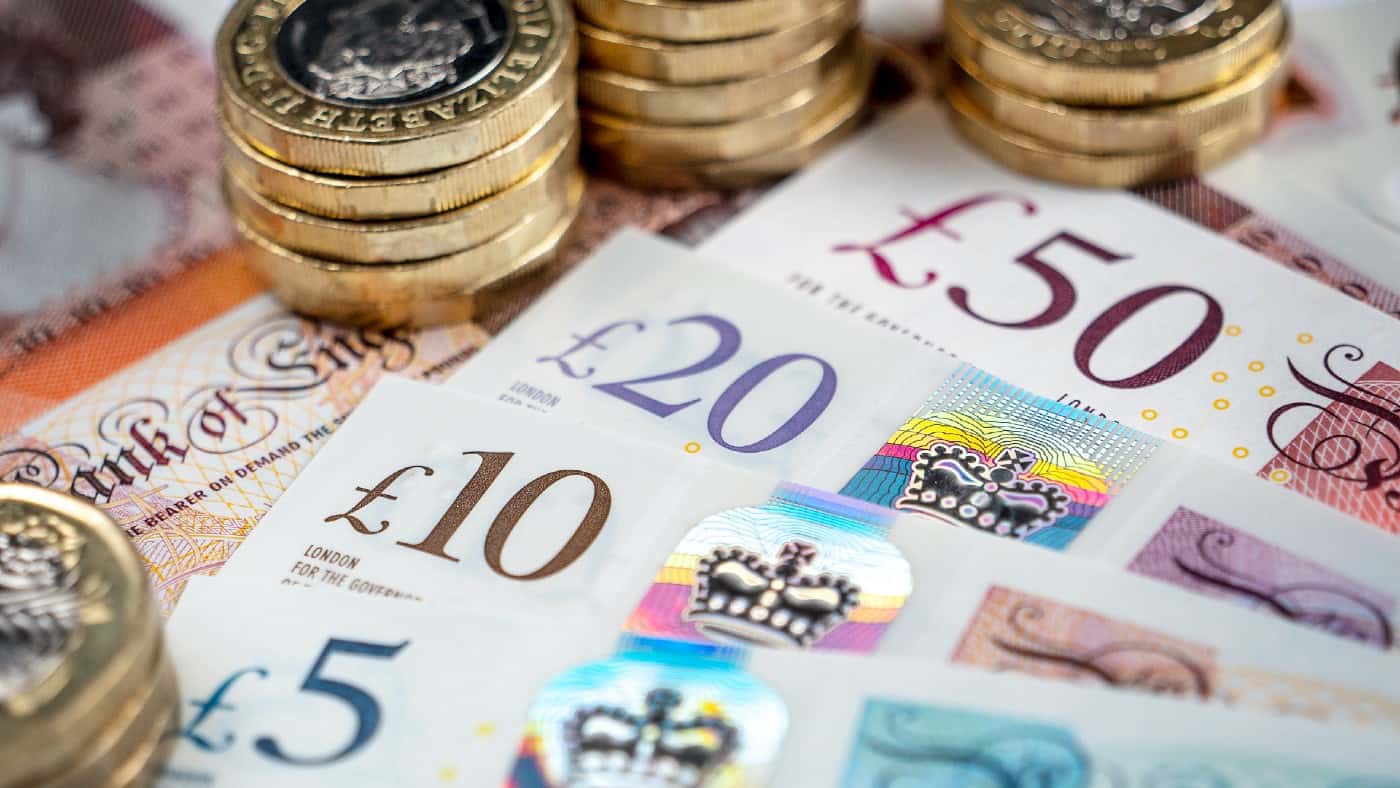
Close-up of British bank notes

Image source: Getty Images

Setting up additional income streams without having a second job could be a positive thing when it comes to personal finance. If I wanted to build a second income, I would aim to do so through investing in shares.

I think that could be lucrative: indeed, I think I might be able to hit a £500 monthly income target by investing £25 each week. But that is because, as a long-term investor, my timeframe stretches to decades not just years or months.

Even with a shorter timeframe, I think I could still aim to build up a more modest second income through this approach. Here’s how.

The basics

Shares are like a tiny sliver of a company. In this case I am not thinking about small companies like a local chemist or a car hire centre. Instead, my sights are set on the sorts of blue-chip businesses that sit in the benchmark FTSE 100 index of leading shares, or the smaller firms in the FTSE 250 index.

What I hope is that, by owning even a very minor piece of such firms, I can benefit from their business success when they pay out dividends.

I might make some bad choices or have unfortunate luck along the way, so I would invest in a range of companies to help reduce my risk.

As my focus in building a second income is dividends, I would also look not only for great businesses but for great businesses that look likely to share excess cash with shareholders.

Google parent Alphabet, for example, is massively profitable – but does not currently pay a dividend.

By contrast, Vodafone has a dividend yield of 9.6%. That means that, for every £100 I put into its shares today, I would hopefully earn £9.60 annually in dividends. That is, as long as the dividends stay at the current level (which is never guaranteed and one reason I am very careful when choosing the shares to buy).

Working towards a target

I could take any such dividends out as cash to give me a second income.

Imagine I earn an average yield of 8%. Investing £25 a week like that, I would already be earning £10 per week on average in dividends after five years.

But while that would be welcome, it is a long way off my second income target!

The power of compounding

That is why, taking the long-term view, I would compound my dividends. That simply means reinvesting them in buying more shares.

Imagine I put the same amount away each week in identical shares to my above example, but compounded the dividends. After five years, my portfolio would be worth £7,900 and would generate an annual second income of £632.

But what if I could manage a higher average dividend yield, of 10%?

In that case, after 18 years of investing £25 weekly, my Stocks and Shares ISA would be throwing off £500 per month on average in dividends.

Finding high-quality shares that yield 10% is not easy. It takes time, effort, and research. But if I could manage to do it, my second income goal could come closer into view!


Suzanne Frey, an executive at Alphabet, is a member of The Motley Fool’s board of directors. C Ruane has positions in Vodafone Group Public. The Motley Fool UK has recommended Alphabet and Vodafone Group Public. Views expressed on the companies mentioned in this article are those of the writer and therefore may differ from the official recommendations we make in our subscription services such as Share Advisor, Hidden Winners and Pro. Here at The Motley Fool we believe that considering a diverse range of insights makes us better investors.

More on Investing Articles

Man writing 'now' having crossed out 'later', 'tomorrow' and 'next week'
Investing Articles

The best time to buy stocks? It might be right now

Short-term issues that delay long-term trends create opportunities to buy stocks. And that could be happening right now with a…

Read more »

Queen Street, one of Cardiff's main shopping streets, busy with Saturday shoppers.
Investing Articles

Here’s why Next stock rose 5% and topped the FTSE 100 today

Next was the leading FTSE 100 stock today, rising 5%. Our writer takes a look at why and asks if…

Read more »

Renewable energies concept collage
Investing Articles

Up 458% in a year, could the Ceres Power share price go even higher?

Christopher Ruane reviews some highs and lows of the Ceres Power share price over the years and wonders whether the…

Read more »

Rolls-Royce's Pearl 10X engine series
Investing Articles

Are the glory days over for Rolls-Royce shares?

Rolls-Royce shares have soared in recent years. Lately, though, they have taken a tumble. Could there be worse still to…

Read more »

Group of friends meet up in a pub
Investing Articles

Are ‘66% off’ Diageo shares a once-in-a-decade opportunity?

Diageo shares have taken another hit in the early weeks of 2026. Are we looking at a massive bargain or…

Read more »

Investing Articles

Meet the UK stock under £1.50 smashing Rolls-Royce shares over the past year

While Rolls-Royce shares get all the attention, this under-the-radar trust has quietly made investors a fortune. But is it still…

Read more »

UK financial background: share prices and stock graph overlaid on an image of the Union Jack
Investing Articles

Down 19%, the red lights are flashing for Barclays shares!

Barclays shares have fallen almost a fifth in value as the Middle East war has intensified. Royston Wild argues that…

Read more »

Aviva logo on glass meeting room door
Investing Articles

After falling another 5%, are Aviva shares too cheap to ignore?

£10,000 invested in Aviva shares five years ago would have grown 50% by now. But what might the future hold,…

Read more »