Latest figures (March 2023) from HMRC reveal that £725.9bn’s been invested in Stocks and Shares ISAs. Although this sounds like a lot, it’s only a quarter of the market value of Nivdia. But it’s definitely my preferred approach to investing in the UK stock market. That’s because any capital gains generated using an ISA — and all income received – are free of tax.
Please note that tax treatment depends on the individual circumstances of each client and may be subject to change in future. The content in this article is provided for information purposes only. It is not intended to be, neither does it constitute, any form of tax advice. Readers are responsible for carrying out their own due diligence and for obtaining professional advice before making any investment decisions.
The most that can be invested each year is £20,000. But what sort of return could this achieve?
A dream scenario
According to AJ Bell, when the final dividends for the year are confirmed, it looks as though the FTSE 100 will have yielded 3.6%, in 2024. If this level of return could be achieved for 25 years, and £20,000 was put into an ISA each year, an investor would have £817,862 at their disposal after a quarter of a century.
In year 26, this would generate income of £29,443. Alternatively, drawing down 5% of this pot each year would release £40,893.
This assumes all dividends are reinvested, a process known as compounding. It’s been described as the ‘eighth wonder of the world’, as well as mankind’s greatest invention. It certainly always gets good press.
Something more realistic
However, I don’t think many people are in a position to invest the full amount each year. Even so, a one-off lump-sum of £20,000 would still grow to £48,420 over the same period, with a 3.6% annual return.
Both these scenarios assume no capital growth (or losses). And it goes without saying that dividends cannot be guaranteed. However, it does show the potential benefits of taking a long-term view. Billionaire investor Warren Buffett’s been at it for 83 years, and he’s reckoned to be worth over $140bn!
Building blocks
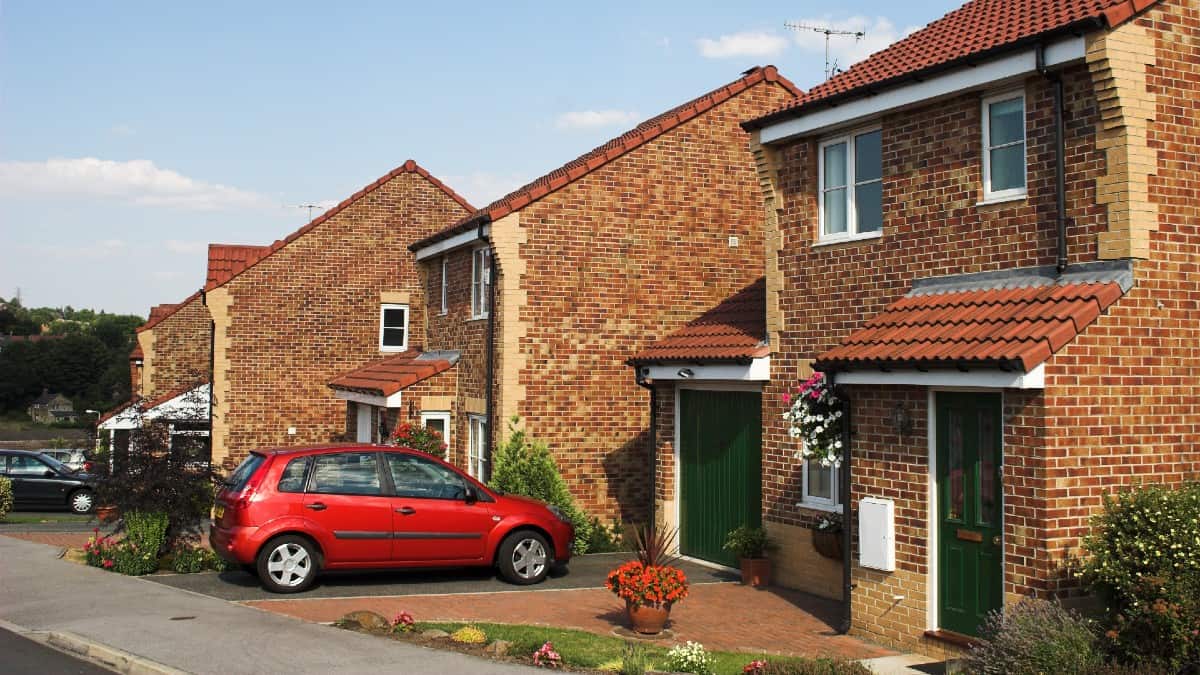
History tells us that many industries fall in and out of favour. But looking ahead 25 years, I think housebuilding stocks will still be around. After all, everyone needs somewhere to live.
Taylor Wimpey‘s (LSE:TW.) a FTSE 100 builder that has an excellent reputation for paying generous dividends. Although not yet confirmed, it looks as though it’ll return 9.6p to shareholders in respect of its 2024 financial year. If this proves correct, it implies a forward yield of 8.5% (17 January).
However, for the company’s dividend to be sustainable there needs to be a recovery in the housing market. And its latest trading update, suggests this could be happening. At 31 December, its order book was £1.995bn, an increase of £223m from a year earlier. It also reported a lower cancellation rate and an increase in enquiries. In addition, it has plenty of land (79,000 plots) on which to build.
But the industry faces its challenges. Recent market turbulence has put doubt on whether the Bank of England will cut interest rates as fast as previously predicted. And the latest UK economic data’s been disappointing, which could affect consumer confidence.
However, the company’s strong balance sheet (it has very little debt) puts it in a good position to take advantage of a recovery.
I won’t invest as I already have a position in peer Persimmon and I don’t want two shares in my ISA from the same sector, especially with very similar operating models. But I believe it’s worth investors considering.