FTSE 100 shares that could benefit from the 2024 UK budget

Stephen Wright thinks Lloyds and NatWest are among the FTSE 100 shares that stand to benefit from a reduction in National Insurance.

| More on:

The content of this article was relevant at the time of publishing. Circumstances change continuously and caution should therefore be exercised when relying upon any content contained within this article.

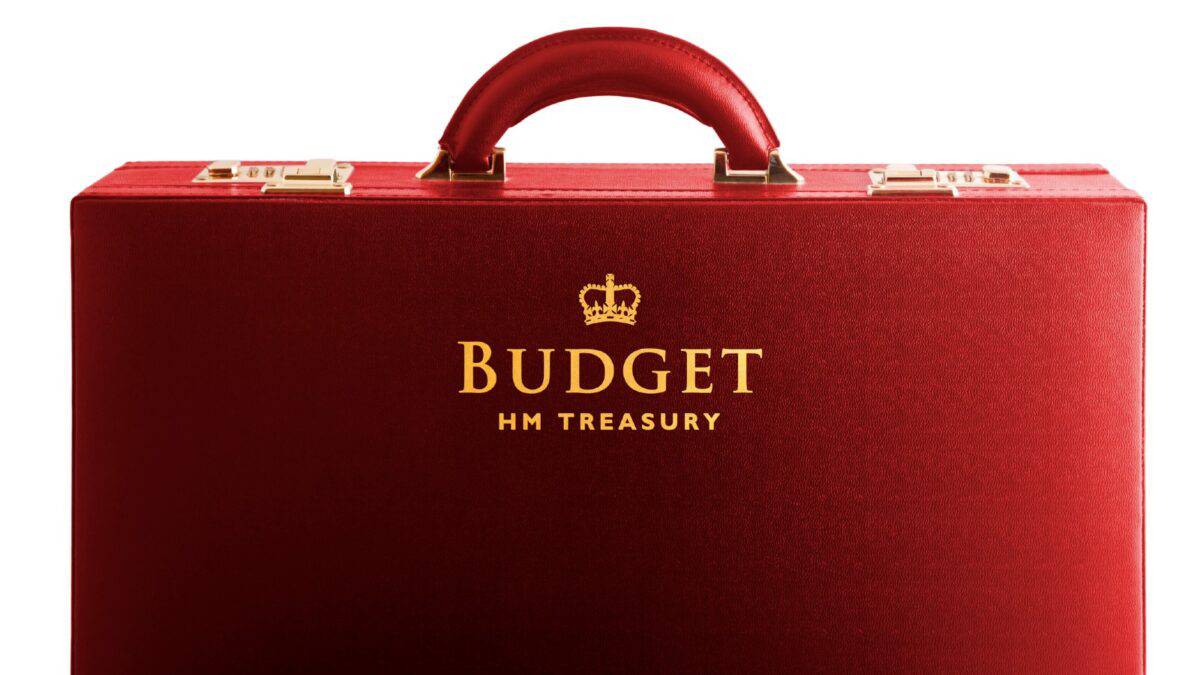
Red briefcase with the words Budget HM Treasury embossed in gold

Image source: Getty Images

You’re reading a free article with opinions that may differ from The Motley Fool’s Premium Investing Services. Become a Motley Fool member today to get instant access to our top analyst recommendations, in-depth research, investing resources, and more. Learn More.

Jeremy Hunt is widely expected to unveil a reduction in National Insurance as part of the 2024 budget. And I think that could be good news for a couple of FTSE 100 shares.

The two I have in mind are Lloyds (LSE:LLOY) and NatWest (LSE:NWG). Both have significant exposure to consumer lending and I think the tax break should provide a boost here.

National Insurance

A 2p reduction in National Insurance is expected to save the average UK earner £450 a year. And there are two reasons I think the banks stand to benefit from this.

One is a rather depressing reason. While an extra £450 might boost people’s spending power for discretionary purchases, it also puts them in a better position to service their debts.

The other reason is related – it increases borrowing power. More disposable income makes people better candidates for loans, allowing banks to increase their loan books.

From the perspective of banks like Lloyds and NatWest, both of these are positives. It might not be the intended outcome, but I think it’s going to be an inevitable consequence.

Lending

With no investment banking divisions, both Lloyds and NatWest rely heavily on consumer lending for profits. And higher interest rates allowed them to earn impressive margins.

For Lloyds though, the impact of this was limited to some extent by a reduction in the size of its loan book. This fell from £455bn at the start of the year to £450bn by the end.

The reverse was true of NatWest though. The bank’s loan book actually expanded, driven by significantly higher consumer lending. 

But this came at a cost of slightly lower margins. Where Lloyds managed a spread of 2.98%, NatWest had to settle for 2.86%.

In each case though, consumers being in a stronger position should help banks increase their lending. And this is especially important in an environment where interest rates are high.

Default risk

Higher interest rates typically allow banks to maintain higher margins. But that comes at the cost of an increased risk of loan defaults.

At the end of 2023, Lloyds had set aside £4.3bn for loan losses – capital the bank would rather be using to generate profits. And NatWest recorded loan impairments of £2.7bn during the year.

Having more cash should put consumers in a better position when it comes to paying their debts. This should be good both in terms of loan loss provisions and impairments.

Budget winners?

A tax cut that allows people to retain more of their income sounds like something that should boost consumer spending. And it may well do this. 

In my view, it’s also good news for the banks. Before people can get stuck into their discretionary spending, they have to meet their financial obligations.

That’s why I think Lloyds and NatWest stand to benefit from a reduction in National Insurance. It might not be the most exciting idea, but it’s what seems likely to me.


Stephen Wright has no position in any of the shares mentioned. The Motley Fool UK has recommended Lloyds Banking Group Plc. Views expressed on the companies mentioned in this article are those of the writer and therefore may differ from the official recommendations we make in our subscription services such as Share Advisor, Hidden Winners and Pro. Here at The Motley Fool we believe that considering a diverse range of insights makes us better investors.

More on Investing Articles

Young Caucasian man making doubtful face at camera
Dividend Shares

Will the Diageo share price crash again in 2026?

The Diageo share price has crashed 35.6% over one year, making it one of the FTSE 100's worst performers in…

Read more »

Investing Articles

Is Alphabet still one of the best shares to buy heading into 2026?

The best time to buy shares is when other investors are seeing risks. Is that the case with Google’s parent…

Read more »

Investing Articles

Could the Barclays share price be the FTSE 100’s big winner in 2026?

With OpenAI and SpaceX considering listing on the stock market, could investment banking revenues push the Barclays share price higher…

Read more »

Investing Articles

Will the Nvidia share price crash in 2026? Here are the risks investors can’t ignore

Is Nvidia’s share price in danger in 2026? Stephen Wright outlines the risks – and why some might not be…

Read more »

Middle-aged white man pulling an aggrieved face while looking at a screen
Growth Shares

I asked ChatGPT how much £10,000 invested in Lloyds shares 5 years ago is worth today? But it wasn’t very helpful…

Although often impressive, artificial intelligence has its flaws. James Beard found this out when he used it to try and…

Read more »

Portrait of pensive bearded senior looking on screen of laptop sitting at table with coffee cup.
Investing Articles

Did ChatGPT give me the best FTSE stocks to buy 1 year ago?

ChatGPT can do lots of great stuff, but is it actually any good at identifying winning stocks from the FTSE…

Read more »

Surprised Black girl holding teddy bear toy on Christmas
Investing Articles

Who will be next year’s FTSE 100 Christmas cracker?

As we approach Christmas 2025, our writer identifies the FTSE 100’s star performer this year. But who will be number…

Read more »

Businessman with tablet, waiting at the train station platform
Investing Articles

I asked ChatGPT for an 8%-yielding passive income portfolio of dividend shares and it said…

Mark Hartley tested artificial intelligence to see if it understood how to build an income portfolio from dividend shares. He…

Read more »