Zero savings at 35? I’d build wealth like Warren Buffett!

How has Warren Buffett created wealth? Christopher Ruane looks at three of his investing principles — and explains how he’d use them.

The content of this article was relevant at the time of publishing. Circumstances change continuously and caution should therefore be exercised when relying upon any content contained within this article.

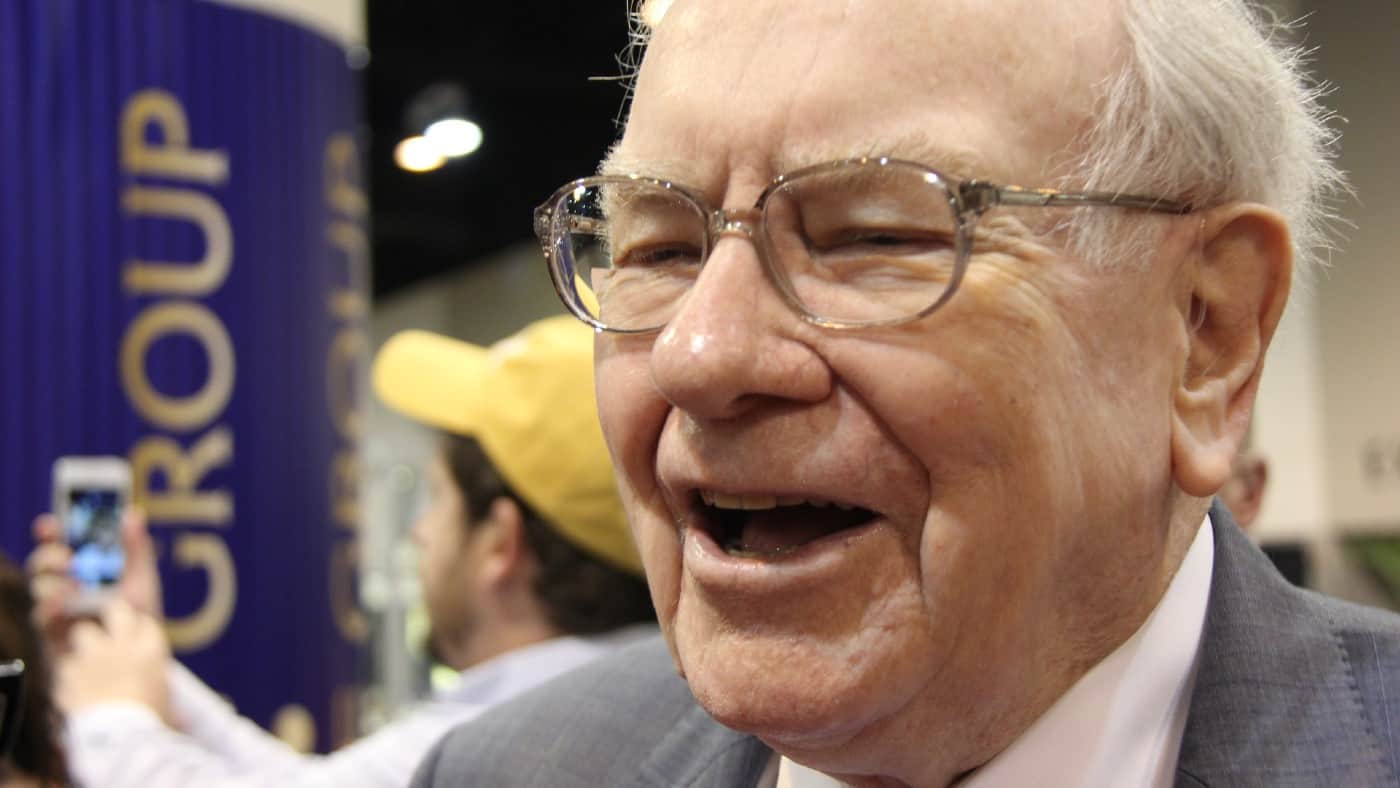
Buffett at the BRK AGM

Image source: The Motley Fool

You’re reading a free article with opinions that may differ from The Motley Fool’s Premium Investing Services. Become a Motley Fool member today to get instant access to our top analyst recommendations, in-depth research, investing resources, and more. Learn More.

While billionaires such as investor Warren Buffett may be rolling in cash, many people are not. Although he was born into a well-off family, Buffett is self-made. His financial success is the result of applying some straightforward investment principles across many years.

His career shows that a long-term timeframe can help investment returns. So if I was in my thirties and had no savings, I believe following these Buffett principles could still help me build wealth. Here are three of them.

Simple not complicated

Some people have the idea that building wealth must involve investing in some very complex businesses.

Not Buffett. He sticks to what he calls his circle of competence – areas and industries he understands. I think doing the same could put me in a better position to assess whether a company has promising prospects and how attractive its share price is.

Buffett also tends to invest in industries that have fairly straightforward, well-proven business models such as retail, insurance and railways. That sets him apart from some investors who put their money into firms that lack transparency and rely on financial engineering.

Conviction investing

Buffett passes a lot of investment opportunities by. In fact, over the course of his long career, I reckon he has passed over thousands. That is because he is what I would term a conviction investor. He does not buy shares in companies he simply thinks could do well. He does not invest based on a hunch, or a good feeling about management.

Instead, he waits until he feels very confident a business is a great investment. That allows him a margin of error compared to investing in companies he thinks are merely good.

By waiting for those truly great investment opportunities, Buffett has been able to build huge wealth. Even the ‘Sage of Omaha’ is not always right though, so he diversifies across a range of shares. As a private investor, I think that is a wise risk-management principle for me to adopt too.

Warren Buffett and dividends

A lot of investors spend time considering whether they should focus on growth or income shares. Buffett invests in both. He certainly recognises the lucrative potential of dividends and some of his holdings generate large amounts of cash. But he also invests in shares that have a low dividend yield, such as Apple.

He recognises that building wealth can come from earning dividends, profiting from share price growth – or both. So although Buffett owns income shares, dividends are not a prerequisite for him to invest.

I think that is a useful lesson for me. If I wanted to build wealth, dividends could help me do it – but so could share price growth. Rather than restricting myself to only one style of investing, I would keep the Buffett approach in mind and focus on my long-term goal of building wealth.

There is more than one way to skin a cat, after all.

C Ruane has no position in any of the shares mentioned. The Motley Fool UK has recommended Apple. Views expressed on the companies mentioned in this article are those of the writer and therefore may differ from the official recommendations we make in our subscription services such as Share Advisor, Hidden Winners and Pro. Here at The Motley Fool we believe that considering a diverse range of insights makes us better investors.

More on Investing Articles

Young Caucasian man making doubtful face at camera
Dividend Shares

Will the Diageo share price crash again in 2026?

The Diageo share price has crashed 35.6% over one year, making it one of the FTSE 100's worst performers in…

Read more »

Investing Articles

Is Alphabet still one of the best shares to buy heading into 2026?

The best time to buy shares is when other investors are seeing risks. Is that the case with Google’s parent…

Read more »

Investing Articles

Could the Barclays share price be the FTSE 100’s big winner in 2026?

With OpenAI and SpaceX considering listing on the stock market, could investment banking revenues push the Barclays share price higher…

Read more »

Investing Articles

Will the Nvidia share price crash in 2026? Here are the risks investors can’t ignore

Is Nvidia’s share price in danger in 2026? Stephen Wright outlines the risks – and why some might not be…

Read more »

Middle-aged white man pulling an aggrieved face while looking at a screen
Growth Shares

I asked ChatGPT how much £10,000 invested in Lloyds shares 5 years ago is worth today? But it wasn’t very helpful…

Although often impressive, artificial intelligence has its flaws. James Beard found this out when he used it to try and…

Read more »

Portrait of pensive bearded senior looking on screen of laptop sitting at table with coffee cup.
Investing Articles

Did ChatGPT give me the best FTSE stocks to buy 1 year ago?

ChatGPT can do lots of great stuff, but is it actually any good at identifying winning stocks from the FTSE…

Read more »

Surprised Black girl holding teddy bear toy on Christmas
Investing Articles

Who will be next year’s FTSE 100 Christmas cracker?

As we approach Christmas 2025, our writer identifies the FTSE 100’s star performer this year. But who will be number…

Read more »

Businessman with tablet, waiting at the train station platform
Investing Articles

I asked ChatGPT for an 8%-yielding passive income portfolio of dividend shares and it said…

Mark Hartley tested artificial intelligence to see if it understood how to build an income portfolio from dividend shares. He…

Read more »