How I’d target £1,000 per month in passive income

How can we learn about investing for long-term passive income? I think the best way is to examine how the most successful investors are doing it.

The content of this article was relevant at the time of publishing. Circumstances change continuously and caution should therefore be exercised when relying upon any content contained within this article.

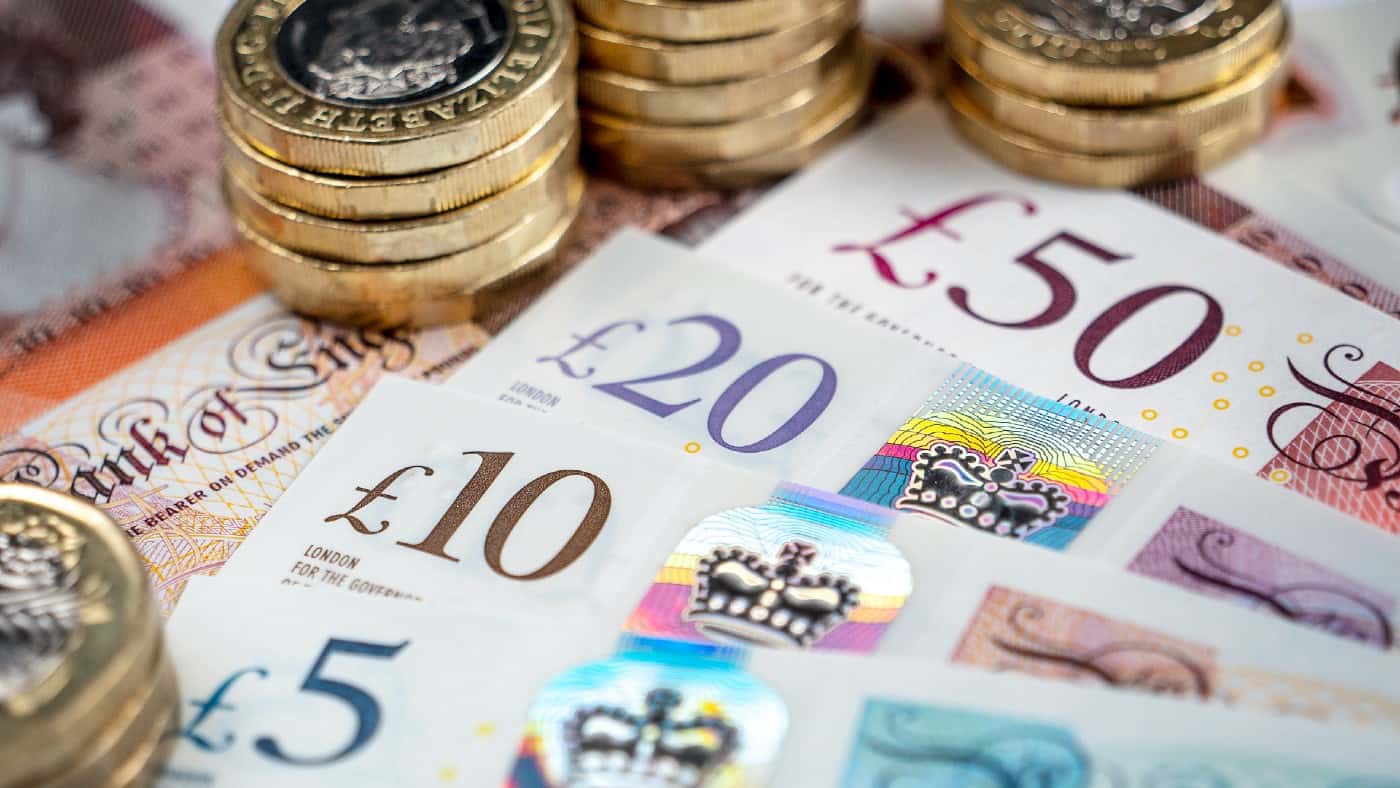
Close-up of British bank notes

Image source: Getty Images

You’re reading a free article with opinions that may differ from The Motley Fool’s Premium Investing Services. Become a Motley Fool member today to get instant access to our top analyst recommendations, in-depth research, investing resources, and more. Learn More.

£1,000 a month in passive income might be stretching ambition. But £12k a year, without having to work for it, is well worth having. So how am I going about targeting my retirement income plans?

There’s one approach I wish I’d tried many years ago. Had I gone for it, it would have easily beaten my actual investment returns over the past few decades.

I’m thinking of Berkshire Hathaway, run by ace investor Warren Buffett. Since he took control in 1965, Berkshire has produced an average annual return of 20%.

Beating the index

That’s a phenomenal result, soundly beating the 10.5% the S&P 500 averaged over the same period. But what kind of wealth could it have generated?

If I’d started investing 20 years ago with just £100 per month, that kind of return would have left me with almost a quarter of a million pounds today. If I retired and put that into a relatively safe investment trust paying 5% dividends, my £1,000 per month would be sewn up.

It’s worth stressing that a past performance like that is definitely no guarantee of any future repetition. For one thing, it was helped by few people knowing who Buffett was in the early years. A lot of future hope will already be built into the Berkshire share price today.

ISA millionaires

What about a more UK-focused angle? AJ Bell, Interactive Investor, and Hargreaves Lansdown are the three biggest investment services providers in the UK. Between them, they reckon the number of ISA millionaires in the UK has risen by more than 800 in the past 12 months.

An investor with more than a million in their Stocks and Shares ISA can be enjoying a lot more than £1,000 per month in passive income. What are their secrets?

There’s nothing mysterious. Success for most of them has come from using as much of the annual ISA allowance as possible, and investing it in a portfolio with a decent amount of diversification. And then just giving it time.

Get rich… slowly

So often when I speak to newcomers to stock market investing, they seem to be looking for ways to get rich quickly. But for these successful millionaires, it’s all been about getting rich slowly.

What do ISA millionaires actually buy in their portfolios? It’s mostly individual equities and investment trusts. Non-millionaires put a significant amount of cash into managed funds, which the millionaires avoid. There’s a lesson there, for sure.

So what’s the bottom line for me? I’m not going to try to suggest the best stock picks for long-term passive income. I’d get some right, I’d get some wrong. And the best to hold will surely change over the years anyway.

All in the approach

In fact, one of the hardest things is knowing what to sell rather than what to buy. And getting that right is a key skill of the best investors.

No, for me, it’s all about the approach. Whether we follow Buffett or UK ISA millionaires, there’s a consistent theme. Invest as much and as often as possible. Diversify across really great companies, buying when prices are fair. And then give it time.


Alan Oscroft has no position in any of the shares mentioned. The Motley Fool UK has recommended Hargreaves Lansdown. Views expressed on the companies mentioned in this article are those of the writer and therefore may differ from the official recommendations we make in our subscription services such as Share Advisor, Hidden Winners and Pro. Here at The Motley Fool we believe that considering a diverse range of insights makes us better investors.

More on Investing Articles

Young Caucasian man making doubtful face at camera
Dividend Shares

Will the Diageo share price crash again in 2026?

The Diageo share price has crashed 35.6% over one year, making it one of the FTSE 100's worst performers in…

Read more »

Investing Articles

Is Alphabet still one of the best shares to buy heading into 2026?

The best time to buy shares is when other investors are seeing risks. Is that the case with Google’s parent…

Read more »

Investing Articles

Could the Barclays share price be the FTSE 100’s big winner in 2026?

With OpenAI and SpaceX considering listing on the stock market, could investment banking revenues push the Barclays share price higher…

Read more »

Investing Articles

Will the Nvidia share price crash in 2026? Here are the risks investors can’t ignore

Is Nvidia’s share price in danger in 2026? Stephen Wright outlines the risks – and why some might not be…

Read more »

Middle-aged white man pulling an aggrieved face while looking at a screen
Growth Shares

I asked ChatGPT how much £10,000 invested in Lloyds shares 5 years ago is worth today? But it wasn’t very helpful…

Although often impressive, artificial intelligence has its flaws. James Beard found this out when he used it to try and…

Read more »

Portrait of pensive bearded senior looking on screen of laptop sitting at table with coffee cup.
Investing Articles

Did ChatGPT give me the best FTSE stocks to buy 1 year ago?

ChatGPT can do lots of great stuff, but is it actually any good at identifying winning stocks from the FTSE…

Read more »

Surprised Black girl holding teddy bear toy on Christmas
Investing Articles

Who will be next year’s FTSE 100 Christmas cracker?

As we approach Christmas 2025, our writer identifies the FTSE 100’s star performer this year. But who will be number…

Read more »

Businessman with tablet, waiting at the train station platform
Investing Articles

I asked ChatGPT for an 8%-yielding passive income portfolio of dividend shares and it said…

Mark Hartley tested artificial intelligence to see if it understood how to build an income portfolio from dividend shares. He…

Read more »