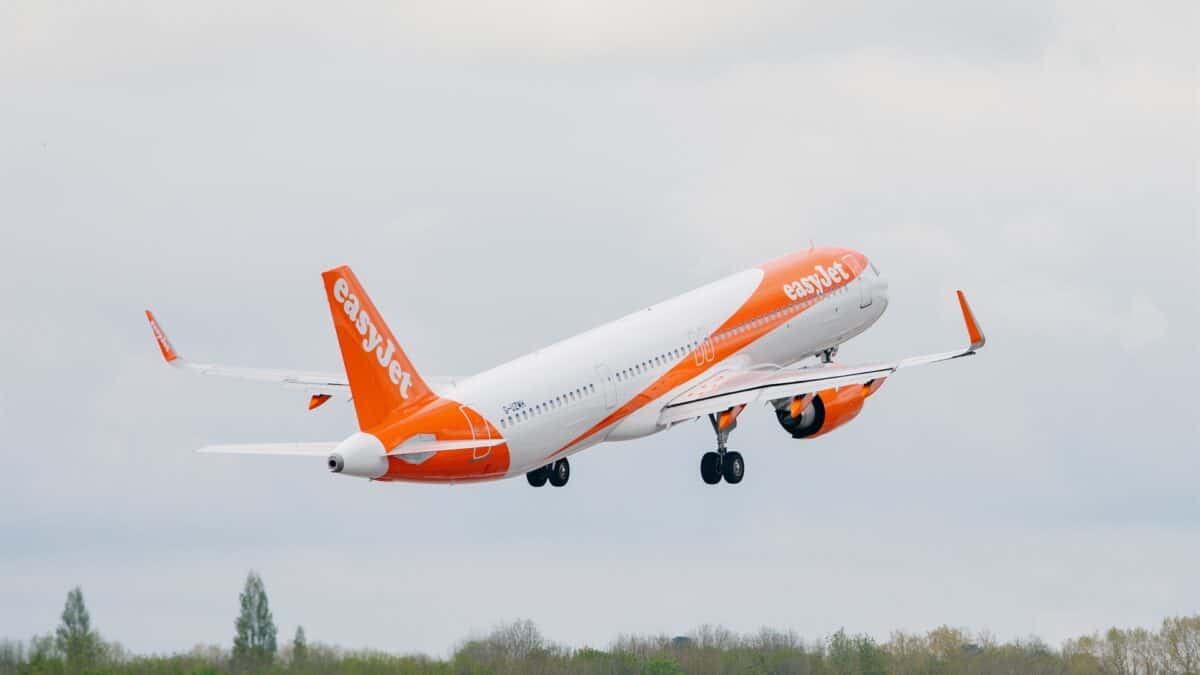
The best stocks to buy often end up being some of the least popular. And in 2026, easyJet (LSE:EZJ) shares certainly seem to have lost a lot of their mojo.
The European low-cost airline and package holiday group has had a rough start to the year, with its shares taking a significant beating following the outbreak of war in the Middle East. So much so that almost a third of its market-cap was wiped out during the first quarter.
Since then, hopes for an eventual peace deal have helped easyJet shares partially bounce back. But what exactly is dragging down the share price? And has it secretly created a buying opportunity for contrarian portfolios?
Inspecting easyJet’s tumble
The sudden and sharp decline of easyJet shares isn’t too difficult to understand. Investor sentiment surrounding the airline industry has tanked in large part due to the sudden rise of oil & gas prices – the prerequisite commodities for making jet fuel.
In other words, the cost of running an airline has increased dramatically, and easyJet’s no exception.
While the business does have some insulation in place thanks to previously hedging some of its expected fuel expenses in 2026, the company’s far from immune. And it’s why, despite having limited route exposure to the Middle East, easyJet shares were nonetheless caught in the investor panic-selling crossfire.
However, this is where things get interesting. While the headwinds of higher fuel costs are undeniably problematic, weak sentiment has dragged the firm’s forward price-to-earnings ratio down to just 5.1 – an extraordinarily cheap valuation.
So could a buying opportunity have been created here?
To buy or not to buy?
The low forward earnings multiple is a fundamentally compelling entry point if peace returns to the Middle East and the price of jet fuel starts to fall back to more sustainable levels. However, if the conflict continues, analyst profit targets for 2026 could be missed, making easyJet’s cheap-looking valuation a trap.
The timing of this uncertainty is also less than ideal. The company makes the bulk of its profits during the peak summer period. So even if the war comes to a close later in the year, trudging through high operating costs during this critical trading period also risks today’s valuation being a trap.
Having said that, the group’s fleet renewal to more fuel-efficient aircraft in 2027 could help lower the financial pressure of jet fuel prices if they remain elevated through wider profit margins.
So where does this leave investors? The honest answer is that the near-term fate of easyJet shares will most likely be determined by the direction of oil prices, making it arguably one of the most binary investment cases in the FTSE 250 today.
Personally, I’m not a fan of coin-flip risk profiles, and that’s why I think investors may be better off looking elsewhere for investment opportunities.