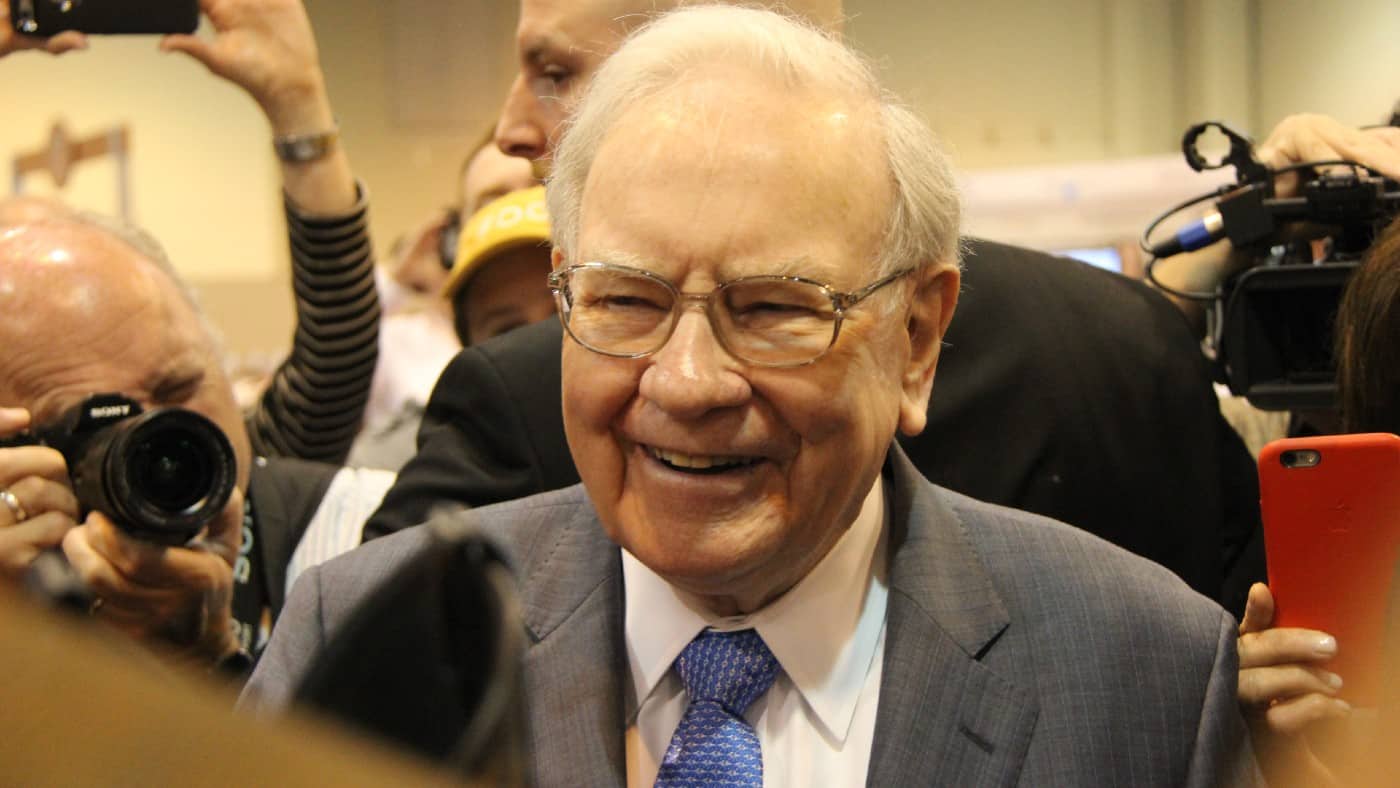
It has been a long time coming, but next week the legendary investor Warren Buffett is due to step down from his day-to-day role as Berkshire Hathaway boss.
Buffett plans to stay on as chairman. Still though, I think the moment is a good one for investors to reflect on what they might learn from one of the most successful stock market wonders of all time.
Taking the long view
An obvious place to start is timeframe. It is no coincidence that Buffett is retiring only after many decades at the helm. He is a believer in the long-term approach to investing. Indeed, he has said his favourite holding period for a share is “forever”.
Buffett’s approach is simple: if you own a stake in a brilliant company you expect to keep getting better, why sell?
Having an honest view of your skills and limitations
Buffett has been a phenomenally successful investor, but he carries it lightly. One notable thing about him throughout his career is that he has not been arrogant. He remains keen to learn.
Many investors end up falling victim to their own hubris. By contrast, Buffett has tried to stick to what he thinks he understands, while being openly self-critical about his mistakes and misunderstandings. That is not always easy to do!
But, as Buffett’s career demonstrates, it can lead to a level of self-awareness that makes for better investment decisions. That is partly because it helps to avoid some costly bad decisions. As an investor, success is not just about making great decisions – it is also about steering clear of bad ones as much as possible.
Focusing on what creates value
Sometimes, Buffett is characterised as out of touch, or having been suited only to a certain period of recent stock market history. That is because he tends to go for fairly sturdy-seeming businesses, often in long-established industries that can sometimes be far from glamorous.
But I think seeing Buffett in that light misunderstands the man whose Apple stake has created tens of billions of pounds’ worth of value for Berkshire over the past decade.
The reality is that he does not care whether a business is cool or trendy. He does care whether it has a business model that can create sustained long-term value.
Buffett in action
His investment in American Express (NYSE: AXP) demonstrates the point. As befits a man whose favourite holding period is forever, Berkshire has owned this stake for many decades already.
It was acquired after the American Express stock price plummeted. Crucially though, that was not because the business was on the skids. Buffett had liked such turnaround situations earlier in his career (Berkshire was an example, as an ailing US-based textile manufacturer) but changed his approach over time.
Instead, American Express had been dragged down by a broader industry scandal that Buffett – correctly – judged was unlikely to harm the firm’s long-term prospects too much.
Any share has risks. Even today, for example, American Express could see profits fall if a weak US economy leads to higher consumer credit defaults. The automotive loan market is currently providing some concerning signals in that regard.
But Amex has a strong brand, large customer base and proven, profitable business model. Exactly what Buffett likes!