Is it time to forget about the Footsie and look to the FTSE 250 for dividend shares?

Our writer considers whether income investors should turn to the UK’s second tier of listed companies when looking for dividend shares.

| More on:

The content of this article was relevant at the time of publishing. Circumstances change continuously and caution should therefore be exercised when relying upon any content contained within this article.

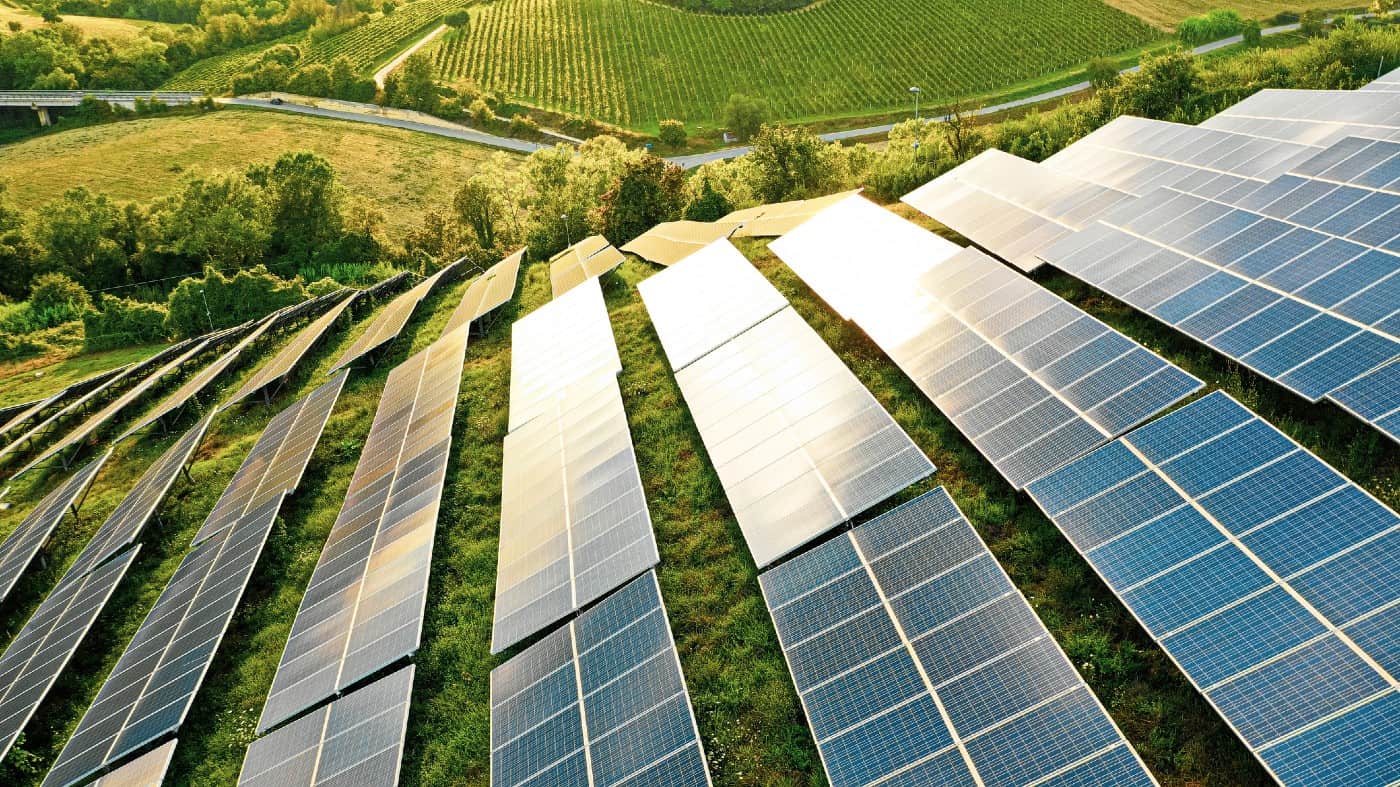
Solar panels fields on the green hills

Image source: Getty Images

You’re reading a free article with opinions that may differ from The Motley Fool’s Premium Investing Services. Become a Motley Fool member today to get instant access to our top analyst recommendations, in-depth research, investing resources, and more. Learn More.

As a fan of dividend shares, I was surprised to learn the FTSE 250 is currently yielding more than the FTSE 100. According to data from the London Stock Exchange, at 28 February, the yield of the UK’s second tier of listed companies was 3.44%, slightly above the Footsie’s 3.38%.

Based on amounts paid over the past 12 months, there are 27 stocks (10.8%) on the index that are presently yielding 7% or more. By contrast, there are only seven on the FTSE 100 offering this level of return.

But although the yield might be better, when it comes to growth, there’s a big variation in performance. From 1 March 2020 to 28 February 2025, the FTSE 100 (with dividends reinvested) increased by 59.9%. Over the same period, the FTSE 250 returned 20.3%.

A ray of sunshine

A disappointing share price performance is one reason why NextEnergy Solar Fund (LSE:NESF), which owns and operates solar PV and energy storage assets, has the second-highest yield on the FTSE 250. Since March 2020, it’s fallen 20%.

Based on its current stock price (21 March), it’s yielding 12.2%.Turn the clock back to September 2022, when the fund’s shares were at their five-year high, the yield was a more modest 5.9%.

However, in cash terms, its dividend is now 22% higher than it was for the year ended 31 March 2020. And with the demand for electricity continuing to rise, as long as the sun shines it should be able to continue to steadily grow its earnings and its dividend. In fact, since listing in 2014, it’s increased its payout every year.

The fund has 101 operating assets spread across the UK (around 85%) and Europe. These are enough to power over 300,000 homes for a year. At 30 September 2024, its portfolio had a remaining weighted asset life of 25 years. In my opinion, a steady stream of earnings therefore seems assured.

Future prospects

Because of what it does, I suspect NextEnergy Solar Fund is unlikely to deliver spectacular growth. Most of its revenue comes from long-term contracts and government subsidies. To increase its asset base significantly, it would probably need to borrow. As a result, its finance costs would rise, offsetting some of the additional income.

Encouragingly, the fund recently consolidated £205m of debt into one facility, at a lower rate of interest.

At the moment, the shares trade at a 28.4% discount to the fund’s net asset value. Although this is common for similar investment vehicles — valuing unquoted assets can be subjective — it’s bigger than average, which could suggest the recent sell-off has been overdone.

However, some of the differential could be explained by investor concerns. If interest rates stay higher for longer, earnings will be impacted. Also, despite increased investment in renewables, energy prices remain high. This could result in political pressure to cut subsidies.

It’s important to remember that dividends are never guaranteed. But with its focus on renewable energy — and its steady and reliable earnings stream — I think NextEnergy Solar Fund is well positioned to maintain its above-average payout. For this reason, I think it could make an excellent dividend share for income investors to consider.


James Beard has no position in any of the shares mentioned. The Motley Fool UK has no position in any of the shares mentioned. Views expressed on the companies mentioned in this article are those of the writer and therefore may differ from the official recommendations we make in our subscription services such as Share Advisor, Hidden Winners and Pro. Here at The Motley Fool we believe that considering a diverse range of insights makes us better investors.

More on Investing Articles

Investing Articles

Is Alphabet still one of the best shares to buy heading into 2026?

The best time to buy shares is when other investors are seeing risks. Is that the case with Google’s parent…

Read more »

Investing Articles

Could the Barclays share price be the FTSE 100’s big winner in 2026?

With OpenAI and SpaceX considering listing on the stock market, could investment banking revenues push the Barclays share price higher…

Read more »

Investing Articles

Will the Nvidia share price crash in 2026? Here are the risks investors can’t ignore

Is Nvidia’s share price in danger in 2026? Stephen Wright outlines the risks – and why some might not be…

Read more »

Middle-aged white man pulling an aggrieved face while looking at a screen
Growth Shares

I asked ChatGPT how much £10,000 invested in Lloyds shares 5 years ago is worth today? But it wasn’t very helpful…

Although often impressive, artificial intelligence has its flaws. James Beard found this out when he used it to try and…

Read more »

Portrait of pensive bearded senior looking on screen of laptop sitting at table with coffee cup.
Investing Articles

Did ChatGPT give me the best FTSE stocks to buy 1 year ago?

ChatGPT can do lots of great stuff, but is it actually any good at identifying winning stocks from the FTSE…

Read more »

Surprised Black girl holding teddy bear toy on Christmas
Investing Articles

Who will be next year’s FTSE 100 Christmas cracker?

As we approach Christmas 2025, our writer identifies the FTSE 100’s star performer this year. But who will be number…

Read more »

Businessman with tablet, waiting at the train station platform
Investing Articles

I asked ChatGPT for an 8%-yielding passive income portfolio of dividend shares and it said…

Mark Hartley tested artificial intelligence to see if it understood how to build an income portfolio from dividend shares. He…

Read more »

Female student sitting at the steps and using laptop
Investing Articles

How much do you need in an ISA to target £8,333 a month of passive income?

Our writer explores a potential route to earning double what is today considered a comfortable retirement and all tax-free inside…

Read more »