
It can be quite daunting when first considering the stock market as a way to generate a second income. There is a lot of jargon to get one’s head around. But it is not quite as complex as it might first seem.
With this in mind, here are a few simple steps a new investor might follow to target sizeable dividend income.
Choose the right account
To start, there obviously needs to be an account to buy stocks in. This will be opened through a brokerage, which is a company that acts as an intermediary to facilitate the buying and selling of stocks.
There are a fair few about. Some legacy platforms like Hargreaves Lansdown still charge customers per trade. However, there are many new apps that allow free trading. To be fair, Hargreaves Lansdown has a wealth of resources for new investors, whereas the no-frills free-trade apps are very much DIY. It depends on preference.
The investing account someone would generally start with in the UK is a Stocks and Shares ISA. This marvellous vehicle enables a portfolio to grow more rapidly because there are no tax liabilities on income and returns (the annual contribution limit is £20,000).
Please note that tax treatment depends on the individual circumstances of each client and may be subject to change in future. The content in this article is provided for information purposes only. It is not intended to be, neither does it constitute, any form of tax advice. Readers are responsible for carrying out their own due diligence and for obtaining professional advice before making any investment decisions.
Consider quality high-yield dividend stocks
As the aim is to start earning a second income, the next focus will be on looking for shares that pay dividends. These are semi-regular payments made by companies to shareholders, usually from profits. They’re mostly paid twice or four times a year.
The stock’s dividend yield will determine how much passive income is on offer. For example, insurance and asset management firm Legal & General (LSE: LGEN) currently carries a mighty 8.9% yield.
In other words, an investor could put £2,000 into this FTSE 100 stock and hope to receive £178 back each year in dividends. However it could be less than this (if the firm cuts the payout, which is always possible) or ideally more.
Personally, I think Legal & General is one of the best income shares around, which is why I own it in my own portfolio. The company has a strong brand, large customer base, and excellent track record of increasing its payout.
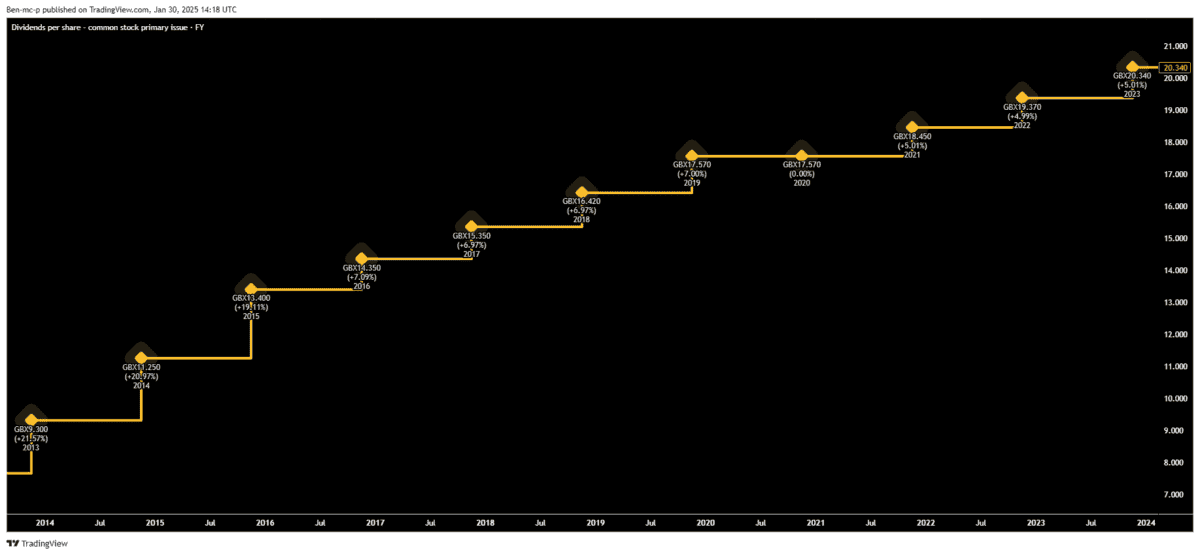
A well as opportunities though, risks can arise from the group’s massive $1trn+ assets under management. It is exposed to stock market downturns, which can quickly reduce the value of its investment portfolios, as well as shifting interest rates that drive fluctuations in bond prices. Economic downturns can also negatively impact earnings.
However, for investors looking for high-yield income, I think Legal & General is worth considering for inclusion in a diversified portfolio of quality stocks.
Invest regularly
The keys to building up a sizeable passive income portfolio are time and consistency.
Were someone to invest £750 a month, achieving an 8% average return, they’d end up with roughly £275,000 after 15 years. This assumes dividends are reinvested over this time rather than spent.
At this point in the journey, the ISA portfolio would be generating annual income of approximately £20,000. It could then be enjoyed or reinvested for longer to target an even greater figure.