Why the Shell share price surged 57% in 2023

Stephen Wright thinks different approaches to the energy transition is why the Shell share price rose in 2023 as BP’s faltered.

| More on:

The content of this article was relevant at the time of publishing. Circumstances change continuously and caution should therefore be exercised when relying upon any content contained within this article.

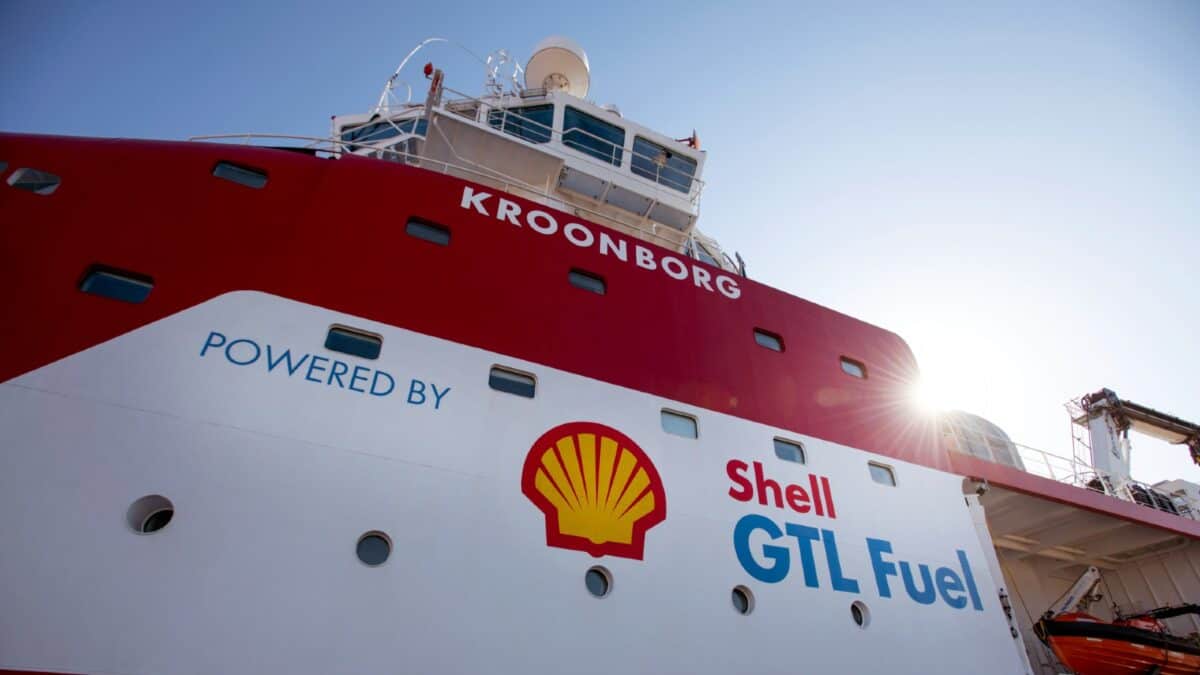
Side of boat fuelled by gas to liquids, advertising Shell GTL Fuel

Image source: Olaf Kraak via Shell plc

You’re reading a free article with opinions that may differ from The Motley Fool’s Premium Investing Services. Become a Motley Fool member today to get instant access to our top analyst recommendations, in-depth research, investing resources, and more. Learn More.

As BP (LSE:BP) stock fell in 2023, Shell (LSE:SHEL) saw its share price rise. It finished the year 57% higher than it started. 

Strong oil prices helped, but this doesn’t tell the whole story. So why did Shell do so well as BP faltered?

Energy transition

The main reason, in my view, is Shell’s approach to the energy transition worked better than BP’s. The rise of renewables is arguably the biggest challenge for oil companies right now.

Broadly speaking, there are two main strategies. One involves trying to shift to a renewables portfolio by investing in wind and solar and the other involves sticking to hydrocarbons.

Neither is without risk though. Investing in wind and solar projects is an expensive business, but the long-term outlook for hydrocarbons is much less clear.

This means there’s something of a dilemma for oil companies. And BP and Shell elected to go in different directions in 2023. 

BP decided to go after renewables, investing heavily in offshore wind generation in the US. Shell, on the other hand, decided to stay away from these projects and concentrate on hydrocarbons.

Staying out of trouble

For 2023, at least, it was Shell who had the right approach. BP’s investments in US wind caused significant problems for the company and its shareholders.

High inflation and increased interest rates caused the cost of building offshore wind farms to rise to the point that it became no longer viable. As a result, BP had to scrap the project.

This resulted in an impairment charge of around $540m. By staying out of these kinds of projects, Shell managed to avoid the same problems.

Instead, Shell elected to return its capital to shareholders. As well as maintaining its dividend, the company spent around half of its free cash flow on share buybacks.

As a result, the outstanding share count fell by around 5%. Understandably, that proved to be popular with investors at a time when BP was running into problems.

Sustainability?

Shell clearly had the better approach for 2023, when inflation was high and interest rates were rising. But whether this will prove to be the right strategy for the long term is another question.

Inflation is starting to fall in both the UK and the US and there’s speculation that interest rates might be about to come down. That could change the economics for renewable energy projects.

There’s also a real danger of increased regulatory pressure on fossil fuels companies. And with this not being under the company’s control, I think it’s a risk investors ought to take seriously.

If pressed, I’d say I prefer Shell’s strategy. I think focusing on the areas where the business has better experience is a good move and it looks as though the market has the same view.

It’s perhaps worth noting that US oil majors ExxonMobil and Chevron have been taking the same approach. That doesn’t mean it’s the right plan, but it’s the one that makes the most sense to investors like me.


Stephen Wright has no position in any of the shares mentioned. The Motley Fool UK has no position in any of the shares mentioned. Views expressed on the companies mentioned in this article are those of the writer and therefore may differ from the official recommendations we make in our subscription services such as Share Advisor, Hidden Winners and Pro. Here at The Motley Fool we believe that considering a diverse range of insights makes us better investors.

More on Investing Articles

Investing Articles

The key number that could signal a recovery for the Greggs share price in 2026

The Greggs share price has crashed in 2025, but is the company facing serious long-term challenges or are its issues…

Read more »

Rolls-Royce's Pearl 10X engine series
Investing Articles

Can the Rolls-Royce share price hit £16 in 2026? Here’s what the experts think

The Rolls-Royce share price has been unstoppable. Can AI data centres and higher defence spending keep the momentum going in…

Read more »

Businessman with tablet, waiting at the train station platform
Investing Articles

Up 150% in 5 years! What’s going on with the Lloyds share price?

The Lloyds share price has had a strong five years. Our writer sees reasons to think it could go even…

Read more »

Investing Articles

Where will Rolls-Royce shares go in 2026? Here’s what the experts say!

Rolls-Royce shares delivered a tremendous return for investors in 2025. Analysts expect next year to be positive, but slower.

Read more »

Emma Raducanu for Vodafone billboard animation at Piccadilly Circus, London
Investing Articles

Up 40% this year, can the Vodafone share price keep going?

Vodafone shareholders have been rewarded this year with a dividend increase on top of share price growth. Our writer weighs…

Read more »

Buffett at the BRK AGM
Investing Articles

Here’s why I like Tesco shares, but won’t be buying any!

Drawing inspiration from famed investor Warren Buffett's approach, our writer explains why Tesco shares aren't on his shopping list.

Read more »

Investing For Beginners

If the HSBC share price can clear these hurdles, it could fly in 2026

After a fantastic year, Jon Smith points out some of the potential road bumps for the HSBC share price, including…

Read more »

Investing Articles

I’m thrilled I bought Rolls-Royce shares in 2023. Will I buy more in 2026?

Rolls-Royce has become a superior company, with rising profits, buybacks, and shares now paying a dividend. So is the FTSE…

Read more »