A super safe dividend stock that has been making payments for decades

Sporting a dividend yield of 5.7%, and with a high degree of visibility on future earnings, this stock is on Andrew Mackie’s shopping list.

| More on:

The content of this article was relevant at the time of publishing. Circumstances change continuously and caution should therefore be exercised when relying upon any content contained within this article.

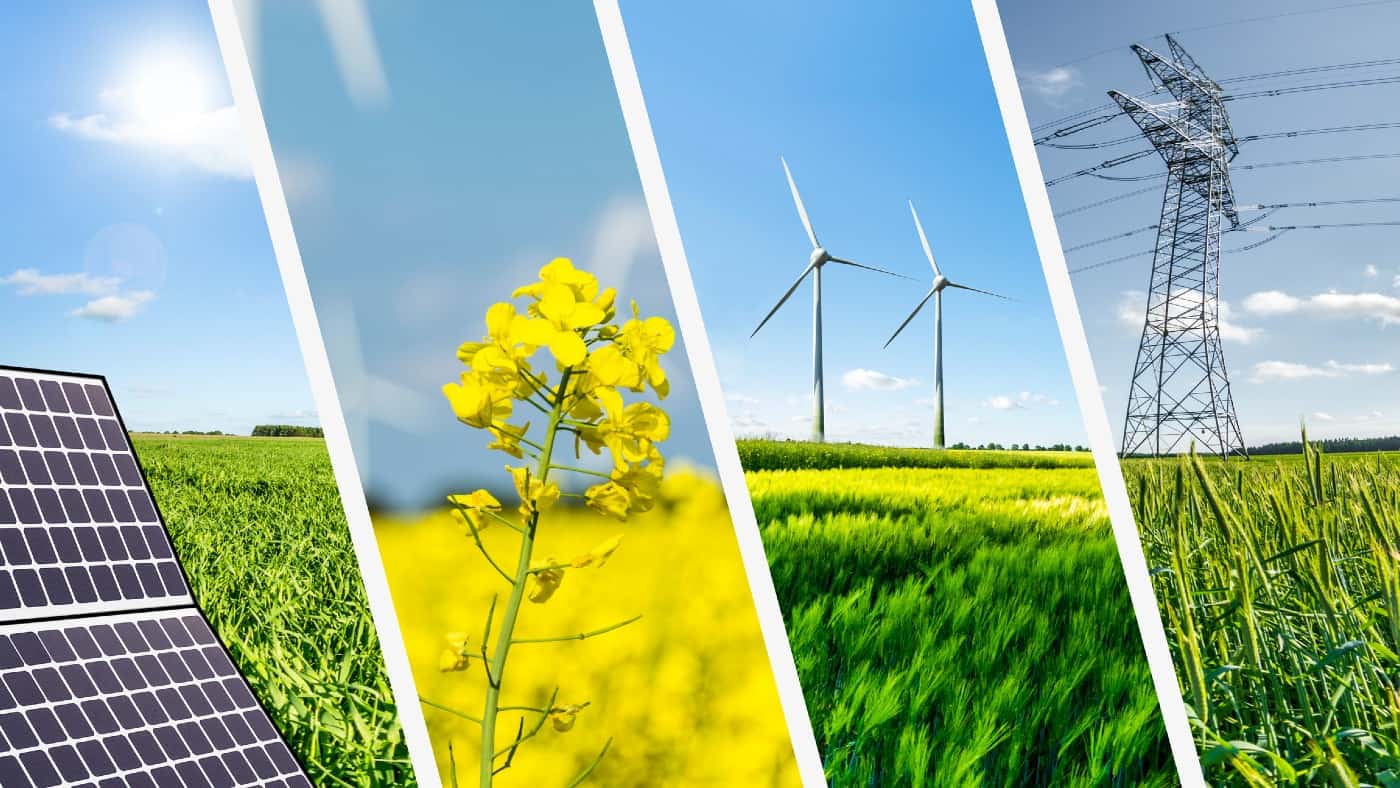
Renewable energies concept collage

Image source: Getty Images

You’re reading a free article with opinions that may differ from The Motley Fool’s Premium Investing Services. Become a Motley Fool member today to get instant access to our top analyst recommendations, in-depth research, investing resources, and more. Learn More.

In these uncertain economic times, I’m hunting for high-quality dividend stocks. For me, quality denotes longevity. What it doesn’t mean is chasing after high yields.

In this regard, one stock stands head and shoulders above other FTSE 100 constituents: National Grid (LSE: NG.).

Dividend champion

Over the past 20 years, it has steadily increased its dividend. Indeed, only once over that timeframe did its annual dividend per share decrease. As a result, its payout is nearly three times what it was back in 2003. Today, it yields 5.7%, comfortably above the average for the FTSE 100.

Of course, no dividend is ever guaranteed. After all, look what happened to the unblemished 50-year record of Shell following Covid. Nevertheless, I do like to use history as a guide to inform me about management’s priorities and likely future intentions.

As a result of its monopoly status, it possesses strong cash generation. Cash flow for the last financial year amounted to £6.4bn. This represents an 11% increase on the prior year.

Despite this, its dividend is only covered 1.3 times by earnings. Normally I look for a ratio of at least two. If this did shrink further, then a dividend cut could follow.

Earnings growth

Earnings per share (EPS) growth is one metric I often look at when deciding whether to invest.

Between 2021 and 2026, the company is investing £29bn on decarbonising energy systems alone. This will deliver asset growth of 8%-10% a year, and drive average yearly underlying EPS growth of 6%-8%. The clear visibility on future earnings is something unique to this company.

Its investment in critical infrastructure will provide the engine of growth.

The government has set a target to deliver 50GW of offshore wind capacity by 2030, and to fully decarbonise the electricity system by 2035. To meet this challenge will require the industry to deliver over five times the amount of electricity transmission infrastructure in the next seven years than has been built in the last 30.

On top of that, earnings potential has been bolstered through the acquisition of Western Power Distribution, the largest distribution network operator (DNO) in the UK.

DNOs are regulated geographical monopolies that sit at the coal face of decarbonisation. The expected proliferation of heat pumps, battery storage, and electric vehicle charging infrastructure will drive connections growth.

Net debt

Although the company is delivering record asset growth, this comes with an expensive price tag. Net debt presently stands at over £40bn.

In a rising interest rate environment, servicing that debt will also increase. In 2023, net finance costs on index-linked debt is expected to be £350m higher than in 2022.

If we are entering an era where cost of capital remains elevated, then that could weigh on its share price. However, I am comfortable with that risk given the high degree of visibility on future earnings.


Andrew Mackie owns shares in National Grid. The Motley Fool UK has no position in any of the shares mentioned. Views expressed on the companies mentioned in this article are those of the writer and therefore may differ from the official recommendations we make in our subscription services such as Share Advisor, Hidden Winners and Pro. Here at The Motley Fool we believe that considering a diverse range of insights makes us better investors.

More on Investing Articles

Young Caucasian man making doubtful face at camera
Dividend Shares

Will the Diageo share price crash again in 2026?

The Diageo share price has crashed 35.6% over one year, making it one of the FTSE 100's worst performers in…

Read more »

Investing Articles

Is Alphabet still one of the best shares to buy heading into 2026?

The best time to buy shares is when other investors are seeing risks. Is that the case with Google’s parent…

Read more »

Investing Articles

Could the Barclays share price be the FTSE 100’s big winner in 2026?

With OpenAI and SpaceX considering listing on the stock market, could investment banking revenues push the Barclays share price higher…

Read more »

Investing Articles

Will the Nvidia share price crash in 2026? Here are the risks investors can’t ignore

Is Nvidia’s share price in danger in 2026? Stephen Wright outlines the risks – and why some might not be…

Read more »

Middle-aged white man pulling an aggrieved face while looking at a screen
Growth Shares

I asked ChatGPT how much £10,000 invested in Lloyds shares 5 years ago is worth today? But it wasn’t very helpful…

Although often impressive, artificial intelligence has its flaws. James Beard found this out when he used it to try and…

Read more »

Portrait of pensive bearded senior looking on screen of laptop sitting at table with coffee cup.
Investing Articles

Did ChatGPT give me the best FTSE stocks to buy 1 year ago?

ChatGPT can do lots of great stuff, but is it actually any good at identifying winning stocks from the FTSE…

Read more »

Surprised Black girl holding teddy bear toy on Christmas
Investing Articles

Who will be next year’s FTSE 100 Christmas cracker?

As we approach Christmas 2025, our writer identifies the FTSE 100’s star performer this year. But who will be number…

Read more »

Businessman with tablet, waiting at the train station platform
Investing Articles

I asked ChatGPT for an 8%-yielding passive income portfolio of dividend shares and it said…

Mark Hartley tested artificial intelligence to see if it understood how to build an income portfolio from dividend shares. He…

Read more »