No savings? I’m taking the Warren Buffett approach to building wealth from scratch

Christopher Ruane sets out some of the lessons he is applying from the career of legendary investor Warren Buffett as he tries to build wealth.

The content of this article was relevant at the time of publishing. Circumstances change continuously and caution should therefore be exercised when relying upon any content contained within this article.

You’re reading a free article with opinions that may differ from The Motley Fool’s Premium Investing Services. Become a Motley Fool member today to get instant access to our top analyst recommendations, in-depth research, investing resources, and more. Learn More.

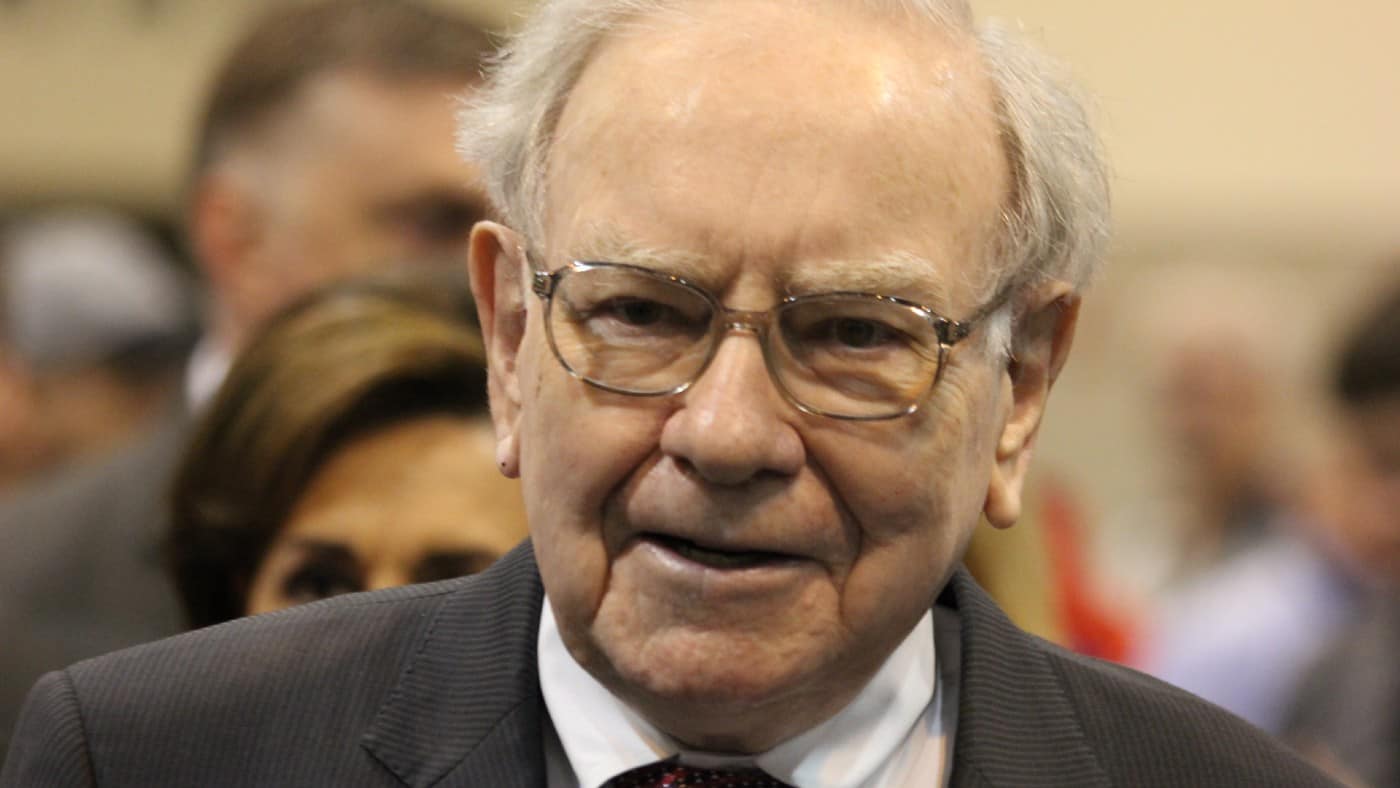
Warren Buffett at a Berkshire Hathaway AGM

Image source: The Motley Fool

Nowadays people think of Warren Buffett as a highly successful investor worth tens of billions of pounds.

But Buffett’s wealth was not handed to him on a plate. Although he came from a respectable family, he is essentially a self-made man. He first bought shares as a schoolboy, and has been doing so for over eight decades.

By using parts of Buffett’s approach, I also hope to build wealth over the decades to come. He started with nothing, saved a little from a paper round to invest and went from there. Similarly, I think putting aside money from my everyday life to invest in the stock market could help me grow wealth over time.

Take a long-term view

Buffett is a big believer in long-term investing. He does not buy shares hoping to sell them after a few months following a price jump.

Rather, he sees shares as small stakes in a business. So he looks for companies he thinks can do well over the course of years, then buys shares to hold for the long run.

Buffett’s annual letter to Berkshire Hathaway shareholders usually includes a rundown of his company’s largest shareholdings. These include firms such as Apple, Bank of America and Coca-Cola.

Why did he choose to buy these shares rather than others?

He is looking to buy into what he sees as great businesses trading at attractive prices. So Buffett looks for a firm in a large market with some advantage rivals cannot replicate, like a brand or patented drink formula.

Buffett diversifies

But why does Buffett invest in a variety of companies? After all, some of his picks have been great successes. He could have made more money by investing all his funds in them.

The problem with such an analysis is that it relies on hindsight. Ahead of time, nobody knows what will happen to a company. Even the best-run business can run into unexpected challenges that will damage its prospects.

Buffett adopts a well-known risk management strategy known as diversification. As the name suggests, this involves spreading one’s portfolio across a diversified range of shares in different industries. I do the same with my own share portfolio.

Put earnings to use

Some investors ‘compound’ their dividends, which means using them to buy more shares rather than spend them as cash.

Buffett says, “my life has been a product of compound interest”. By investing in companies and then using dividends from them to buy more shares, he has been able to build wealth. Compounding can be promising in the short term, but it is in the long term that its real power to create wealth becomes especially clear.

Putting money he earns back into earning even more has been one of the reasons Buffett has been able to build so much wealth in his own lifetime. I am applying some of the lessons from his career even as I invest on a much more modest scale.


Bank of America is an advertising partner of The Ascent, a Motley Fool company. C Ruane has no position in any of the shares mentioned. The Motley Fool UK has recommended Apple. Views expressed on the companies mentioned in this article are those of the writer and therefore may differ from the official recommendations we make in our subscription services such as Share Advisor, Hidden Winners and Pro. Here at The Motley Fool we believe that considering a diverse range of insights makes us better investors.

More on Investing Articles

Female student sitting at the steps and using laptop
Investing Articles

7 FTSE 100 shares that look cheap after the 2026 stock market correction

Falling stock markets often present bargain opportunities. Let's take a look at some of the cheapest FTSE 100 shares at…

Read more »

piggy bank, searching with binoculars
US Stock

Up 59% this year, this S&P 500 stock is smashing the index!

Jon Smith points out a stock from the S&P 500 that's flying right now as part of a transformation plan,…

Read more »

Businessman hand stacking money coins with virtual percentage icons
Investing Articles

Stock market correction: a rare second income opportunity?

Falling share prices are pushing dividend yields higher. That makes it a good time for investors looking for chances to…

Read more »

Finger clicking a button marked 'Buy' on a keyboard
Dividend Shares

I just discovered this REIT with a juicy 9% dividend yield

Jon Smith points out a REIT that just came on his radar due to the high yield, but comes with…

Read more »

Aviva logo on glass meeting room door
Investing Articles

£5,000 invested in Aviva shares 5 years ago is now worth…

Aviva shares have vastly outperformed the FTSE 100 over the last 5 years. Zaven Boyrazian explores just how much money…

Read more »

Photo of a man going through financial problems
Investing Articles

The stock market hasn’t crashed… yet. Don’t wait too long to prepare

Mark Hartley outlines what defines a stock market crash and provides a few tips and tricks to help UK investors…

Read more »

Two white male workmen working on site at an oil rig
Investing Articles

After a 30% rally, are BP shares too expensive — or should I consider more?

Mark Hartley breaks down the investment case for BP shares and whether the new project in Egypt is enough to…

Read more »

Two elderly people relaxing in the summer sunshine Box Hill near Dorking Surrey England
Investing Articles

Forget the FTSE 100 and come back after summer? Here’s my plan!

With the FTSE 100 moving around in a volatile way, should our writer just forget all about it for a…

Read more »