How I’d invest for a passive income with £250 a week

Rupert Hargreaves explains how he would invest £250 a week into the stock market with the goal of generating a passive income.

The content of this article was relevant at the time of publishing. Circumstances change continuously and caution should therefore be exercised when relying upon any content contained within this article.

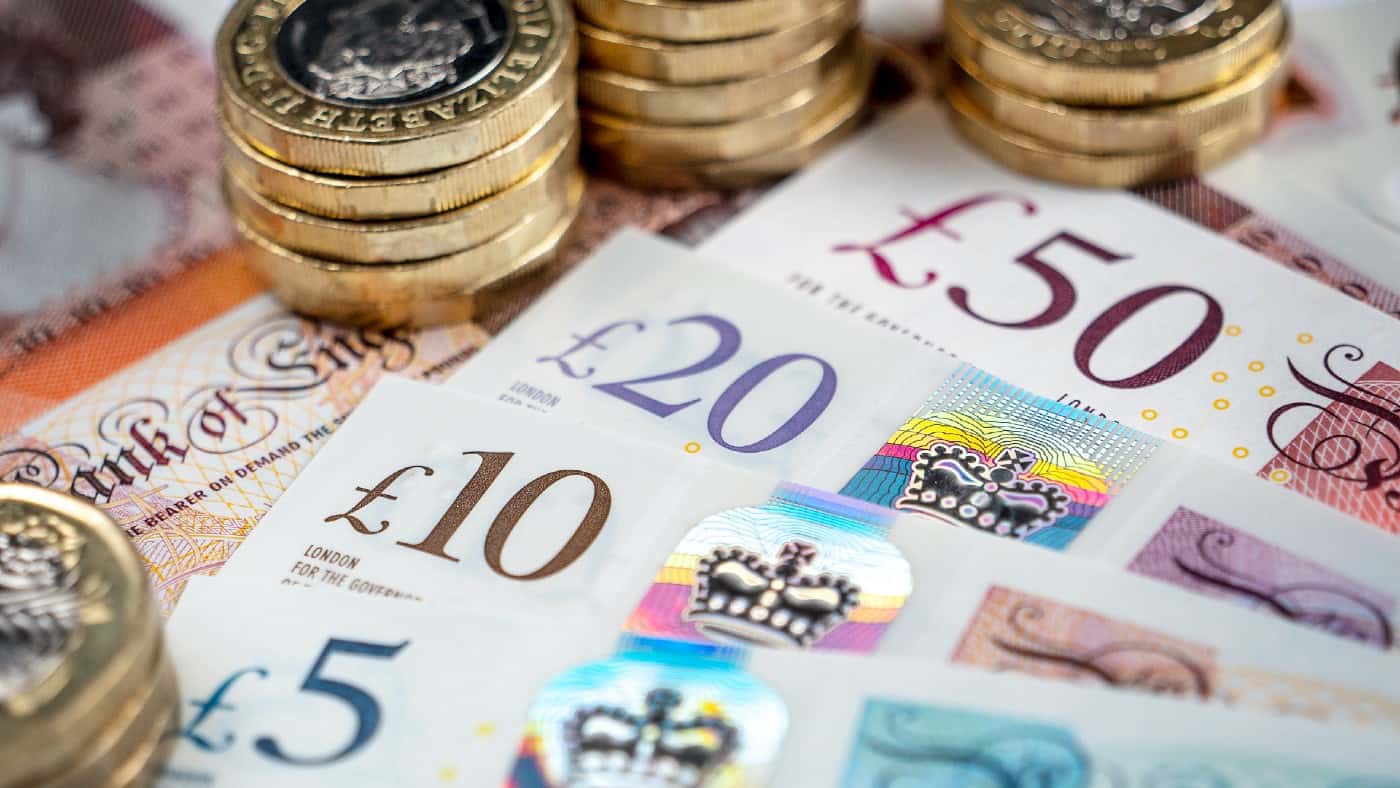
Close-up of British bank notes

Image source: Getty Images

You’re reading a free article with opinions that may differ from The Motley Fool’s Premium Investing Services. Become a Motley Fool member today to get instant access to our top analyst recommendations, in-depth research, investing resources, and more. Learn More.

I think investing in stocks and shares is one of the best ways to generate a passive income. Unlike other passive strategies, investing in the stock market does not require a massive amount of capital upfront.

Indeed, any investor can start buying equities today with just a few pounds. That means it could be possible to start generating an income almost immediately. This is not possible with other strategies, such as buy-to-let. Owning rental property requires tens of thousands of pounds upfront investment. And while income produced can be significant, it also involves a lot of extra work. 

With that in mind, here is the strategy I would use to invest £250 a week for a passive income stream. 

Investing for a passive income 

One of the easiest ways to build a passive income portfolio is to acquire high-yield stocks. Companies such as Persimmon and British American Tobacco fit the bill perfectly. Both of these stocks support dividend yields of 8%, at the time of writing. 

The one drawback of this strategy is the fact that, more often than not, a high yield is a sign that the market does not believe the payout is sustainable. This means it can be pretty tricky to pick high-yield stocks. It requires additional analysis of the business, its balance sheet and growth prospects. 

Still, I would be happy to acquire both of these companies for my passive income portfolio. However, I would limit the exposure in my portfolio to around 20%. For the rest of the portfolio, I would try to invest in corporations that have more scope for capital growth, as well as income. 

Unfortunately, this will mean sacrificing some income. Growth stocks tend to hold back a percentage of profits every year rather than distributing all of their income. Management can then reinvest this income back into the business to fund expansion plans. 

I believe this is the best use of my £250 a week investment, as it will open the door to both income and capital growth. Some companies can reinvest profits at a double-digit rate of return, which is far more than I would be able to achieve by investing the same amount of money in income stocks. 

Growth and income

A selection of companies I would buy for my passive income portfolio that have both income and growth credentials are IG Group, Hikma and Bunzl

These firms may not be traditional income investments. Still, as I noted above, I think their capital growth could more than compensate for the lack of income. 

Of course, this is not guaranteed. Any one of these companies could encounter growth headwinds, such as rising costs or competition in their respective markets. If costs rise substantially, or competition increases, they may not grow as fast as expected. In this scenario, they may have to reduce their dividends. 

Rupert Hargreaves owns British American Tobacco. The Motley Fool UK has recommended British American Tobacco, Bunzl, and Hikma Pharmaceuticals. Views expressed on the companies mentioned in this article are those of the writer and therefore may differ from the official recommendations we make in our subscription services such as Share Advisor, Hidden Winners and Pro. Here at The Motley Fool we believe that considering a diverse range of insights makes us better investors.

More on Investing Articles

Investing Articles

The key number that could signal a recovery for the Greggs share price in 2026

The Greggs share price has crashed in 2025, but is the company facing serious long-term challenges or are its issues…

Read more »

Rolls-Royce's Pearl 10X engine series
Investing Articles

Can the Rolls-Royce share price hit £16 in 2026? Here’s what the experts think

The Rolls-Royce share price has been unstoppable. Can AI data centres and higher defence spending keep the momentum going in…

Read more »

Businessman with tablet, waiting at the train station platform
Investing Articles

Up 150% in 5 years! What’s going on with the Lloyds share price?

The Lloyds share price has had a strong five years. Our writer sees reasons to think it could go even…

Read more »

Investing Articles

Where will Rolls-Royce shares go in 2026? Here’s what the experts say!

Rolls-Royce shares delivered a tremendous return for investors in 2025. Analysts expect next year to be positive, but slower.

Read more »

Emma Raducanu for Vodafone billboard animation at Piccadilly Circus, London
Investing Articles

Up 40% this year, can the Vodafone share price keep going?

Vodafone shareholders have been rewarded this year with a dividend increase on top of share price growth. Our writer weighs…

Read more »

Buffett at the BRK AGM
Investing Articles

Here’s why I like Tesco shares, but won’t be buying any!

Drawing inspiration from famed investor Warren Buffett's approach, our writer explains why Tesco shares aren't on his shopping list.

Read more »

Investing For Beginners

If the HSBC share price can clear these hurdles, it could fly in 2026

After a fantastic year, Jon Smith points out some of the potential road bumps for the HSBC share price, including…

Read more »

Investing Articles

I’m thrilled I bought Rolls-Royce shares in 2023. Will I buy more in 2026?

Rolls-Royce has become a superior company, with rising profits, buybacks, and shares now paying a dividend. So is the FTSE…

Read more »