Airlines have taken a hit after UK’s Brexit decision with exchange rates damaging the sterling bottom line and with fears growing over the possible loss of access to the EU’s open skies.
Record passenger numbers
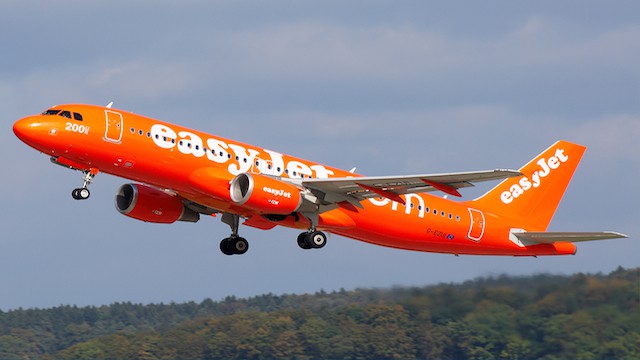
One of the hardest hit has been easyJet (LSE: EZJ), whose shares are down 30% since the referendum. But today we saw a bounce-back of 3%, to 1,066p, after the budget airline reported a record 73.1m passengers in the full year to September 2016, up 6.6% on the previous year. The firm’s load factor hit a record too, with 91.6% just beating 2015’s 91.5%.
The EU upheaval did result in a 0.4% fall in revenue to £4,669m with revenue per seat down 6.4% to £58.46. But that’s better than many had feared and was partially compensated for by a 2% fall in cost per seat to £52.26 — though the difference of just £6.20 shows how intense competition and thin margins make this a risky business to be in.
If it wasn’t for the shareholder revolt led by Sir Stelios Haji-Ioannou a couple of years back, we could have been looking at a seriously over-stretched company now, instead of the lean operation that I reckon should be able to overcome short-term hurdles with not too much pain.
In fact, though pre-tax profit was hit by around £150m by the momentous political events of the past few months, easyJet still delivered £495m and ended the year with net cash of £213m and a strong credit rating. The firm says its 14.6% return on capital employed is “significantly above” its cost of capital.
The 53.8p dividend gave a 5% yield on the current price, in line with the firm’s policy of paying out 50% of pre-tax profit in cash. It’s expected to fall next year to around 4%, but that’s still decent. And with the shares on a forward P/E of under 12, I see a resilient company and a buying opportunity.
Is bigger better?
If you want an alternative in an airline, is it better to go for one of the big ones like International Consolidated Airlines (LSE: IAG)? In theory, they should be able to absorb financial shocks and survive times of hardship more easily. And International, the owner of British Airways and Spain’s Iberia, saw its shares pick up 2% to 449p this morning.
But we’re still looking at a fall of more than 20% over the past 12 months, and a 15% drop since the Brexit vote. Over five years shareholders have enjoyed a 210% gain compared to just 165% from easyJet. But easyJet has been paying decent dividends while International has offered none, so there doesn’t seem to be much extra reward from the supposedly safer company after recent events.
At the end of its third quarter, International Consolidated Airlines was sitting on net debt of more than £8bn too, which is also a concern.
In truth, airlines are always risky, with very little control of costs (especially fuel costs) and little differentiation other than on ticket prices. So I reckon you might well put the risk aside and go for the one with the better growth prospects — and if you don’t like risks, stay away from airlines altogether.
In this case, I’d say it’s easyJet, especially as the company plans to apply for a licence to continue flying from another EU base once the UK leaves.