Reliable revenue growth and steady dividend increases have made white-collar outsourcer Capita (LSE: CPI) an income investor favourite for years. But after last month’s shock profit warning and subsequent 35% drop in share prices, should investors start to worry about the longevity of Capita’s 5.4% yielding dividend?
I don’t believe it’s time to panic just yet. First off, the profit warning was down to cost overruns on a single project and an overall slowdown in new contracts as businesses and government offices alike held off while the dust cleared surrounding Brexit.
Now, is this problem going to continue until we have a clearer picture of the form Brexit will take? Almost undoubtedly, but that hardly means dividends are in imminent danger of being slashed.
That’s because Capita’s underlying business remains quite sound. While the profit warning was a shock, management still expects 1% organic revenue growth and underlying pre-tax profits of around £545m for 2016, only 6% lower than last year.
While lower profits are never a good thing, even this downward revision comfortably covers the £210m paid out to shareholders last year in dividends. Taking into account the profit warning, consensus analyst forecasts still have forward earnings covering dividends 2.06 times over. This is a very healthy level of coverage and only slightly lower than the 2.23 to 2.27 range from the past five years.
Likewise, while net debt rose to 2.7 times EBITDA over the past three months, management is expecting it to fall back below the 2.5 threshold by year-end, which is inside the company’s long-term range. While Brexit-related troubles are likely to persist for a few quarters Capita remains solidly profitable, has higher margins than competitors due to its white-collar nature and retains sufficient breathing room to continue progressive dividend payouts.
Bad news ahead?
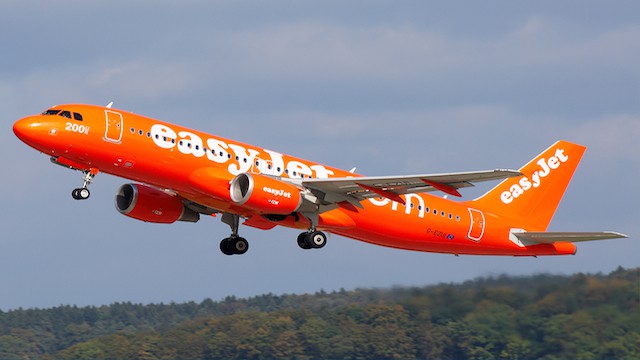
The situation is less reassuring over at the UK’s favourite budget carrier, easyJet (LSE: EZJ). Even before Brexit and the plummeting pound dented Britons’ desire for foreign vacations, the airline industry was facing the age-old problem of increasing capacity and slowing demand growth.
These combined headwinds have unsurprisingly sent easyJet shares into a vicious tailspin over the past year that has resulted in each share yielding 6.25% annually.
Is this level of shareholder returns going to continue? No. First and foremost that’s simply because rather than the progressive dividend policy Capita has, easyJet has a variable policy that aims to return 40% of post-tax profits to shareholders.
Therefore, the company’s Q3 trading statement that guided for annual pre-tax profits of around £490m being 28% lower than 2015’s £686m signals that we can expect a similar fall in dividends.
easyJet remains a solid company with a healthy balance sheet and leading market share in the critical UK market, but its fate is inexorably tied to the health of European economies. With Brexit, tepid economic growth and terrorism fears all dampening tourism demand I would expect this year’s poor results to be more than a one-off event.