Any veteran investors who heeded Warren Buffett’s call to avoid airline shares at all costs must surely be perplexed by the industry’s newfound stability and profitability. The sector as a whole was in rude health even before the collapse of oil prices, but few carriers have matched the success of the pioneer of budget airlines, Ryanair (LSE: RYA). Ryanair continued a long string of good results this week by announcing full-year 2015 profits rose 43%, even though hedging resulted in average oil prices remaining high at $90/bbl.
Building on top-three market share in each of Europe’s main economies, the company announced that it expects fares to drop 7% next year due to terror attacks affecting demand, lower fuel costs filtering down to customers, and a desire to aggressively grow the company’s position across the Continent. Ryanair is able to take a hit to profits as it has net cash of €312m, filled 93% of available seats on its planes last year, and had net margins in excess of 19%. This gives the company incredible fire power to improve its position while continuing its €800m share buyback programme.
Falling fares risk
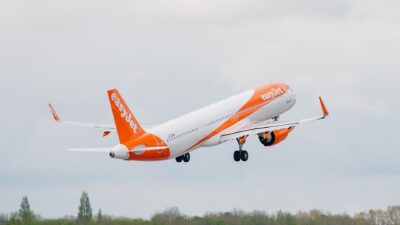
easyJet (LSE: EZJ) must feel firmly in Ryanair’s crosshairs as the British carrier is now the UK’s market leader in short-haul flights. Rapid expansion has come at a price for easyJet as it slumped to a £24m loss over the past six months due to the Brussels and Paris terror attacks leading to fewer passengers on an increased number of planes. Building out its fleet has also led to net debt of £474m, although a new investment grade credit rating should keep interest rates low.
Full-year 2015 operating margins of 14.6% were also lower than those posted at Ryanair, showing the benefits of greater scale and Ryanair’s 50% larger fleet. Still, easyJet was able to keep margins steady over the past six months despite slower growth in the sector. But, going forward, easyJet can ill afford a 7% drop in fares if its load factor, the percentage of full seats on a plane, doesn’t budge from 89.7%, as happened in the past six months. With a less dominant market position in Europe, lower margins and greater debt, easyJet is in a more precarious position if fares fall as far as they’re expected to at Ryanair.
Carving a niche but still vulnerable
Wizz Air (LSE: WIZZ) has largely avoided competing with legacy carriers or the dominant budget rivals by focusing on the relatively under-served Central and Eastern European markets. This strategy has worked well thus far, as Q3 revenue increased a staggering 17.3% as the company attracted 23.2% more passengers than this time a year prior.
Although revenuer per seat fell 3.5% year-on-year as the company lowered ticket prices, total costs per seat fell even further due to average fuel prices dropping significantly. Wizz should also be relatively immune to any aggressive moves by Ryanair due to its narrow geographic reach. Despite this, with slim but growing operating margins of 6.9%, exposure to less wealthy areas of Europe and relatively high levels of debt, Wizz remains more vulnerable than either Ryanair or easyJet to a general economic downturn.