3 reasons why the FTSE 100 is falling

Jonathan Smith explains how inflation, Covid-19 concerns and a potential stalling UK economic recovery are to blame for the FTSE 100 slump.

The content of this article was relevant at the time of publishing. Circumstances change continuously and caution should therefore be exercised when relying upon any content contained within this article.

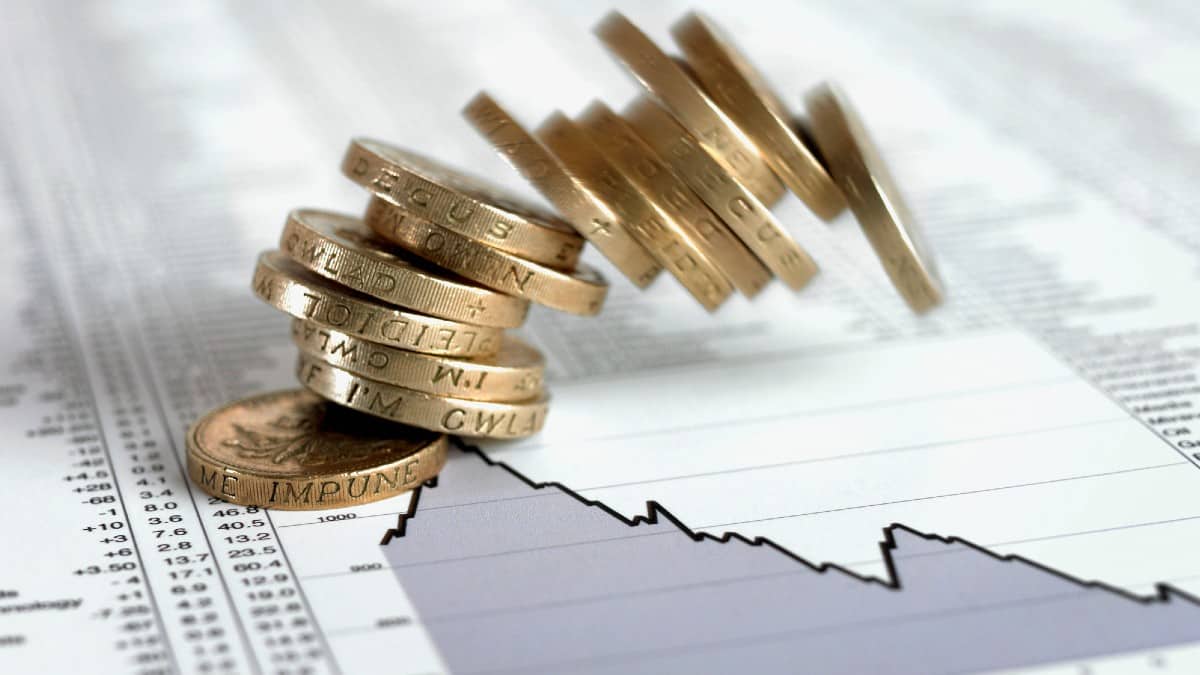
Stack of British pound coins falling on list of share prices

Image source: Getty Images

You’re reading a free article with opinions that may differ from The Motley Fool’s Premium Investing Services. Become a Motley Fool member today to get instant access to our top analyst recommendations, in-depth research, investing resources, and more. Learn More.

The FTSE 100 index has been falling recently. A month ago, it was trading at 7,110 points but it’s now at 6,880 points. This drop has mainly come over the past week or so, with it dropping 2.5% on Monday. Given that the FTSE 100 index is an average of the 100 stocks within it (weighted by market capitalisation), a large move like this shows that most stocks are falling. So what are the reasons for this?

Rising Covid-19 fears

The first reason for the fall in the short run is from the concern around Covid-19. In the UK, Monday saw the lifting of all restrictions by the Government. Although some referred to it as freedom day, the markets didn’t see it this way! The potential for higher infection rates could see a vast number of people having to self-isolate. 

The implications that this has for business is negative. This also hampers sectors including travel and tourism, which was reflected with some of the biggest fallers in the FTSE 100 being from this area.

The knock-on impact here is that banks and financial services could come under pressure again. Higher loan impairments and bad debt provisions could be stepped up. There are several large banks within the FTSE 100 index that will drag the overall index performance.

Higher inflation hurting the FTSE 100

A second reason is due to rising inflation concerns. Why is this a negative for the FTSE 100? It’s rare to find a FTSE 100 company that doesn’t have debt issued. When debt gets refinanced, or new debt is issued, the rate of interest correlates with the Bank of England base rate. So if the base rate increases, the cost of new debt also increases.

The Bank of England historically has looked to counter higher inflation by raising interest rates. Higher rates should encourage people to save rather than spend, acting to dampen inflation. Putting this all together, higher inflation readings recently could make the Bank of England raise rates, which would be negative for corporates in the FTSE 100.

A damper recovery?

Finally, a third reason for the fall in the FTSE 100 is that the UK economy might not be recovering as well as expected. After a bumper retail sales increase in April, the May figure was negative by 1.4%. Further, after four months with a decrease in the unemployment rate, the latest May figure showed a rise in the unemployment rate to 4.8%.

Other key metrics such as the quarterly GDP reading are due out in a few weeks. I will have to wait and see what this shows. However, it’s likely that some investors are getting nervous over the state of the UK economy, and are reflecting this by selling FTSE 100 shares and buying perceived safer assets.

Overall, there are several reasons why the FTSE 100 has fallen recently. As an investor, I can look at stocks that have fallen as some may present long-term buying opportunities at a discounted level. My colleague Alan Oscroft discusses some that he would buy here.


jonathansmith1 has no position in any of the shares mentioned. The Motley Fool UK has no position in any of the shares mentioned. Views expressed on the companies mentioned in this article are those of the writer and therefore may differ from the official recommendations we make in our subscription services such as Share Advisor, Hidden Winners and Pro. Here at The Motley Fool we believe that considering a diverse range of insights makes us better investors.

More on Investing Articles

Investing Articles

The key number that could signal a recovery for the Greggs share price in 2026

The Greggs share price has crashed in 2025, but is the company facing serious long-term challenges or are its issues…

Read more »

Rolls-Royce's Pearl 10X engine series
Investing Articles

Can the Rolls-Royce share price hit £16 in 2026? Here’s what the experts think

The Rolls-Royce share price has been unstoppable. Can AI data centres and higher defence spending keep the momentum going in…

Read more »

Businessman with tablet, waiting at the train station platform
Investing Articles

Up 150% in 5 years! What’s going on with the Lloyds share price?

The Lloyds share price has had a strong five years. Our writer sees reasons to think it could go even…

Read more »

Investing Articles

Where will Rolls-Royce shares go in 2026? Here’s what the experts say!

Rolls-Royce shares delivered a tremendous return for investors in 2025. Analysts expect next year to be positive, but slower.

Read more »

Emma Raducanu for Vodafone billboard animation at Piccadilly Circus, London
Investing Articles

Up 40% this year, can the Vodafone share price keep going?

Vodafone shareholders have been rewarded this year with a dividend increase on top of share price growth. Our writer weighs…

Read more »

Buffett at the BRK AGM
Investing Articles

Here’s why I like Tesco shares, but won’t be buying any!

Drawing inspiration from famed investor Warren Buffett's approach, our writer explains why Tesco shares aren't on his shopping list.

Read more »

Investing For Beginners

If the HSBC share price can clear these hurdles, it could fly in 2026

After a fantastic year, Jon Smith points out some of the potential road bumps for the HSBC share price, including…

Read more »

Investing Articles

I’m thrilled I bought Rolls-Royce shares in 2023. Will I buy more in 2026?

Rolls-Royce has become a superior company, with rising profits, buybacks, and shares now paying a dividend. So is the FTSE…

Read more »