Investors won’t need me to tell them that the Diageo (LSE: DGE) share price has been an absolute stinker. One of the most admired FTSE 100 blue-chips has turned into a terrifying falling knife. The shares have plummeted 35% over the last year and 55% over three years.
It’s just been one thing after another since Diageo issued a shock profit warning in November 2023, after sales slowed sharply in Latin America. More followed as demand weakened elsewhere. The cost-of-living crisis squeezed drinkers, hammering the premium spirits market that Diageo specialises in. US tariffs, worries that younger consumers are drinking less, and concerns that weight loss drugs might curb alcohol consumption further drained confidence. Currency swings and bloated inventories added to the pain. The death of inspirational CEO Ivan Menezes capped it.
FTSE 100 fall guy
Every time I think the shares have fallen far enough, they slide again. That tells me there’s still a lot of uncertainty baked in. Once sentiment turns against a stock, it tends to overshoot on the way down.
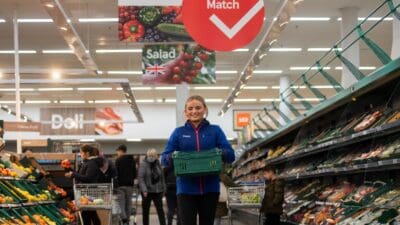
My mood lifted in November when Diageo appointed former Tesco boss Dave Lewis as new chief executive. I remember writing about Tesco before and after his arrival in July 2014, and it was a completely different business. Tesco was in crisis but Lewis made tough calls and rebuilt trust with customers.
This morning, I stumbled across a BBC article written on his transformation, on 22 April 2015. It reminded me that Lewis deployed a brutal but effective technique known as kitchen sinking. Basically, this involves a new boss clearing the decks by dragging every problem into the open at once and booked enormous one-off charges.
Tesco slashed the value of its property estate, took hits on overseas ventures, increased pension contributions and paid for a major European overhaul. The numbers were frightening, but it allowed Lewis to start with a clean slate. And crucially, from a lower share price base.
Long-term recovery play
When Lewis arrived in 2024, the Tesco share price stood at around 360p. By the time that BBC piece appeared, the shares had slid to 300p. They ended 2015 closer to 182p. That’s nearly 50% was wiped off in his first 18 months. The turnaround worked, but there was plenty of pain first.
Lewis is methodical, not a wand waver. There’s a strong chance he’ll kitchen sink Diageo too, flushing out problems we didn’t even know existed. That could mean more pain before progress becomes visible. Of course, history never repeats perfectly. Maybe Diageo’s kitchen is cleaner. But if I was Lewis, I’d stick to the method.
Diageo owns powerful brands and generates plenty cash, and the current price-to-earnings ratio of 13.5 looks far less demanding than it did a few years ago. The trailing dividend yield is higher too at 5.05%. I hope Lewis doesn’t chuck the dividend down the kitchen sink. He might.
Diageo is worth considering, but investors should brace themselves for further volatility. If Lewis applies the same discipline he showed at Tesco, things could get worse before they get better.