The FTSE 100 index of stocks is well and truly back, delivering a stunning 21.4% total return over the past year. If you’d put £20,000 in an index tracker fund last December, you’d now be sitting on a cool £24,280.
Those who’d invested more would have naturally made an even greater pile of cash, and certainly more than putting money in an S&P 500 fund. This US share index has delivered a weaker (if still pretty decent) 14.6% return during the last 12 months.
But can the FTSE 100 continue its stunning recent form?
Top value
Over the long term, investing in UK blue-chip shares has proved an effective wealth builder, even if overseas shares have often provided better returns.
Since late 2015, the FTSE’s delivered an average yearly return of 8.4%. Compare that with, say, the average return of roughly 1.2% that savings accounts have provided in that time.
Yet past performance isn’t a guarantee of future returns. So how do things look from here?
Pretty good, in my book. On both an historical and global basis, FTSE 100 stocks still offer excellent value, which could keep attracting the sort of explosive investor interest we’ve seen in 2025.
Value shares can deliver substantial gains, as mispriced companies often see their share prices re-rate as earnings rise and/or market sentiment improves. They can also provide protection in uncertain times like these — low valuations can make stocks more resilient when broader markets are volatile.
What else might drive the FTSE?
But it’s not just the FTSE’s excellent value that might drive the index higher. Rising commodity prices could boost its high weighting of energy and commodity stocks (like Shell and Glencore). Likewise, growing demand for financial services should boost insurers (think Aviva), banks (Standard Chartered), and asset managers (M&G).
Other possible drivers include a falling pound that boosts multinational companies’ earnings, and rising demand for dividend shares. The Footsie is jammed with financially robust firms in mature industries and with strong dividend cultures.
Having said all this, I haven’t bought a FTSE 100-tracking fund for my portfolio. I think there’s a better way to make money from the index.
Here’s what I’m doing
By cherry picking specific shares, I’m confident I can make a superior return than just by buying a tracker. Coca-Cola HBC (LSE:CCH) is one of my largest holdings and a share I’ve bought more of recently.
The soft drinks market is famously competitive. But exclusive rights to make and distribute the world’s most popular brands is helping the company overcome this danger and deliver stunning sales and earnings growth, even in tough conditions.
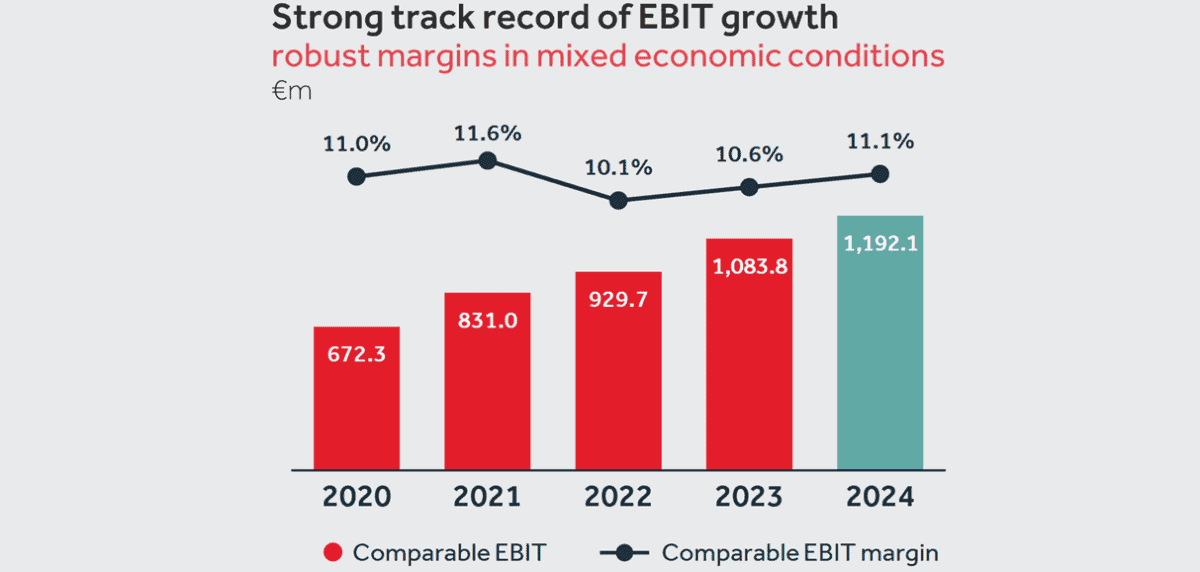
This breakneck growth also reflects the firm’s huge exposure to emerging and developing markets. In October, it acquired Coca-Cola Beverages Africa to give earnings from these fast-growing regions an even bigger boost.
Over the last year, Coca-Cola’s delivered a 36% return, comfortably higher than the FTSE 100’s. But this is no flash in the pan — over 10 years its average annual return is 12.1%, again beating the index.
There’s no guarantee either Coca-Cola or the broader blue-chip index will keep rising. But on balance, I’m confident both will deliver further excellent returns over the long term.