Here’s the dividend forecast for BT shares through to 2027

BT shares have surged this year but still represent an appealing opportunity for income-focused investors. Here’s the dividend forecast.

| More on:

The content of this article was relevant at the time of publishing. Circumstances change continuously and caution should therefore be exercised when relying upon any content contained within this article.

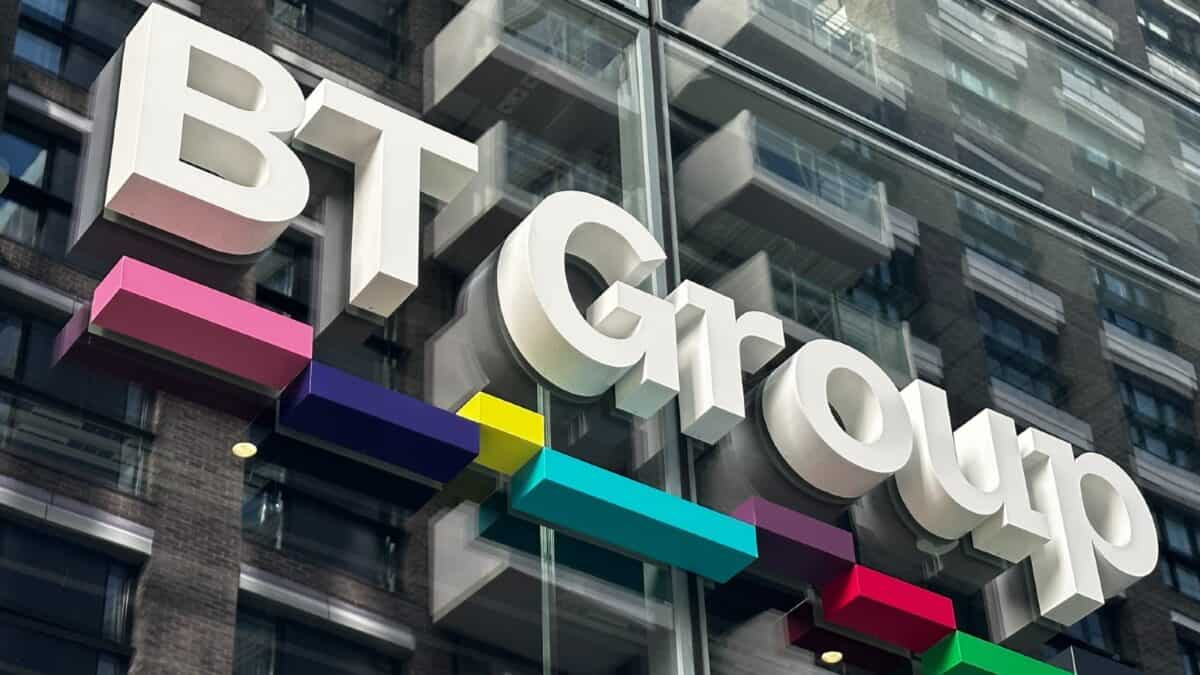
Exterior of BT Group head office - One Braham, London

Image source: BT Group plc

You’re reading a free article with opinions that may differ from The Motley Fool’s Premium Investing Services. Become a Motley Fool member today to get instant access to our top analyst recommendations, in-depth research, investing resources, and more. Learn More.

BT (LSE:BT.A) shares have outperformed the FTSE 100 in recent months, surging to nearly 150p per share from a little over 100p.

This has, however, meant a falling dividend yield. Investing today, I’d receive 5.5% per year, down from over 7% if I had invested in early May.

Looking forward, analysts expect dividend payments to rise, but not by much. Let’s take a closer look.

202520262027
Dividend payment8.17p8.34p8.25p
EPS14.1p15p14.8p
Dividend yield5.51%5.63%5.57%
EPS (Earning per share)

The above chart uses the consensus estimates of all the analysts covering the stock. As such, the downturn in expected dividends in 2027 may reflect the fact that the most bullish analysts haven’t issued a forecast for that year.

Nonetheless, the broad consensus is that dividends won’t increase rapidly over the medium term. That’s certainly something worth bearing in mind.

By comparison, investors could buy Lloyds stock today with a forward yield of 5.5%. However, forecasts suggest the yield will be 6.9% based on increased dividend payments by 2027.

A favourite among analysts

BT is actually one of the most undervalued stocks on the FTSE 100, according to the 17 analysts covering the stock. The average share price target is 197.4p, inferring that the stock is undervalued by 33.3%.

However, it’s not an easy company to value because it’s going through something of a transition. The rollout of Fibre to the Premises (FTTP) has raised costs by billions of pounds. However, the company has now passed the peak in its spending on this, so should now become much more profitable.

Exactly how profitable is debated. The highest share price target for BT is 290p, while the lowest is 110p. It’s quite unusual to see such a huge variance between the highest and lowest targets.

Still worth an investing in?

I said I was going to invest in BT stock in May but before I had time to act (I went away for a week), the stock had surged 25%.

The issue I see now is the margin for safety has become a lot smaller. When I covered the stock in early May, it was trading around 80% below its share price target.

Coupled with a dividend yield of 7%, the stock seemed like a slam dunk buy for my portfolio.

However, BT is now up 45% since May. And as alluded to, the dividend yield is smaller, and the discount — albeit one generated by analysts, who can get it wrong — is a lot smaller.

So, what should I do?

Well, I’m simply keeping a close eye on the stock. Management has promised £3bn of savings every year through to the end of the decade, and I want to see whether that’s realistic.

I also want to see further evidence that debt is under control — net debt has surged to around £20bn — and that earnings are improving.


James Fox has positions in Lloyds Banking Group Plc. The Motley Fool UK has recommended Lloyds Banking Group Plc. Views expressed on the companies mentioned in this article are those of the writer and therefore may differ from the official recommendations we make in our subscription services such as Share Advisor, Hidden Winners and Pro. Here at The Motley Fool we believe that considering a diverse range of insights makes us better investors.

More on Investing Articles

Close-up of British bank notes
Investing Articles

£20,000 for a Stocks and Shares ISA? Here’s how to try and turn it into a monthly passive income of £493

Hundreds of pounds in passive income a month from a £20k Stocks and Shares ISA? Here's how that might work…

Read more »

Snowing on Jubilee Gardens in London at dusk
Investing Articles

£5,000 put into Nvidia stock last Christmas is already worth this much!

A year ago, Nvidia stock was already riding high -- but it's gained value since. Our writer explores why and…

Read more »

Investing Articles

Are Tesco shares easy money heading into 2026?

The supermarket industry is known for low margins and intense competition. But analysts are bullish on Tesco shares – and…

Read more »

Smiling black woman showing e-ticket on smartphone to white male attendant at airport
Investing Articles

Can this airline stock beat the FTSE 100 again in 2026?

After outperforming the FTSE 100 in 2025, International Consolidated Airlines Group has a promising plan to make its business more…

Read more »

Investing Articles

1 Stocks and Shares ISA mistake that will make me a better investor in 2026

All investors make mistakes. The best ones learn from them. That’s Stephen Wright’s plan to maximise returns from his Stocks…

Read more »

Portrait Of Senior Couple Climbing Hill On Hike Through Countryside In Lake District UK Together
Investing Articles

I asked ChatGPT if £20,000 would work harder in an ISA or SIPP in 2026 and it said…

Investors have two tax-efficient ways to build wealth, either in a Stocks and Shares ISA or SIPP. Harvey Jones asked…

Read more »

Investing Articles

How much would I need invested in an ISA to earn £2,417 a month in passive income?

This writer runs the numbers to see what it takes in an ISA to reach £2,417 a month in passive…

Read more »

Investing Articles

Rolls-Royce shares or Melrose Industries: Which one is better value for 2026?

Rolls-Royce shares surged in 2025, surpassing most expectations. Dr James Fox considers whether it offers better value than peer Melrose.

Read more »