7% yield and P/E of 5.5! Is the beaten-down BT share price now too cheap to resist?

The BT share price has been dirt cheap for years. The dividend has looked irresistible. Yet it’s been a terrible buy. Is that about to change?

| More on:

The content of this article was relevant at the time of publishing. Circumstances change continuously and caution should therefore be exercised when relying upon any content contained within this article.

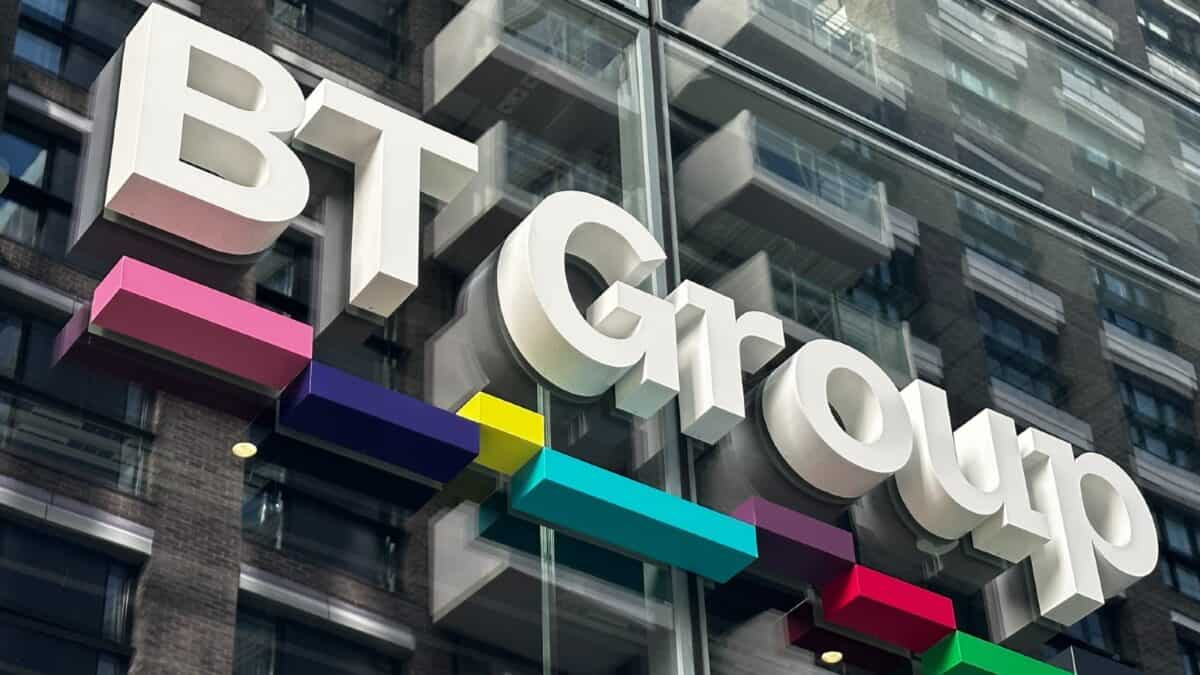
Exterior of BT Group head office - One Braham, London

Image source: BT Group plc

You’re reading a free article with opinions that may differ from The Motley Fool’s Premium Investing Services. Become a Motley Fool member today to get instant access to our top analyst recommendations, in-depth research, investing resources, and more. Learn More.

The BT (LSE: BT.A) share price is the stuff of investor nightmares, having fallen more than three-quarters over the last decade.

BT is the ultimate falling knife and it won’t seem to stop. Its shares are down 53.12% over five years, 22.08% over one year and 7.53% over the last month. Any investor brave or foolhardy enough to make a grab for the stock will have sent their portfolio straight to A&E.

The FTSE 100 telecoms giant has looked cheap for years and paid a heap of dividends, but that’s little consolation if its shares just fall and fall.

This stock is a danger to my portfolio

Over five years, the only FTSE 100 stocks to fall faster are Vodafone Group and International Consolidated Airlines.

Neither of those two tempt me, but BT does. I’ve been toying with buying it for years. Deciding against it was one of my better investment decisions. When it comes to portfolio-building, the shares we don’t buy can be just as decisive as those we do.

And yet I keep coming back to it. Today, BT trades at just 5.5 times earnings. Just how cheap is that? It’s forecast to yield a mighty 7%, with dividends covered 2.5 times by earnings.

This is exactly the type of stock I’ve been buying lately, mostly financials like Lloyds Banking Group, Legal & General Group and wealth manager M&G. Adding BT to the mix would diversify my portfolio into the telecoms sector. Surely its shares can’t fall forever, can they?

Except they have. As investors have discovered, again and again. So what makes this time different?

Some investment experts still believe in it. On 2 February, Citi gave BT a boost by reiterating its ‘buy’ rating, citing its restructuring efforts and slightly easier “operating expense pressures”. Yet it still warned that Q4 earnings before interest, tax, depreciation and amortisation would decline 25%, worse than the 17% drop reported in Q3.

BT boosted revenues last year, but only at the expense of annoying customers with inflation-busting 14.4% mid-contract prices rises. It’s also cutting costs and this time staff will feel the pain, with 55,000 of the global workforce – more than 40% – to be “streamlined” by 2030.

Still risky, still tempting

Its Openreach broadband rollout is slowly starting to deliver. The fibre to the premises (FTTP) programme expanded to 13m premises in the nine months to 31 December, with work on a further 6m under way. Openreach added 432,000 new customers in Q3 alone. Reported profit before tax rose 15% to almost £1.5bn over the period.

BT is still a strong brand. New CEO Allison Kirkby is keen to continue its turnaround plan and predecessor Philip Jansen may have been right to blame some of the company’s woes on City short-termism. Long-sighted investors could benefit from the next leg of the recovery, provided they’re patient and willing to risk short-term losses.

At some point, BT shares have to stop falling, I feel. When they do, the recovery could be swift. Investors who get in early will reap the biggest rewards. The problem is that investors have been telling themselves this for years, and are hurting as a result.

Buying BT is hugely tempting and hugely risky and I won’t know if I’m brave enough until I actually click the ‘buy’ button and commit myself.


Harvey Jones has positions in Legal & General Group Plc, Lloyds Banking Group Plc, and M&g Plc. The Motley Fool UK has recommended Lloyds Banking Group Plc, M&g Plc, and Vodafone Group Public. Views expressed on the companies mentioned in this article are those of the writer and therefore may differ from the official recommendations we make in our subscription services such as Share Advisor, Hidden Winners and Pro. Here at The Motley Fool we believe that considering a diverse range of insights makes us better investors.

More on Investing Articles

Female student sitting at the steps and using laptop
Investing Articles

How much do you need in an ISA to target £8,333 a month of passive income?

Our writer explores a potential route to earning double what is today considered a comfortable retirement and all tax-free inside…

Read more »

Three signposts pointing in different directions, with 'Buy' 'Sell' and 'Hold' on
Investing Articles

Could these 3 FTSE 100 shares soar in 2026?

Our writer identifies a trio of FTSE 100 shares he thinks might potentially have more petrol in the tank as…

Read more »

Pakistani multi generation family sitting around a table in a garden in Middlesbourgh, North East of England.
Dividend Shares

How much do you need in a FTSE 250 dividend portfolio to make £14.2k of annual income?

Jon Smith explains three main factors that go into building a strong FTSE 250 dividend portfolio to help income investors…

Read more »

Tesla building with tesla logo and two teslas in front
Investing Articles

275 times earnings! Am I the only person who thinks Tesla’s stock price is over-inflated?

Using conventional measures, James Beard reckons the Tesla stock price is expensive. Here, he considers why so many people appear…

Read more »

Investing Articles

Here’s what I think investors in Nvidia stock can look forward to in 2026

Nvidia stock has delivered solid returns for investors in 2025. But it could head even higher in 2026, driven by…

Read more »

Investing Articles

Here are my top US stocks to consider buying in 2026

The US remains the most popular market for investors looking for stocks to buy. In a crowded market, where does…

Read more »

Investing Articles

£20,000 in excess savings? Here’s how to try and turn that into a second income in 2026

Stephen Wright outlines an opportunity for investors with £20,000 in excess cash to target a £1,450 a year second income…

Read more »

DIVIDEND YIELD text written on a notebook with chart
Investing Articles

Is a 9% yield from one of the UK’s most reliable dividend shares too good to be true?

Taylor Wimpey’s recent dividend record has been outstanding, but investors thinking of buying shares need to take a careful look…

Read more »