Interest rates at 4.5%! Can I now earn more with a Cash ISA than a Stocks and Shares ISA?

Interest rates have just been raised to their highest level in 15 years. Is a Cash ISA now a better place for my money than a Stocks and Shares ISA?

The content of this article was relevant at the time of publishing. Circumstances change continuously and caution should therefore be exercised when relying upon any content contained within this article.

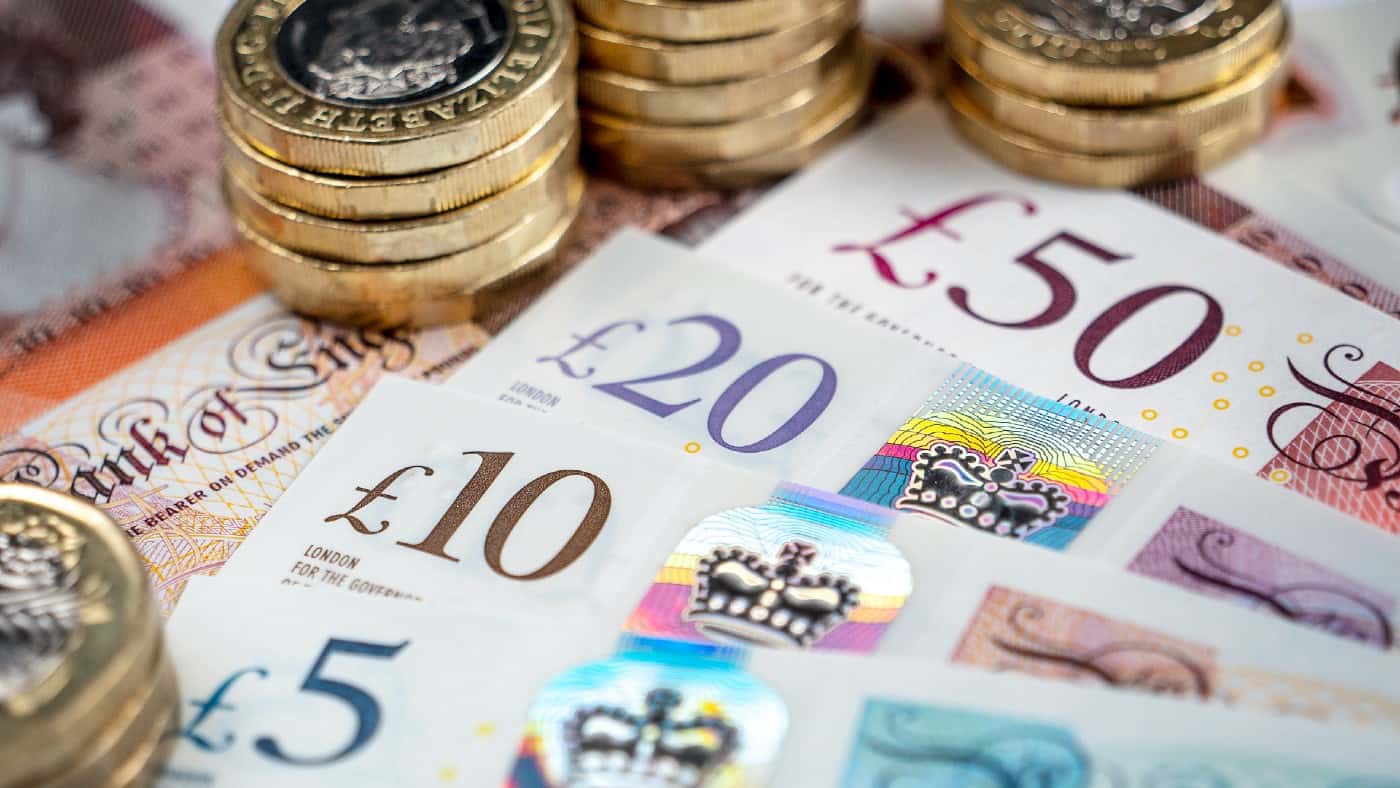
Close-up of British bank notes

Image source: Getty Images

You’re reading a free article with opinions that may differ from The Motley Fool’s Premium Investing Services. Become a Motley Fool member today to get instant access to our top analyst recommendations, in-depth research, investing resources, and more. Learn More.

For years, I’ve watched UK interest rates hover between 0% and 1%. With returns that low, I have funnelled most of my savings into a Stocks and Shares ISA rather than a Cash ISA.

But I might have changed my mind last Thursday, as the Bank of England raised rates yet again to 4.5%. I can now receive more from savings accounts than at any point since 2008.

Do these higher returns now mean a Cash ISA is a better place to build wealth than a Stocks and Shares ISA? Here’s my answer to that question, along with what I plan to do about the new rates.

The problem with banks

The most important thing to bear in mind here is that I probably won’t get the full 4.5% from a Cash ISA. 

The reason? Banks take a slice for themselves. They don’t typically pass on the full amount to customers.

In fact, I received an email this week from a well-known UK high-street bank about the new rates. It has generously nudged the return in my Cash ISA up to 1.25%. 

To be fair, most aren’t quite that bad. The highest returns I can find at the moment are 3%-3.5% for an easy-access account, and 4%-4.3% for a fixed-rate account. With that in mind, how does it compare to a Stocks and Shares ISA?

Higher potential return

An important difference with the Stocks and Shares ISA is the risk. My return is tied to the success of the company I choose to invest in. Most firms have bad years or decades, and some even go bankrupt. 

That risk is paired with a much higher potential return than a Cash ISA though, even at the new rates. 

Historical average returns including all dividends and growth are around 8%-10% for large UK and US companies. 

And investing in individual companies can increase that further. To take one example, British American Tobacco has returned around 13.5% since 1984.

What I’m doing

So which account is better? Well, the Cash ISA offers a steady, predictable return. 

And because I can now get up to 4% or so, I opened an account and deposited a small sum of cash – an emergency fund, some call it – that I’d like easy access to.

But most of my savings will still get thrown into a Stocks and Shares ISA. This back-of-the-envelope calculation shows why.

If I save £100 a month for 30 years in a 4% Cash ISA then I’d have £68,527. But the same £100 a month for 30 years at a 10% return in a Stocks and Shares ISA becomes £206,284.

To me, that’s a staggering difference. And returns have the potential to get even higher.

Numero uno

My preferred strategy is to make careful, well-researched investments that might accelerate that wealth-building. If I can choose companies that could bump my average return up to 12%? The £100 a month over 30 years is now £305,201.

All in all, when it comes to options for building wealth, I think investing in companies in a Stocks and Shares ISA is still easily numero uno.


John Fieldsend has positions in British American Tobacco P.l.c. The Motley Fool UK has recommended British American Tobacco P.l.c. Views expressed on the companies mentioned in this article are those of the writer and therefore may differ from the official recommendations we make in our subscription services such as Share Advisor, Hidden Winners and Pro. Here at The Motley Fool we believe that considering a diverse range of insights makes us better investors.

More on Investing Articles

Mature black woman at home texting on her cell phone while sitting on the couch
Investing Articles

The FTSE 100 hits 10,000! What does this mean for investors?

The FTSE 100 -- the blue-chip stock index -- has reached an all-time high, representing a milestone for the supposedly…

Read more »

British coins and bank notes scattered on a surface
Investing Articles

How much do you need in an ISA for £2,026 passive income a month?

What kind of nest egg would an investor need for £2,026 monthly passive income? Our author crunches the numbers required…

Read more »

Warren Buffett at a Berkshire Hathaway AGM
Investing Articles

Warren Buffett has retired. Could his investing approach still work today?

Warren Buffett has handed over the reins at Berkshire Hathaway. He's been investing for decades and the world has changed.…

Read more »

ISA coins
Investing Articles

Got a spare £20k for a Stocks and Shares ISA? Here’s how it could generate a £1,400 passive income in 2026!

A Stocks and Shares ISA can be a serious source of long-term passive income. Christopher Ruane explains more about this…

Read more »

Growth Shares

2 of the cheapest FTSE stocks to consider buying as we hit 2026

Jon Smith calls out a couple of FTSE companies that have fallen in the past year that he believes are…

Read more »

Tesla building with tesla logo and two teslas in front
Investing Articles

Why Tesla stock outperformed the S&P 500 — again — in 2025

As the Tesla share price shrugs off declining revenues and profits to climb 19%, what kind of further excitement will…

Read more »

Black woman using smartphone at home, watching stock charts.
Investing Articles

Thinking of investing in the stock market? Keep these basic rules in mind

Investing in the stock market can put investors on the fast track to building wealth and earning passive income. And…

Read more »

piggy bank, searching with binoculars
US Stock

This Dow Jones stock could be a dark horse outperformer for 2026

Jon Smith looks across the pond and spots a Dow Jones company that has fallen by 11% in the past…

Read more »