Warren Buffett looks at these 3 things when buying shares

Legendary investor Warren Buffett considers this trio of factors when looking for shares to buy. Our writer explains each and why he follows the Buffett method.

The content of this article was relevant at the time of publishing. Circumstances change continuously and caution should therefore be exercised when relying upon any content contained within this article.

You’re reading a free article with opinions that may differ from The Motley Fool’s Premium Investing Services. Become a Motley Fool member today to get instant access to our top analyst recommendations, in-depth research, investing resources, and more. Learn More.

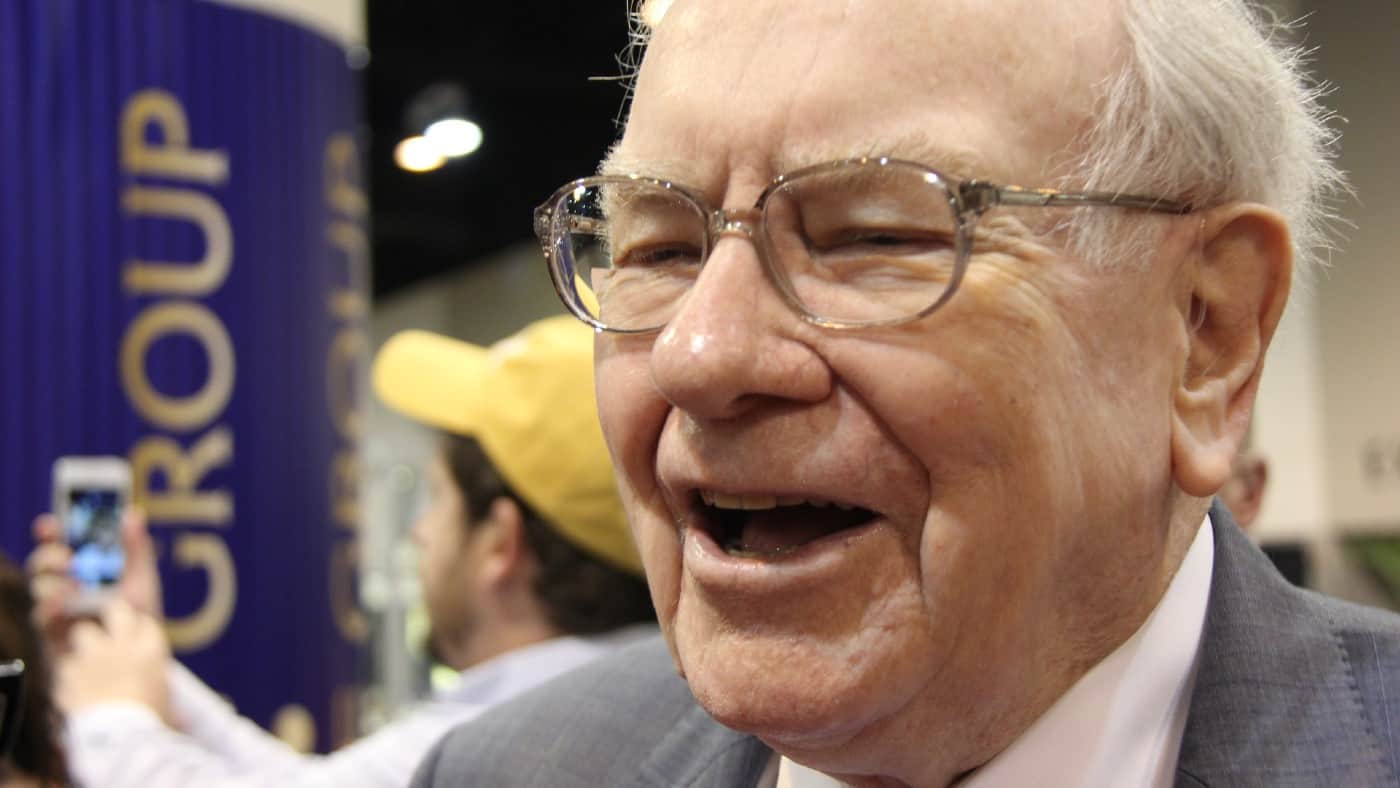
Buffett at the BRK AGM

Image source: The Motley Fool

Billionaire investor Warren Buffett has followed a consistent approach to finding shares to buy over the course of decades. He learnt it from Ben Graham and it focuses on three key elements. The good news is Buffett’s method is not a secret. In fact, it is easy to understand and I think any investor could choose to use it even with a small sum of money.

Here it is.

Think of a share as part of a business

Some investors see shares simply as bits of paper with a price attached. So they look at technical ways to value shares without concerning themselves about the details of a company.

Warren Buffett sees a share as a tiny slice of a business. So instead of thinking about shares in isolation, he considers whether the company in question has attractive business prospects. For example, when Buffett bought shares in Coca-Cola, he was attracted by its unique brands that help give the company pricing power and set it apart from competitors.

I think this approach makes sense. For a share to be attractive in the long term, the business concerned needs to have an appealing business future as far as Buffett is concerned.

Warren Buffett and Mr. Market

When he finds such a business, what does Warren Buffett do? Sometimes he will buy shares in it – and sometimes he will not.

Whether he does depends on the price. Although the Sage of Omaha does not exclusively focus on technical aspects of valuation, that does not mean he ignores them altogether. If he reckons a business is outstanding, he may buy its shares if he thinks they trade at a fair price. But if they seem too expensive, he will not buy them yet. Even a great company can make a bad investment if you overpay for it.

This is the second Ben Graham idea Buffett employs: seeing the stock exchange as “Mr. Market”. Mr. Market constantly offers to sell you shares at a price, or buy them from you. But investors do not need to take Mr. Market up on that offer. Buffett sometimes waits for years before seeing an opportunity to buy shares in a business he likes at a price he finds attractive. He does not rush.

Margin of safety

The third of Graham’s concepts Buffett uses when buying shares is looking for a margin of safety. He does not look for businesses that are only slightly better than average. He hunts for outstanding firms.

The unexpected can always happen even to the best-run firm. By trying to buy shares in outstanding businesses at a fair price, Warren Buffett aims to build in a margin of safety. Even if the firm does not live up to his expectations, hopefully it could still do well enough to help him make a positive return on his investment over the long term.

I follow Buffett’s principles when looking for shares to add to my own portfolio. They have worked well for him, after all!


Christopher Ruane has no position in any of the shares mentioned. The Motley Fool UK has no position in any of the shares mentioned. Views expressed on the companies mentioned in this article are those of the writer and therefore may differ from the official recommendations we make in our subscription services such as Share Advisor, Hidden Winners and Pro. Here at The Motley Fool we believe that considering a diverse range of insights makes us better investors.

More on Investing Articles

Man hanging in the balance over a log at seaside in Scotland
Investing Articles

Are Barclays shares trading at a 50% discount?

On some metrics, Barclays shares could be looked at as half price. Is this a fair way to look at…

Read more »

Landlady greets regular at real ale pub
Investing Articles

After toppling 11%, are Wetherspoons shares too cheap to miss?

Wetherspoons shares are sinking after a disappointing trading update on Friday (20 March). Is the FTSE 250 firm now a…

Read more »

The flag of the United States of America flying in front of the Capitol building
Investing Articles

2 S&P 500 tech titans to consider for a Stocks and Shares ISA 

Our writer sees a few blue chips from the S&P 500 that are worth considering for a Stocks and Shares…

Read more »

Group of young friends toasting each other with beers in a pub
Investing Articles

JD Wetherspoon’s share price takes a sobering 10% dip!

JD Wetherspoon's share price tanked today (20 March), after the pub chain published its latest results. James Beard reckons it’s…

Read more »

Portrait of elderly man wearing white denim shirt and glasses looking up with hand on chin. Thoughtful senior entrepreneur, studio shot against grey background.
Investing Articles

I asked ChatGPT when the Taylor Wimpey shares turnaround is coming and it said…

Taylor Wimpey shares have fallen a long way from all-time highs. Might a stunning recovery be on the cards for…

Read more »

Long-term vs short-term investing concept on a staircase
Investing Articles

My JD Wetherspoon shares just fell 12% in a day! Here’s what I’m doing

JD Wetherspoon shares just fell sharply on news of lower profits. But are these short-term challenges or is there a…

Read more »

Santa Clara offices of NVIDIA
Investing Articles

Nvidia stock price forecast: could we see $300 in 2026?

Nvidia stock has paused for breath recently. However, Wall Street analysts seem to believe that it’s just a matter of…

Read more »

Older Man Reading From Tablet
Investing Articles

How to shelter a SIPP from a nasty stock market crash

Edward Sheldon outlines some simple strategies that could help SIPP investors protect their wealth against an equity market meltdown.

Read more »