Is Tracking The FTSE 100 Really The Best Idea?

Tracking the FTSE 100 (INDEXFTSE:UKX) could hold back your returns.

The content of this article was relevant at the time of publishing. Circumstances change continuously and caution should therefore be exercised when relying upon any content contained within this article.

You’re reading a free article with opinions that may differ from The Motley Fool’s Premium Investing Services. Become a Motley Fool member today to get instant access to our top analyst recommendations, in-depth research, investing resources, and more. Learn More.

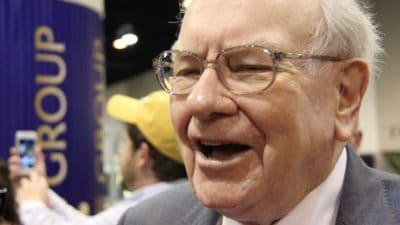
Using an index fund to track the performance of the FTSE 100 has become an extremely popular way of investing over the past few years. This method of investing has even been advocated by the Oracle of Omaha, Warren Buffett, as it’s often the case that active asset managers fail to provide value for money.

Indeed, the majority of active mangers actually consistently underperform the market year after year. So using a low risk, low cost tracker fund way is often the best way to go.

However, while a tracker fund does provide a convenient way of tracking the market, the returns from this kind of strategy have been less than impressive over the past ten years.

Poor returns 

I have advocated using a tracker fund strategy myself several times in the past. And for the inexperienced investor, I still believe that it is the best way to invest. Nevertheless, for the average investor, with some experience, an active strategy may be more suitable as, including fees, over the past ten years the returns from a ‘tracking strategy’ have been less than impressive. 

For example, the HSBC FTSE 100 Index Fund Accumulation has achieved a total return of 6.6% per annum excluding fees over the past decade. The fund charges 0.2% per annum in fess. Similarly, the iShares FTSE 100 UCITS ETF has achieved a total return of 7% per annum over the past decade but fees will have taken 0.4% off this figure. Finally, the Liontrust FTSE 100 Tracker has achieved a total return of 6.6% per annum excluding fees over the past decade. The fund charges 0.5% per annum in fess.

But on top of annual fund management charges, platform charges also take a chunk out of returns. Specifically, Hargreaves Lansdown charges 0.45% per annum in management fees for funds, while TD Direct and Charles Stanley both charge 0.3% per year. 

So, after taking into account fees of around 1% per year, the average annual total return from a tracker fund over the past decade has been around 6% per annum.

After a quick look around, it’s easy to see that there are better opportunities out there. 

Better picks 

Financial data company, Morningstar provides some interesting figures regarding the total return of individual companies over the past decade. The total return figure includes reinvested dividends. 

At the top of the list is Unilever. Over the past ten years Unilever’s has produced a total return of 12.9% per annum, more than double the return achieved from a standard tracker fund including fees. Further, National Grid has achieved an average ten-year annual total return of 11.5%, once again nearly double the return of a FTSE 100 tracker over the same period.

Royal Dutch Shell has only achieved a lowly total return of 6.6%, although this return is still better than that of a standard FTSE 100 tracker after including fees. 

Rupert Hargreaves has no position in any shares mentioned. The Motley Fool UK has no position in any of the shares mentioned. We Fools don't all hold the same opinions, but we all believe that considering a diverse range of insights makes us better investors.

More on Investing Articles

Rolls-Royce's Pearl 10X engine series
Investing Articles

Prediction: in 12 months, surging Rolls-Royce shares and dividends could turn £20,000 into…

Rolls-Royce shares have soared around two-thirds in value as earnings have continued to take off. Can it keep rising? Royston…

Read more »

Businessman with tablet, waiting at the train station platform
Investing Articles

After the FTSE 100’s latest slide, I spy bargain shares!

Since the US launched an attack on Iran, the FTSE 100 has dropped by over 5%. But falling share prices…

Read more »

Investing Articles

£10,000 buys 373 shares in this FTSE 100 heavyweight that’s tipped to surve in 2026

With analysts expecting the stock to climb 54% in the next 12 months, is now the perfect time for investors…

Read more »

This way, That way, The other way - pointing in different directions
Investing Articles

Are BP shares a slam-dunk buy as oil prices rocket – or is there a hidden danger?

As the oil price rises, investors might expect BP shares to follow. But Harvey Jones warns it may not play…

Read more »

Investing Articles

2 growth stocks to consider buying for an ISA in March

Here are two growth stocks I think are worth considering buying. Both have stumbled recently, even though the underlying businesses…

Read more »

Close-up of a woman holding modern polymer ten, twenty and fifty pound notes.
Investing Articles

How long might a Stocks and Shares ISA take to earn a £950 monthly second income?

Christopher Ruane explains how someone could seek to turn a Stocks and Shares ISA into a source of monthly passive…

Read more »

British pound data
Investing Articles

Get yourself ready for a violent stock market crash!

The FTSE 100 is sinking, raising fears of a fresh stock market crash. What are you doing about it? Here's…

Read more »

ISA Individual Savings Account
Investing Articles

Hands up, who’s dreaming of a million in a Stocks and Shares ISA?

How to make a million in a Stocks and Shares ISA, that's what headlines keep banging on about. Let's look…

Read more »