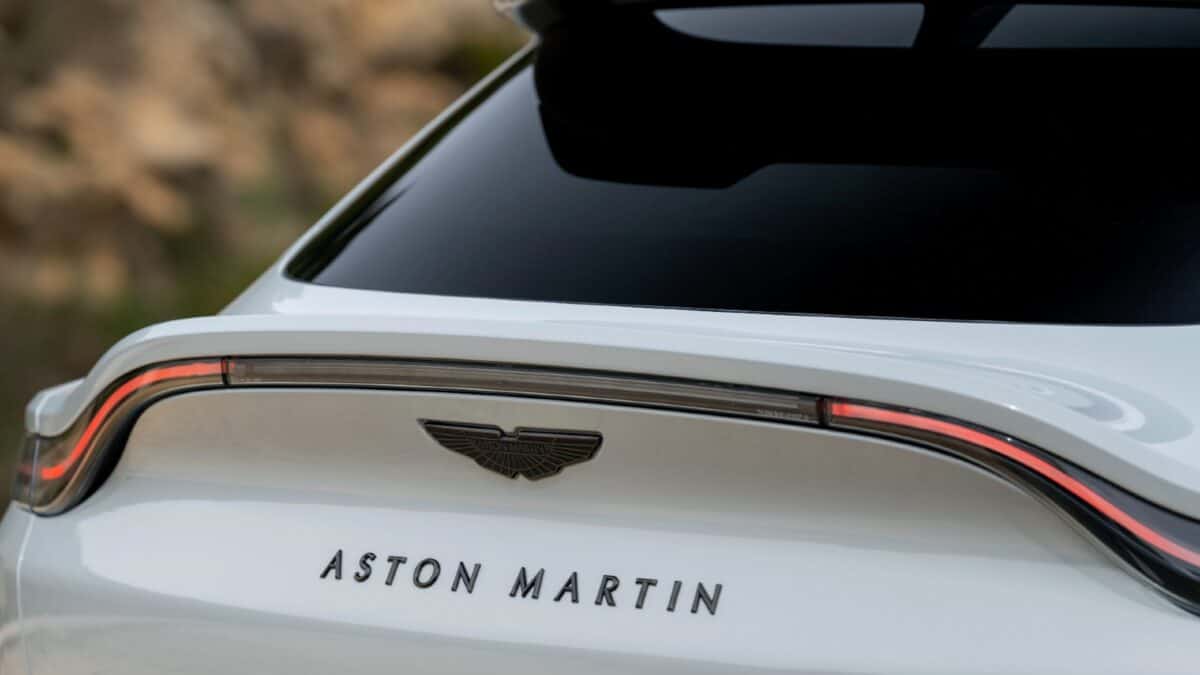
How can the shares of a luxury carmaker like Aston Martin Lagonda (LSE: AML) sell for pennies? After all, Porsche Automobil Holding has a share price of over €36, while US-listed Ferrari shares change hands for $342 apiece. Yet the Aston Martin share price is just a few pennied from its all-time low, at around 61p!
Given how valuable some luxury carmakers can be – and Aston Martin’s legendary brand and deep-pocketed customer base – could the current share price turn out to be a potential bargain for a long-term shareholder like me?
Why a business model matters
It could turn out to be a bargain. But it might also turn out to be like setting money alight.
After all, the Aston Martin share price has already shed 92% in five years.
Sometimes people talk about ‘business models’ and not everyone sees the relevance. Surely if you have people lining up to buy a very expensive item like an Aston Martin, they figure, that must be a good business?
Not necessarily – and this is where the business model matters.
Aston Martin does have real strengths: its marque is unique, storied, and prestigious. But the current business model is simply not working.
In the most recent quarter, for example, its operating loss was £191m. So it actually lost a lot of money from the activity of making and selling cars, even at a high price.
On top of that, the already alarming operating loss is not the only concern. The company’s cash-hungry business model means it has £1.4bn of net debt.
It costs money just to service that debt, let alone reduce it. Plus there are other non-operating expenses. So taken altogether, Aston Martin lost over a quarter of a billion pounds in its most recent quarter alone. Ouch.
Can the business be fixed?
The past few years have seen the company burn through cash like nobody’s business. It has repeatedly diluted existing shareholders to raise more funds. I see a risk that could happen again.
So, could anything help the Aston Martin share price gain ground?
To repay the debt without further diluting shareholders I think the fundamental business model needs to be fixed as a first step.
It is possible. The company’s well-heeled client base could keep splashing the cash even in a tight economy. Selling more vehicles should bring economies of scale. Aston Martin’s brand also gives it pricing power: it has done a good job in recent years of pushing up prices.
But I feel management has a lot to prove. The past few years have seen Aston Martin lose money hand over fist despite having the same advantages I mentioned above.
Until the business model is proven and there is at least some sign of the net debt being meaningfully reduced, I would not touch Aston Martin regardless of its share price.
I do not know if that day may ever come, but it is certainly not here yet.
Meanwhile, there are plenty of other carmakers for me to look at in the market, from Porsche and Ferrari to electric vehicle specialists like Tesla, NIO, and BYD.