Passive income? Here’s the real magic of owning dividend shares

Dividend shares can be great investments. But the secret to success comes from looking past the cash the company pays out to shareholders.

| More on:
Shot of an young mixed-race woman using her cellphone while out cycling through the city

Image source: Getty Images

You’re reading a free article with opinions that may differ from The Motley Fool’s Premium Investing Services. Become a Motley Fool member today to get instant access to our top analyst recommendations, in-depth research, investing resources, and more. Learn More.

Dividend shares are popular with passive income investors – and it’s easy to see why. They offer investors a chance to generate better cash returns than they can get from savings.

This, however, isn’t the real reason dividend stocks are brilliant. The cash they return is the bit a lot of investors see, but the real magic goes on behind the scenes. 

Passive income

Stocks like Unilever (LSE:ULVR) are popular choices with passive income investors and it’s easy to see why. The firm has a strong long-term record of consistent dividend payments.

Over the last 10 years, the company has returned £14.14 per share in dividends to investors. Based on where the stock was trading a decade ago, that’s a 47% return – or 4.7% a year. 

This might not sound spectacular, but UK interest rates back in December 2015 were 0.5%. So Unilever’s dividend returns have far exceeded what someone could have got from cash.

This, however, isn’t why the stock has been a great investment over the last 10 years. Investors have certainly done well, but the impressive bit is how the firm has generated these returns.

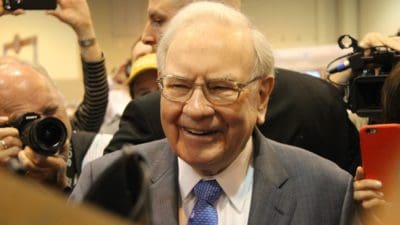
Warren Buffett

One of the things Warren Buffett emphasises about investing is that the thing to focus on is the underlying business, not just the stock. And I think something similar is true of dividends.

The reason Unilever has been a great investment isn’t the fact that it has consistently paid dividends to shareholders. It’s the fact that the company has generated the cash to do this.

With dividend stocks, investors often concentrate on the cash coming out of the business. But the important bit is the cash going in – that’s where the returns ultimately come from. 

Unilever’s impressive dividend record is a reflection of the firm’s unique competitive strength. And the question investors need to focus on is how durable this might be going forward.

Competitive strengths

Unilever operates in a challenging industry. Customers can switch from one product to another very easily and this creates an ongoing threat for the firm to contend with.

Importantly, though, the company has some outstanding brands and a vast distribution network. And investors can see the effects of this in the firm’s financial performance. 

According to its latest results, Unilever generates £8.9bn in operating income using £9.6bn in fixed assets. That’s a 93% annual return on its investments in property and equipment.

Compared with the likes of Kraft Heinz (62%), PepsiCo (39%), and even Procter & Gamble (85%), that’s outstanding. So the question for investors is whether or not this can continue.

Where the magic comes from

There aren’t many ways to earn a 93% annual return on investments in property, plant, and equipment. And this is what drives Unilever’s ability to pay consistent dividends.

Finding a company that can do this – or something like it – is crucial for dividend investors. Whether it’s growth or passive income, this is what matters over the long term.

This comes down to finding businesses with unique strengths. And while Unilever is one example that’s worth considering, it’s not the only one.


Stephen Wright has positions in Unilever. The Motley Fool UK has recommended Unilever. Views expressed on the companies mentioned in this article are those of the writer and therefore may differ from the official recommendations we make in our subscription services such as Share Advisor, Hidden Winners and Pro. Here at The Motley Fool we believe that considering a diverse range of insights makes us better investors.

More on Investing Articles

Abstract 3d arrows with rocket
Growth Shares

Will the SpaceX IPO send this FTSE 100 stock into orbit?

How can British investors get exposure to SpaceX? Here is one FTSE 100 stock that might be perfect for those…

Read more »

Array of piggy banks in saturated colours on high colour contrast background
Investing Articles

Could drip-feeding £500 into the FTSE 250 help you retire comfortably?

Returns from FTSE 250 shares have rocketed to 10.6% over the last year. Is now the time to plough money…

Read more »

Passive and Active: text from letters of the wooden alphabet on a green chalk board
Investing Articles

How much does one need in an ISA for £2,056 monthly passive income?

The passive income potential of the Stocks and Shares ISA is higher than perhaps all other investments. Here's how the…

Read more »

Finger clicking a button marked 'Buy' on a keyboard
Investing Articles

The best time to buy stocks is when they’re cheap. Here’s 1 from my list

Buying discounted stocks can be a great way to build wealth and earn passive income. But investors need to be…

Read more »

Bus waiting in front of the London Stock Exchange on a sunny day.
Investing Articles

Martin Lewis just explained the stock market’s golden rule

Unlike cash, the stock market can quietly turn lump sums into serious wealth. So, what’s the secret sauce that makes…

Read more »

Close-up of British bank notes
Investing Articles

£5,000 invested in Greggs shares at the start of 2025 is now worth…

This year's been extremely grim for FTSE 250-listed Greggs -- but having slumped more than 40%, could its shares be…

Read more »

Investing Articles

Looking for shares to buy as precious metals surge? 3 things to remember!

Gold prices have been on a tear. So has silver. So why isn't this writer hunting for shares to buy…

Read more »

British Pennies on a Pound Note
Investing Articles

Up 27% in 2025, might this penny share still be a long-term bargain?

Christopher Ruane's happy that this penny share he owns has done well in 2025. But it's still cheaper now than…

Read more »