BT shares offer a 4.7% dividend yield – but should I buy them for retirement?

BT shares have made some impressive gains this year as upgrade costs fade. But one glaring issue overshadows its strong dividend history.

| More on:

The content of this article was relevant at the time of publishing. Circumstances change continuously and caution should therefore be exercised when relying upon any content contained within this article.

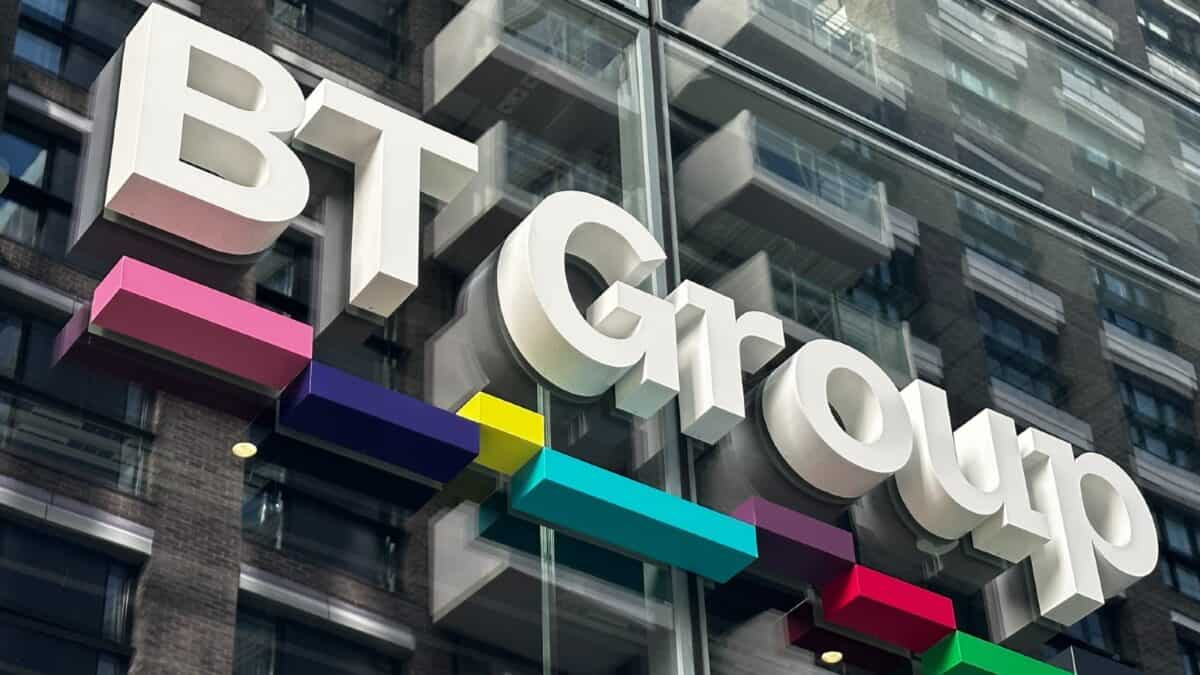
Exterior of BT Group head office - One Braham, London

Image source: BT Group plc

You’re reading a free article with opinions that may differ from The Motley Fool’s Premium Investing Services. Become a Motley Fool member today to get instant access to our top analyst recommendations, in-depth research, investing resources, and more. Learn More.

As the UK’s largest communications provider, BT (LSE: BT.A) shares have long been a staple of UK income portfolios — particularly within retirement portfolios. The company’s commitment to dividend returns has attracted yield-hungry investors for decades.

However, despite its long history as a safe income stream, it may not be as sustainable as many think. With growth slowing since the pandemic, there may be deeper issues that demand closer scrutiny.

So is BT still worth considering as part of a retirement portfolio? Let’s find out.

An alluring yield

When it comes to income stocks, the dividend yield is typically the main factor that investors look at. In BT’s case, the current 4.7% yield is higher than the FTSE 100 average but lower than it was two years ago. Part of that is due to the 48% price increase in the past five years — but dividend growth has also slowed.

In previous years, the group typically increased dividends by between 6% and 15% every year. But since reintroducing dividends post-Covid in 2022, they’ve only grown 5.6%. In many cases, dividend growth (or lack thereof) is a litmus test for a company’s wider financial picture.

So what’s going on?

For retirement-focused investors seeking passive income, BT still has a lot to offer. It’s a very well-established company with a massive brand following and dominant market position.

What’s more, it outlined a clear dividend growth forecast strategy through 2028, suggesting modest but consistent increases ahead. For investors looking for a consistent passive income stream from a reliable company, that makes it worth considering.

But while these accolades are impressive, they also mask some troubling underlying dynamics.

Cause for concern

With dividend payments accounting for 84.2% of earnings, coverage is far below the recommended levels. Adding to the worries is persistent revenue decline, towering debt levels, and £800m in annual pension obligations. The combination of those factors puts a lot of pressure on BT’s finances — and when finances are tight, dividends are often the first thing to be cut.

However, there’s one silver-lining. The company’s financials reveal strong free cash flow — enough to cover dividend payments 8.5 times over. Unless that suddenly changes, there’s no reason to fear a dividend cut in the near future. That doesn’t mean it won’t happen but if those numbers are correct, it significantly reduces the risk.

The bottom line

BT Group has a relatively strong dividend history but one that’s clearly vulnerable to economic downturns. Previous cuts occurred after the dotcom bubble, the 2008 financial crisis, and the pandemic.

However, in between these periods, dividends were increased almost every year without pause. As such, I wouldn’t expect an imminent dividend cut (barring another market crash or similarly severe downturn). But while its cash coverage and reliable track record add confidence, the debt and pension obligations are too big a risk, in my opinion.

Risk-averse retirement investors may prefer to consider companies with better earnings coverage, more stable revenue and lower debt. Remember, the yield isn’t ‘free money,’ but rather compensation for taking on investment risk.

In the current environment, that 4.7% yield may ultimately prove more volatile than the alternative of seeking income from more defensible, higher-quality dividend payers.


Mark Hartley has no position in any of the shares mentioned. The Motley Fool UK has no position in any of the shares mentioned. Views expressed on the companies mentioned in this article are those of the writer and therefore may differ from the official recommendations we make in our subscription services such as Share Advisor, Hidden Winners and Pro. Here at The Motley Fool we believe that considering a diverse range of insights makes us better investors.

More on Investing Articles

Investing Articles

£15,000 yearly passive income: how big an ISA do you need?

£15,000 a year in passive income sounds impressive, but how big does an ISA need to be to support it…

Read more »

Tesla building with tesla logo and two teslas in front
Investing Articles

As the company changes course, is Tesla stock a long-term bargain — or a value trap?

Were Tesla's recent full-year results a case of glass half full, or glass half empty? Christopher Ruane shares his take…

Read more »

A pastel colored growing graph with rising rocket.
Investing Articles

With a 5.1% yield and P/E ratio of 13, is this FTSE 250 share a bargain hiding in plain sight?

This FTSE 250 share trades for 13 times earnings, but it has proven growth potential -- and a tasty dividend…

Read more »

Stack of British pound coins falling on list of share prices
Investing Articles

10.6%+ yields! What’s going on with these unusually high yield UK shares?

A handful of UK shares offer double-digit dividend yields -- and they're all in the same field. What's going on?…

Read more »

Investing Articles

Here’s a FTSE 100 share that I think could beat Rolls-Royce in 2026

Our writer explores whether this could be the best stock to supercharge a FTSE 100 portfolio and capture gains from…

Read more »

Rolls-Royce Hydrogen Test Rig at Loughborough University
Investing Articles

The paradoxical nature of Rolls-Royce shares in 2026

Mark Hartley unpacks the economic anamoly that is Rolls-Royce shares and attempts to analyse the pros and cons of this…

Read more »

Bus waiting in front of the London Stock Exchange on a sunny day.
Growth Shares

This FTSE 100 growth stock sits at a 52-week low. Time to consider buying?

Is the huge tumble in the share price of this FTSE 100 growth stock a wonderful opportunity for new investors?…

Read more »

Young woman holding up three fingers
Investing Articles

£5,000 put into the FTSE 100’s top 3 dividend shares today could earn this much in 5 years…

If someone spread £5k evenly over the FTSE 100's three highest-yielding shares today and did nothing for five years, what…

Read more »