To build a passive income flow, I’d follow this Warren Buffett approach

Warren Buffett has set up passive income streams most people can only dream about. Our writer sees some practical lessons he too can apply.

| More on:

The content of this article was relevant at the time of publishing. Circumstances change continuously and caution should therefore be exercised when relying upon any content contained within this article.

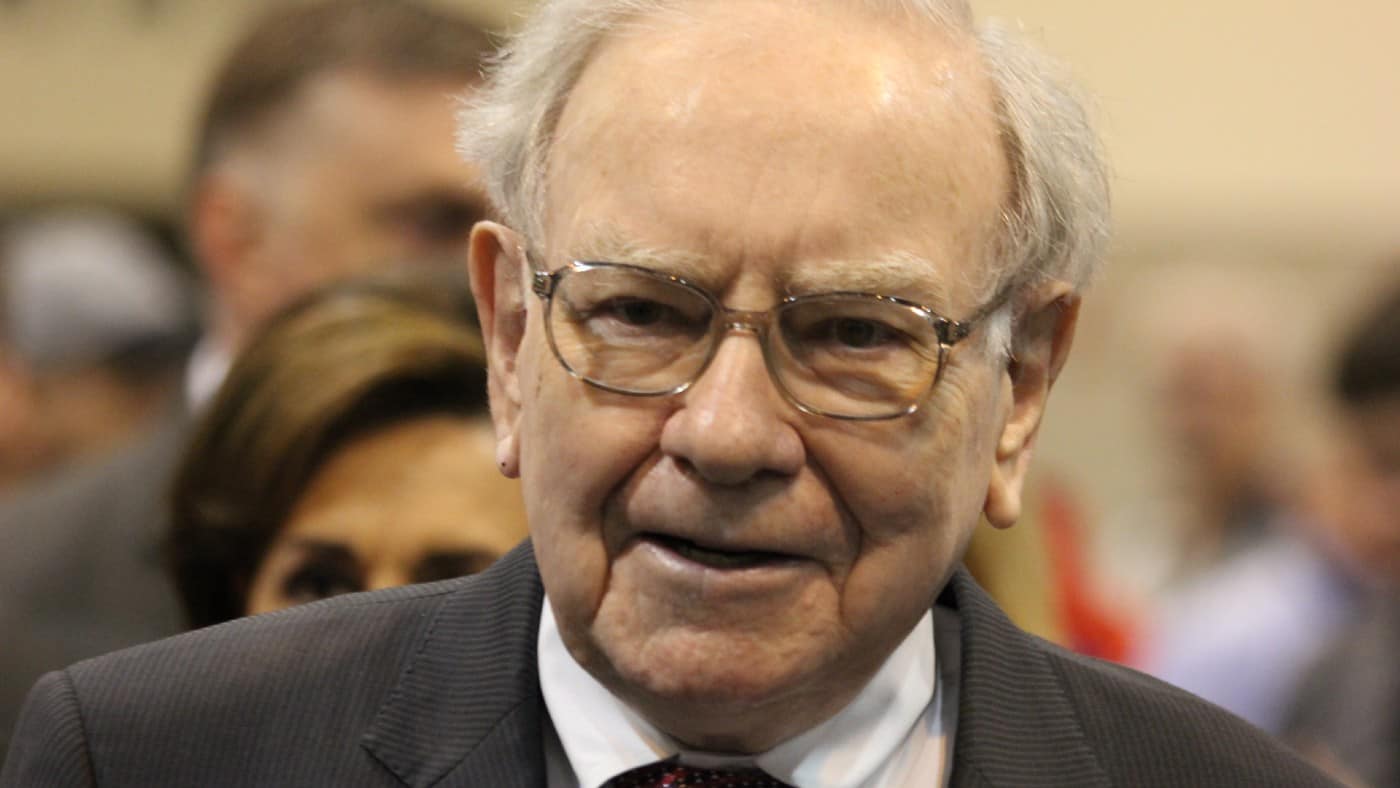
Warren Buffett at a Berkshire Hathaway AGM

Image source: The Motley Fool

You’re reading a free article with opinions that may differ from The Motley Fool’s Premium Investing Services. Become a Motley Fool member today to get instant access to our top analyst recommendations, in-depth research, investing resources, and more. Learn More.

When it comes to passive income, few people have mastered it like Warren Buffett. The legendary investor’s company Berkshire Hathaway generates billions of pounds each year without doing anything for it beyond holding shares in blue-chip businesses such as Apple and Coca-Cola.

Although Buffett has far more resources at his disposal than any small private investor, I still believe the lessons from how he does what he does can be profitably applied even on a much more modest scale.

Sticking to a proven recipe

For example, Buffett is not really an innovator. Nor is he a trader, frequently jumping in and out of shares trying to make a quick profit.

Rather, he does a fairly simple thing – and does it well. He identifies companies he understands and thinks have excellent long-term commercial prospects and are trading at attractive share prices. Then he buys them and often holds them for the long term, hoping that if he has chosen correctly he will be rewarded with dividends, share price growth, or both.

That is a simple, but potentially very powerful, passive income idea.

Putting the theory into practice

When Buffett gets dividends, he does not use them to fund payouts to Berkshire shareholders. Instead, he reinvests them. That simple move can be used by small shareholders, by compounding their dividends.

Imagine I invested £300 each month in income shares and compounded at 7% annually, thanks to reinvesting dividends. After a decade, I would already have a portfolio throwing off £3,600 each year in dividends.

I could keep compounding like Buffett does, or start drawing it as passive income.

One income share to consider

As an example, one share I think dividend-focused investors should consider is insurer Aviva (LSE: AV). The FTSE 100 firm cut its dividend in 2020 but has since been steadily raising it again. Currently, the yield stands very close to my example above, at 7.1%.

In practice, like Buffett, I always keep my portfolio diversified across different shares. That means I may still hit an average target yield even though some shares I own offer more and others less.

The insurance market is huge and I see no reason for that to change. Some insurance is mandatory, while a lot of it is voluntary but customers buy it year after year. That attractive level of demand makes for a highly competitive industry. One risk I see for Aviva is smaller rivals trying to chip into its strong market position by offering more competitive prices, meaning it could lose customers.

Its large customer base is in fact one of the things I like about Aviva. I also think its strong brand and deep experience in what is a complex industry can help it perform competitively.  

C Ruane has no position in any of the shares mentioned. The Motley Fool UK has no position in any of the shares mentioned. Views expressed on the companies mentioned in this article are those of the writer and therefore may differ from the official recommendations we make in our subscription services such as Share Advisor, Hidden Winners and Pro. Here at The Motley Fool we believe that considering a diverse range of insights makes us better investors.

More on Investing Articles

Investing Articles

The key number that could signal a recovery for the Greggs share price in 2026

The Greggs share price has crashed in 2025, but is the company facing serious long-term challenges or are its issues…

Read more »

Rolls-Royce's Pearl 10X engine series
Investing Articles

Can the Rolls-Royce share price hit £16 in 2026? Here’s what the experts think

The Rolls-Royce share price has been unstoppable. Can AI data centres and higher defence spending keep the momentum going in…

Read more »

Businessman with tablet, waiting at the train station platform
Investing Articles

Up 150% in 5 years! What’s going on with the Lloyds share price?

The Lloyds share price has had a strong five years. Our writer sees reasons to think it could go even…

Read more »

Investing Articles

Where will Rolls-Royce shares go in 2026? Here’s what the experts say!

Rolls-Royce shares delivered a tremendous return for investors in 2025. Analysts expect next year to be positive, but slower.

Read more »

Emma Raducanu for Vodafone billboard animation at Piccadilly Circus, London
Investing Articles

Up 40% this year, can the Vodafone share price keep going?

Vodafone shareholders have been rewarded this year with a dividend increase on top of share price growth. Our writer weighs…

Read more »

Buffett at the BRK AGM
Investing Articles

Here’s why I like Tesco shares, but won’t be buying any!

Drawing inspiration from famed investor Warren Buffett's approach, our writer explains why Tesco shares aren't on his shopping list.

Read more »

Investing For Beginners

If the HSBC share price can clear these hurdles, it could fly in 2026

After a fantastic year, Jon Smith points out some of the potential road bumps for the HSBC share price, including…

Read more »

Investing Articles

I’m thrilled I bought Rolls-Royce shares in 2023. Will I buy more in 2026?

Rolls-Royce has become a superior company, with rising profits, buybacks, and shares now paying a dividend. So is the FTSE…

Read more »