10%+ yield! Is this the greatest income share in the FTSE 250?

With a double-digit dividend yield, could this FTSE 250 share be the most attractive option for our writer to add to his income portfolio at the moment?

| More on:

The content of this article was relevant at the time of publishing. Circumstances change continuously and caution should therefore be exercised when relying upon any content contained within this article.

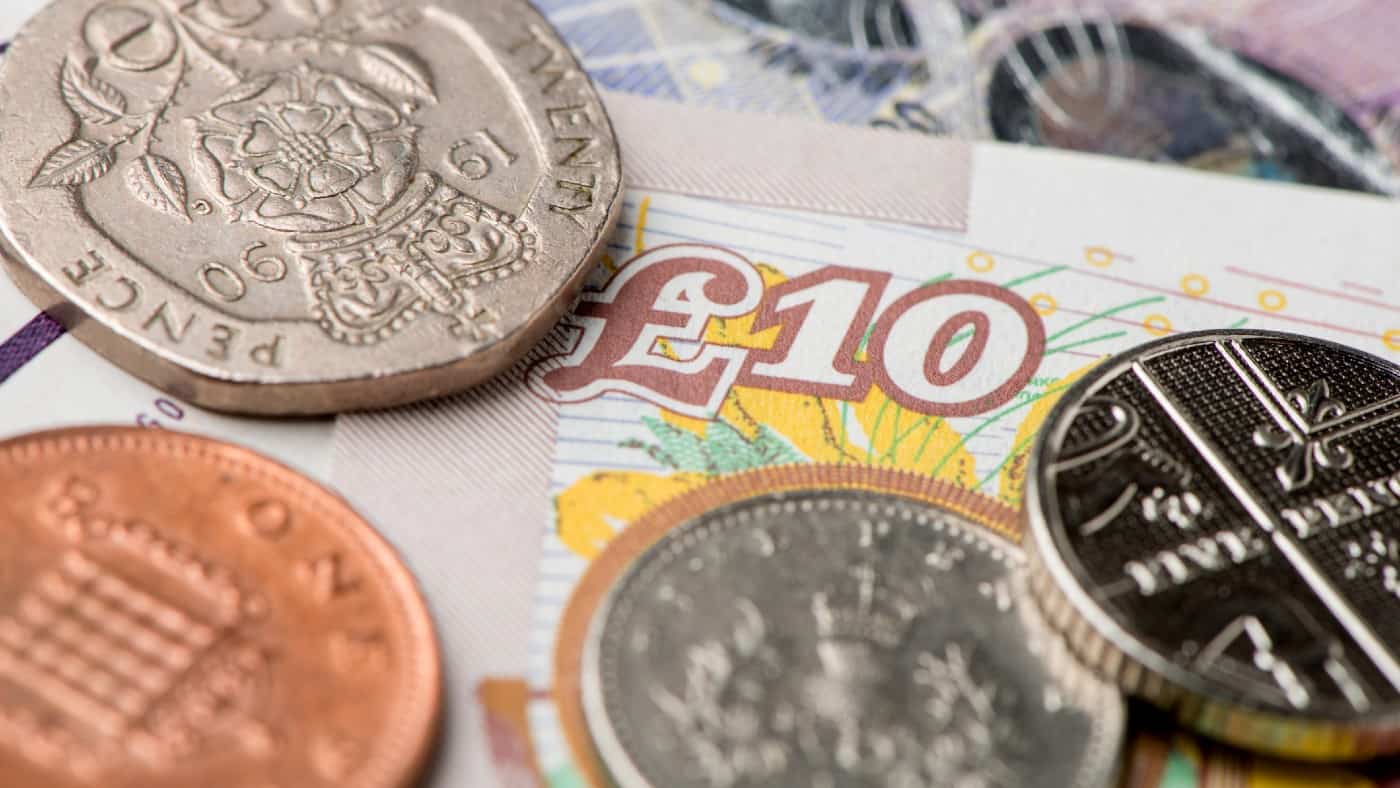
British bank notes and coins

Image source: Getty Images

You’re reading a free article with opinions that may differ from The Motley Fool’s Premium Investing Services. Become a Motley Fool member today to get instant access to our top analyst recommendations, in-depth research, investing resources, and more. Learn More.

As an investor, I like long-term share price growth. Along the way though, I am happy to earn passive income streams in the form of dividends. Indeed, dividends are one of my main reasons to  invest in some FTSE 100 and FTSE 250 companies.

Looking across the FTSE 250 at the moment, one of the companies with the highest dividend yield is NextEnergy Solar Fund (LSE: NESF). At the moment, the yield is 10.4%.

That means if the dividend per share is maintained at its current level, investing £100 today would hopefully earn me £10.40 in dividends each year.

So should I go for it?

Always look at the source of income – and sustainability

When considering adding an income share to my portfolio, I always look not only at what it pays now but what I think it is likely to pay in future.

After all, dividends are never guaranteed. One of the top dividend payers in the FTSE 250 today may not maintain that status in future (for a recent example, consider Diversified Energy and its recent dividend cut).

NextEnergy’s current yield is based on its most recent quarterly dividend level, which at 2.1p was a small step up from the level paid out last year. Indeed, the share has increased its annual dividend per share each years for a few years in a row now.

Last year though, saw the business swing from a £48m post-tax profit to an £8m loss.

This year, it has said it is targeting a dividend of 8.43p per ordinary share. That would be a modest rise over last year’s total – but still a rise. It expects to cover that dividend between 1.1 and 1.3 times. That is narrow coverage – but it is coverage nonetheless.

Debt-heavy balance sheet

Some of the moves the company has been making could help it improve future dividend coverage. For example, it has been buying back its own shares. Not only should that reduce the total amount it needs to spend on dividends in future, but it could also be value-creating at the FTSE 250 share currently sells for a discount of around 19% to its net asset value.

That sort of discount is not exceptional. But it is still high and does give me pause for thought. So too does NextEnergy’s balance sheet. Ignoring its preference shares, the company has £327m of debt. Against a market capitalisation of £473m that looks uncomfortably high to me.

If NextEnergy can return firmly to profitability I would feel more comfortable about the long-term prospects for its dividend. Narrowing the discount to net asset value could help shareholders, while asset sales could help sustain the dividend in the short and medium terms.

Set against that though, are the risks that come with high debt levels. Selling assets helps the balance sheet for now, but has longer-term implications for the dividend.

So although I like its yield, the long-term outlook here makes me think NextEnergy Solar fund is not the best FTSE 250 income share I could own and will not be buying it.

C Ruane has no position in any of the shares mentioned. The Motley Fool UK has no position in any of the shares mentioned. Views expressed on the companies mentioned in this article are those of the writer and therefore may differ from the official recommendations we make in our subscription services such as Share Advisor, Hidden Winners and Pro. Here at The Motley Fool we believe that considering a diverse range of insights makes us better investors.

More on Investing Articles

Young Caucasian man making doubtful face at camera
Dividend Shares

Will the Diageo share price crash again in 2026?

The Diageo share price has crashed 35.6% over one year, making it one of the FTSE 100's worst performers in…

Read more »

Investing Articles

Is Alphabet still one of the best shares to buy heading into 2026?

The best time to buy shares is when other investors are seeing risks. Is that the case with Google’s parent…

Read more »

Investing Articles

Could the Barclays share price be the FTSE 100’s big winner in 2026?

With OpenAI and SpaceX considering listing on the stock market, could investment banking revenues push the Barclays share price higher…

Read more »

Investing Articles

Will the Nvidia share price crash in 2026? Here are the risks investors can’t ignore

Is Nvidia’s share price in danger in 2026? Stephen Wright outlines the risks – and why some might not be…

Read more »

Middle-aged white man pulling an aggrieved face while looking at a screen
Growth Shares

I asked ChatGPT how much £10,000 invested in Lloyds shares 5 years ago is worth today? But it wasn’t very helpful…

Although often impressive, artificial intelligence has its flaws. James Beard found this out when he used it to try and…

Read more »

Portrait of pensive bearded senior looking on screen of laptop sitting at table with coffee cup.
Investing Articles

Did ChatGPT give me the best FTSE stocks to buy 1 year ago?

ChatGPT can do lots of great stuff, but is it actually any good at identifying winning stocks from the FTSE…

Read more »

Surprised Black girl holding teddy bear toy on Christmas
Investing Articles

Who will be next year’s FTSE 100 Christmas cracker?

As we approach Christmas 2025, our writer identifies the FTSE 100’s star performer this year. But who will be number…

Read more »

Businessman with tablet, waiting at the train station platform
Investing Articles

I asked ChatGPT for an 8%-yielding passive income portfolio of dividend shares and it said…

Mark Hartley tested artificial intelligence to see if it understood how to build an income portfolio from dividend shares. He…

Read more »