No savings? Here’s how I’d use the Warren Buffett method to earn passive income

Warren Buffett has been buying passive income stocks without using Berkshire Hathaway’s savings. Here’s how I’d plan to do the same thing.

| More on:

The content of this article was relevant at the time of publishing. Circumstances change continuously and caution should therefore be exercised when relying upon any content contained within this article.

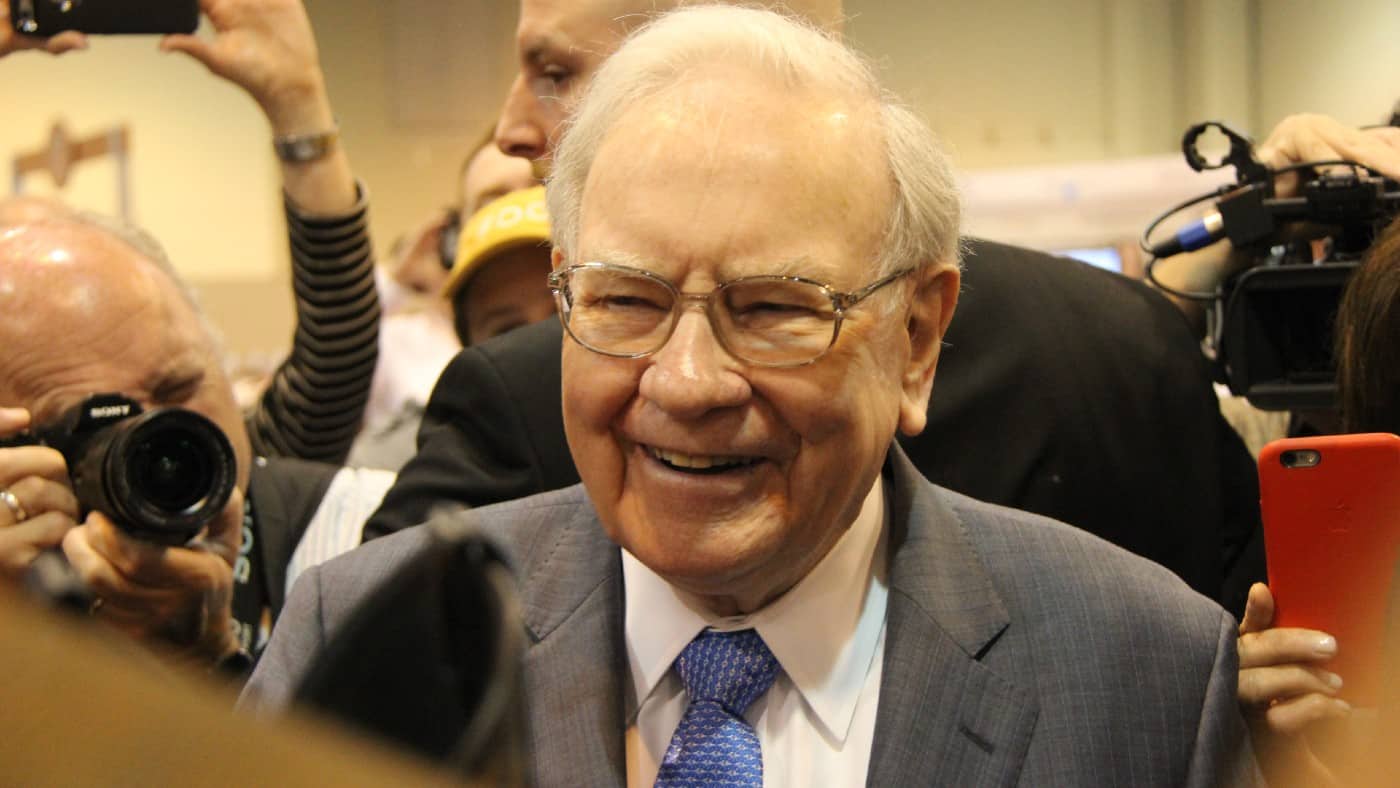
Warren Buffett at a Berkshire Hathaway AGM

Image source: The Motley Fool

You’re reading a free article with opinions that may differ from The Motley Fool’s Premium Investing Services. Become a Motley Fool member today to get instant access to our top analyst recommendations, in-depth research, investing resources, and more. Learn More.

Warren Buffett is one of the best investors to learn from. And the Berkshire Hathaway (NYSE:BRK.B) CEO has a distinctive approach to generating passive income. 

Berkshire is well-known for its massive cash pile that is used to fund investments. But Buffett’s most recent moves have left the company’s savings pot untouched.

Dividend stocks

Since 2020, Berkshire has been investing in shares of Japanese trading houses. And earlier this week, the company announced it had increased its stake to around 8.5% of each business.

At the most recent annual meeting, Buffett stated that he thought the businesses had good prospects and paid attractive dividends. This makes them attractive for income investors. 

Importantly, though, Buffett didn’t raid Berkshire’s savings to finance the deals. Instead, the company issued bonds denominated in Japanese yen and used the proceeds to make the investments. 

Berkshire’s bonds carry a 0.7% coupon. But the companies it has invested in have dividend yields between 2.4% and 4.2%. 

In other words, as long as the trading houses don’t lower their dividends (or cut them entirely), Berkshire stands to make a profit. It pays out 0.7% and gets back between 2.4% and 4.2% each year.

Risk

If the businesses are as predictable as Buffett thinks, this looks like a decent deal. But why use debt to finance the deal instead of Berkshire’s available cash?

The answer is it removes some of the risk. If the value of the yen against the dollar goes down over time, Berkshire’s returns might be lower when converted back to US currency.

Issuing bonds in Japanese currency reduces this risk. This way, if the yen weakens against the dollar, the value of the interest Berkshire pays on its debt goes down as well.

Buffett’s investment is a way of earning passive income without using savings. By issuing debt, Berkshire can keep the difference between the dividends it receives and the interest it pays.

This is all well and good for an investor like Buffett, but I don’t have the ability to issue debt in Japanese yen and I certainly can’t raise cash at 0.7% interest. So what can someone like me do?

Berkshire Hathaway

Berkshire’s size and the strength of its balance sheet gives it opportunities that aren’t available to ordinary investors like me. But there is something I can do to join the action.

By buying Berkshire Hathaway shares, I can own part of Buffett’s business. That way, when the Oracle of Omaha does a deal, I stand to benefit as well.

According to Buffett, Berkshire’s size is more of a hindrance than a help. And there’s a risk the company might struggle to achieve significant growth going forward.

I think, though, that there’s more opportunity than danger. Berkshire is a unique business and this provides unique opportunities.

In my view, the best way for an investor like me to invest like Warren Buffett is to invest with Warren Buffett. And that involves using part of my monthly income to buy shares in Berkshire Hathaway.


Stephen Wright has positions in Berkshire Hathaway. The Motley Fool UK has no position in any of the shares mentioned. Views expressed on the companies mentioned in this article are those of the writer and therefore may differ from the official recommendations we make in our subscription services such as Share Advisor, Hidden Winners and Pro. Here at The Motley Fool we believe that considering a diverse range of insights makes us better investors.

More on Investing Articles

Investing Articles

The key number that could signal a recovery for the Greggs share price in 2026

The Greggs share price has crashed in 2025, but is the company facing serious long-term challenges or are its issues…

Read more »

Rolls-Royce's Pearl 10X engine series
Investing Articles

Can the Rolls-Royce share price hit £16 in 2026? Here’s what the experts think

The Rolls-Royce share price has been unstoppable. Can AI data centres and higher defence spending keep the momentum going in…

Read more »

Businessman with tablet, waiting at the train station platform
Investing Articles

Up 150% in 5 years! What’s going on with the Lloyds share price?

The Lloyds share price has had a strong five years. Our writer sees reasons to think it could go even…

Read more »

Investing Articles

Where will Rolls-Royce shares go in 2026? Here’s what the experts say!

Rolls-Royce shares delivered a tremendous return for investors in 2025. Analysts expect next year to be positive, but slower.

Read more »

Emma Raducanu for Vodafone billboard animation at Piccadilly Circus, London
Investing Articles

Up 40% this year, can the Vodafone share price keep going?

Vodafone shareholders have been rewarded this year with a dividend increase on top of share price growth. Our writer weighs…

Read more »

Buffett at the BRK AGM
Investing Articles

Here’s why I like Tesco shares, but won’t be buying any!

Drawing inspiration from famed investor Warren Buffett's approach, our writer explains why Tesco shares aren't on his shopping list.

Read more »

Investing For Beginners

If the HSBC share price can clear these hurdles, it could fly in 2026

After a fantastic year, Jon Smith points out some of the potential road bumps for the HSBC share price, including…

Read more »

Investing Articles

I’m thrilled I bought Rolls-Royce shares in 2023. Will I buy more in 2026?

Rolls-Royce has become a superior company, with rising profits, buybacks, and shares now paying a dividend. So is the FTSE…

Read more »