Can the Deliveroo share price recover from penny stock levels?

Can the Deliveroo share price recover from penny stock levels, with soaring high inflation and pandemic tailwinds gone?

| More on:

The content of this article was relevant at the time of publishing. Circumstances change continuously and caution should therefore be exercised when relying upon any content contained within this article.

You’re reading a free article with opinions that may differ from The Motley Fool’s Premium Investing Services. Become a Motley Fool member today to get instant access to our top analyst recommendations, in-depth research, investing resources, and more. Learn More.

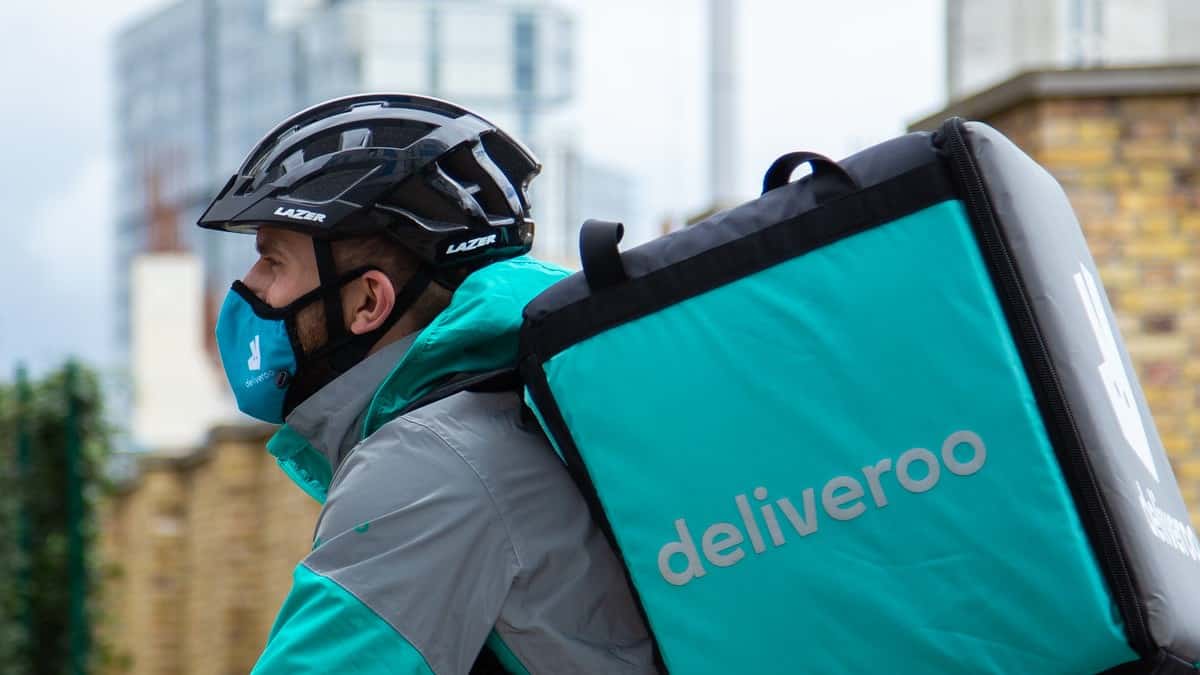
A Deliveroo rider on the move

Image: Deliveroo

Key Points
  • Despite a decent set of Q1 results, the Deliveroo share price continues to fall.
  • I think the new partnership with McDonald's is going to boost Deliveroo's top line.
  • A potential recession could delay profitability timeline.

Since the company’s initial public offering, the Deliveroo (LSE: ROO) share price has plummeted by more than 70%. The shares are currently trading for less than £1, which makes me wonder whether they can recover from these levels.

Deliveroo results

Despite reporting a decent set of Q1 results, the Deliveroo share price continues to fall. Orders, gross transaction value (GTV), monthly active customers (MAC), and average monthly order frequency all saw healthy increases. And although GTV per order saw a decline, this was attributed to the artificial spike from the pandemic, as the figure actually returned to pre-pandemic levels.

Deliveroo Metrics for Q120212022
Orders70m82m
GTV£1,616m£1,787m
GTV per Order£23.20£21.70
MAC7.1m8.1m
Average Monthly Order Frequency3.33.4
Source: Deliveroo Q1 Trading Update

Based on the data, it seems to me that Deliveroo’s business is more volume-based than quality-based. As such, its focus will be to recruit more customers, rather than getting customers to spend more per order.

Hopping to great heights

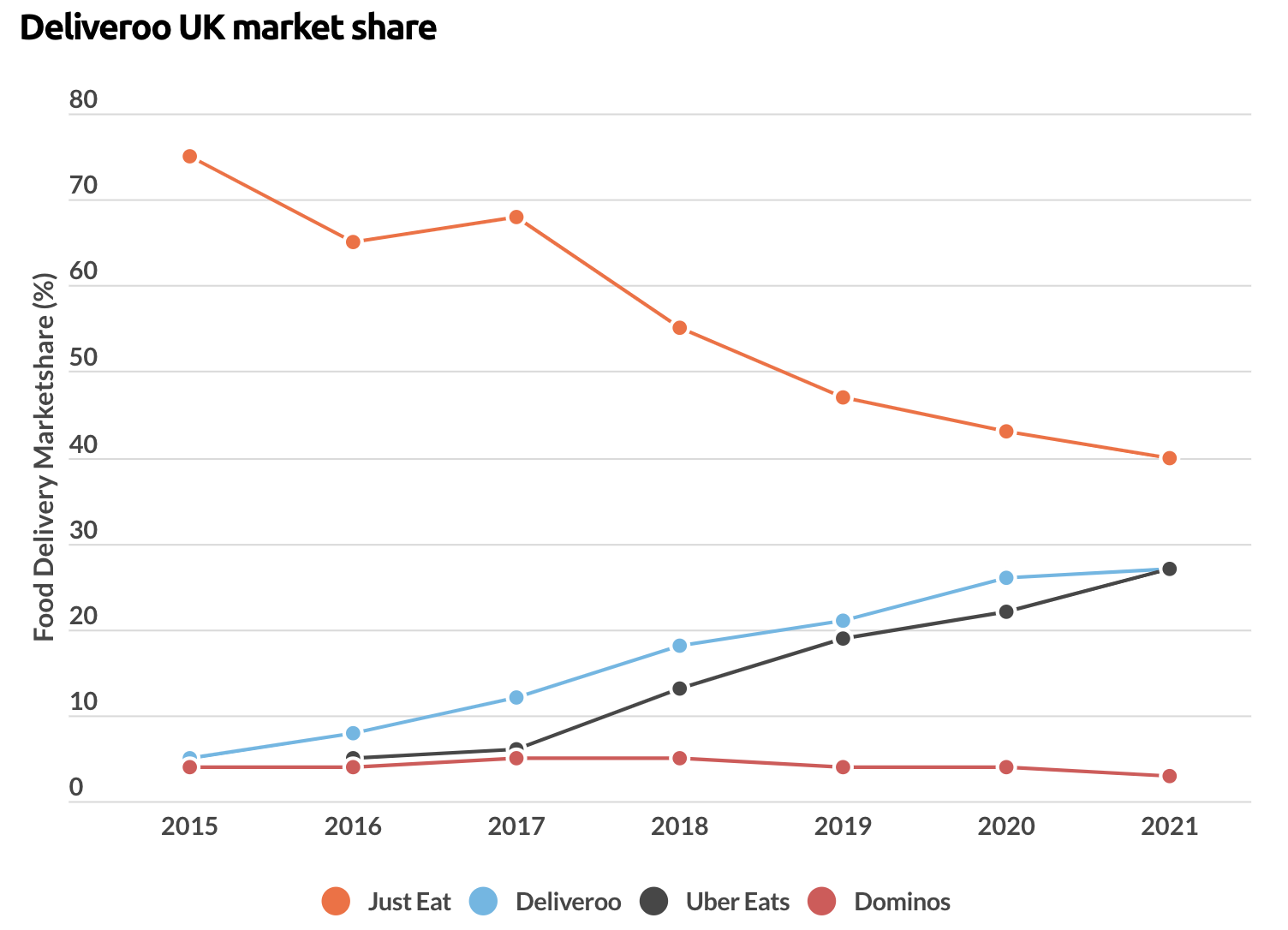
Since 2015, Deliveroo’s UK market share has grown to an impressive 22% from 5%. The food delivery service has managed to continue snatching market share away from its biggest competitor, Just Eat, and looks towards possibly overtaking in the future.
Source: Food Delivery App Report 2022

One of the main reasons for Deliveroo’s aggressive growth has been its key partnerships. In the last year, it has partnered with the likes of WH Smith, Sainsbury’s, Waitrose, Morrisons, and Carrefour. These partnerships have allowed the firm to deliver fresh groceries and even appliances, thus expanding its product offering.

Not to mention, its strategic collaboration with Amazon has provided a surge of new customers. Amazon Prime users are eligible for free Deliveroo Plus perks, such as free delivery. As a result, Deliveroo saw its MAC increase by a million over the last year.

More excitingly, the firm recently announced a new partnership with McDonald’s, with a roll out expected in Q2 2022. Given that McDonald’s contributed to over 60% of Uber Eats’ sales in 2020, I have no doubt that the fast food chain is going to boost Deliveroo’s top line.

Cash-rich pouch

All that being said, Deliveroo has got to buckle up. The company no longer enjoys pandemic tailwinds as workers return to the office, and inflation continues to run rampant. Real wages are continuing to decline and a recession is being pencilled in for later this year.

Fortunately, Deliveroo sits on a large pile of cash at £1.3bn with zero debt. It only burnt through £224m in 2021, giving it a cash runway of about 5.8 years. Given that management expects to achieve breakeven on an adjusted EBITDA margin by 2024, this shouldn’t be a problem. However, a potential recession could push its timeline backwards and sour investor sentiment even further.

Although Deliveroo expects to be profitable by 2026, a 6% EBITDA margin is rather slim. Moreover, it faces tough competition from Uber Eats, which recently launched its own free delivery subscription to compete with Deliveroo Plus.

Analysts aren’t forecasting Deliveroo to be profitable within the next three years either. Therefore, I’m not expecting the Deliveroo share price to recover from penny stock levels any time soon. So, even though Deliveroo’s partnerships bring exciting times ahead, I’m not a fan of its low-margin business model, nor its shares for the time being.


John Choong has no position in any of the shares mentioned at the time of writing. John Mackey, CEO of Whole Foods Market, an Amazon subsidiary, is a member of The Motley Fool’s board of directors. The Motley Fool UK has recommended Amazon, Deliveroo Holdings Plc, Just Eat Takeaway.com N.V., and Sainsbury (J). Views expressed on the companies mentioned in this article are those of the writer and therefore may differ from the official recommendations we make in our subscription services such as Share Advisor, Hidden Winners and Pro. Here at The Motley Fool we believe that considering a diverse range of insights makes us better investors.

More on Investing Articles

Middle-aged white man pulling an aggrieved face while looking at a screen
Market Movers

Down 7%! Why on earth are Imperial Brands shares plummeting today?

Imperial Brands shares are in freefall after a negative reception to fresh trading news. Is the party finally over for…

Read more »

Rear View Of Woman Holding Man Hand during travel in cappadocia
Investing Articles

With a P/E under 7, this value stock looks far too cheap at 101p

This writer reckons value stock Hostelworld (LSE:HSW) looks dirt-cheap as it gets dividends flowing again and builds a social travel…

Read more »

Thoughtful man using his phone while riding on a train and looking through the window
Investing For Beginners

Down 30% in 6 months, I think there’s a big catch to this insanely cheap stock

Jon Smith talks through why careful research is needed when trying to assess if a cheap stock is worth buying…

Read more »

Investing Articles

£5,000 invested in National Grid shares 5 years ago is now worth…

Andrew Mackie takes a closer look at National Grid shares and why short-term market weakness could be missing a powerful…

Read more »

DIVIDEND YIELD text written on a notebook with chart
Investing Articles

How big does an ISA need to be to aim for a £1,500 monthly second income?

Harvey Jones shows how building a balanced portfolio of FTSE 100 dividend stocks can produce a high-and-rising second income in…

Read more »

Person holding magnifying glass over important document, reading the small print
Investing Articles

£20,000 invested in BP shares 1 year ago is now worth…

BP shares have rocketed in the past 12 months, yet analysts think the real growth story is only just beginning,…

Read more »

A pastel colored growing graph with rising rocket.
Investing Articles

A 6.8% forecast yield! 1 often-overlooked FTSE 100 income stock to buy today?

This income stock offers a high forecast yield and strengthening momentum, yet many investors overlook it — creating a rare…

Read more »

GSK scientist holding lab syringe
Investing Articles

GSK’s share price is under £22, but with a ‘fair value’ much higher, is it time for me to buy more right now? 

GSK’s share price rose over the last year, but a huge gap remains between its price and fair value —…

Read more »