Should I buy Unilever shares for less than Warren Buffett?

Warren Buffett attempted to buy Unilever for $143bn. Its current market cap is around $124bn. So, should I buy Unilever shares for less than Buffett?

| More on:

The content of this article was relevant at the time of publishing. Circumstances change continuously and caution should therefore be exercised when relying upon any content contained within this article.

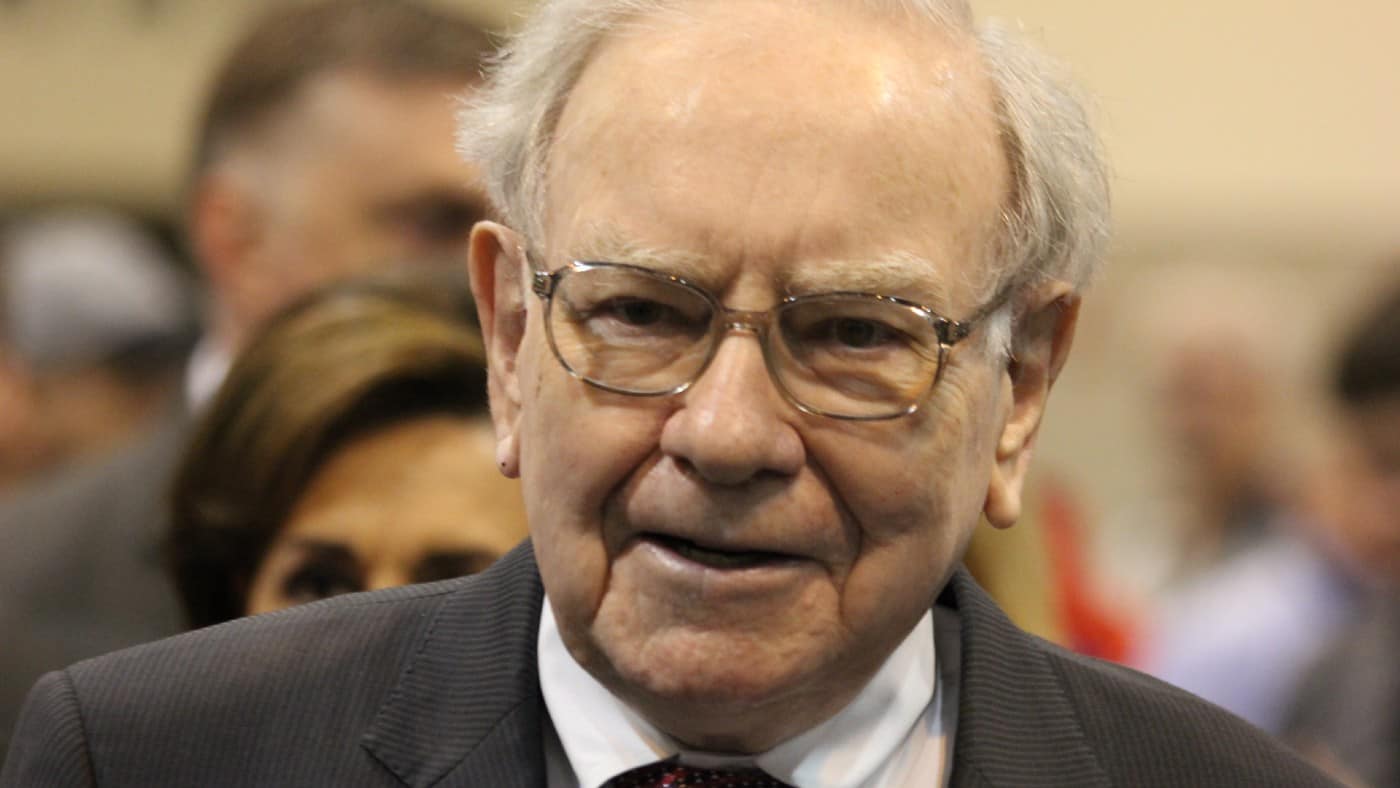
Warren Buffett at a Berkshire Hathaway AGM

Image source: The Motley Fool

You’re reading a free article with opinions that may differ from The Motley Fool’s Premium Investing Services. Become a Motley Fool member today to get instant access to our top analyst recommendations, in-depth research, investing resources, and more. Learn More.

Shares of Unilever (LSE: ULVR) are currently trading 10% lower than where they ended last week. Furthermore, the company’s market cap is about 12.5% lower than it was when Warren Buffett attempted to acquire it in 2017. Despite this, I don’t anticipate making an investment in Unilever shares currently.

At first sight, Unilever shares look cheap. The company currently has a market cap of £91bn, around £5.5bn in cash, and around £35bn in debt. Last year, Unilever produced around £7.5bn in free cash, implying a business return of around 7.12%. I think that looks quite attractive.

The trouble is that Unilever has found growth hard to come by. Over the last decade, Unilever has increased its revenue by a total of 8%, with marginal further improvements at the level of net income. If Unilever continues to grow at the 3%-5% range forecasted by management for the next decade, the result would be an average business return of between 8.35% and 8.95% per year. I think this is okay, but it doesn’t make me want to buy Unilever shares.

In an attempt to boost revenue growth, Unilever’s management has announced an intention to shift the company’s portfolio away from underperforming food categories and towards personal care products, where growth prospects appear more promising. To this end, Unilever recently made a £50bn offer for the consumer products division of GlaxoSmithKline. The deal was rejected but the news sent Unilever shares lower.

Unilever’s plan to pivot towards higher growth categories might work well. GlaxoSmithKline’s management forecasts annual growth in its consumer products division of 4%-6%, so replacing an underperforming food business with Glaxo’s consumer products business should increase the company’s overall growth prospects. But I don’t think that this automatically means that Unilever shares would be a more attractive investment.

There are two considerations that make me hesitant with Unilever shares. The first is the risk that Unilever might end up overpaying for its acquisition. Spending £50bn would involve debt, which makes Unilever shares less compelling from an investment perspective. The acquisition would then need to generate enough free cash to justify the outlay and there is always a risk that it might not. In my view, this represents something of an investment risk.

The other risk is that Unilever might struggle to sell the food business that it needs to dispose of. Whilst the company has some strong brands, there is no guarantee that Unilever will be able to find a buyer at a price that would meaningfully offset the debt incurred in the acquisition. Again, this would leave Unilever with excess debt on its balance sheet, reducing the attractiveness of Unilever shares as an investment proposition.

Most of the time, I see Unilever shares as a solid, predictable investment. Currently, I see them as something of an unknown quantity. I think the attempt to ignite revenue growth from the management by replacing a food business with a personal care products business could be successful. If Unilever can avoid paying too much for its acquisition and get a lot back for its disposal, I think there is a possibility that Unilever shares become a much more attractive proposition as a result. But the uncertainty around the deal is enough to put me off buying the dip in Unilever shares.


Stephen Wright has no position in any of the companies mentioned. The Motley Fool UK has recommended GlaxoSmithKline and Unilever. Views expressed on the companies mentioned in this article are those of the writer and therefore may differ from the official recommendations we make in our subscription services such as Share Advisor, Hidden Winners and Pro. Here at The Motley Fool we believe that considering a diverse range of insights makes us better investors.

More on Investing Articles

UK financial background: share prices and stock graph overlaid on an image of the Union Jack
Investing Articles

New to investing in the stock market? Here’s how to try to beat the Martin Lewis method!

Martin Lewis is now talking about stock market investing. Index funds are great, but going beyond them can yield amazing…

Read more »

Passive income text with pin graph chart on business table
Investing Articles

This superb passive income star now has a dividend yield of 10.4%!

This standout passive income gem now generates an annual dividend return higher than the ‘magic’ 10% figure, and consensus forecasts…

Read more »

Young woman working at modern office. Technical price graph and indicator, red and green candlestick chart and stock trading computer screen background.
Investing Articles

£5,000 invested in Tesco shares on 1 January 2025 is now worth…

Tesco shares proved a spectacular investment this year, rising 18.3% since New Year's Day. And the FTSE 100 stock isn't…

Read more »

This way, That way, The other way - pointing in different directions
Investing Articles

With 55% earnings growth forecast, here’s where Vodafone’s share price ‘should’ be trading…

Consensus forecasts point to 55% annual earnings growth to 2028. With a strategic shift ongoing, how undervalued is Vodafone’s share…

Read more »

A pastel colored growing graph with rising rocket.
Investing Articles

Here’s how I’m targeting £12,959 a year in my retirement from £20,000 in this ultra-high yielding FTSE 100 income share…

Analysts forecast this high-yield FTSE 100 income share will deliver rising dividends and capital gains, making it a powerful long-term…

Read more »

A senior man using hiking poles, on a hike on a coastal path along the coastline of Cornwall. He is looking away from the camera at the view.
Investing Articles

Is Diageo quietly turning into a top dividend share like British American Tobacco?

Smoking may be dying out but British American Tobacco remains a top dividend share. Harvey Jones wonders if ailing spirits…

Read more »

Young woman holding up three fingers
Investing Articles

Just released: our 3 top income-focused stocks to consider buying in December [PREMIUM PICKS]

Our goal here is to highlight some of our past recommendations that we think are of particular interest today, due…

Read more »

Person holding magnifying glass over important document, reading the small print
Investing Articles

Tesco’s share price: is boring brilliant?

Tesco delivers steady profits, dividends, and market share gains. So is its share price undervaluing the resilience of Britain’s biggest…

Read more »