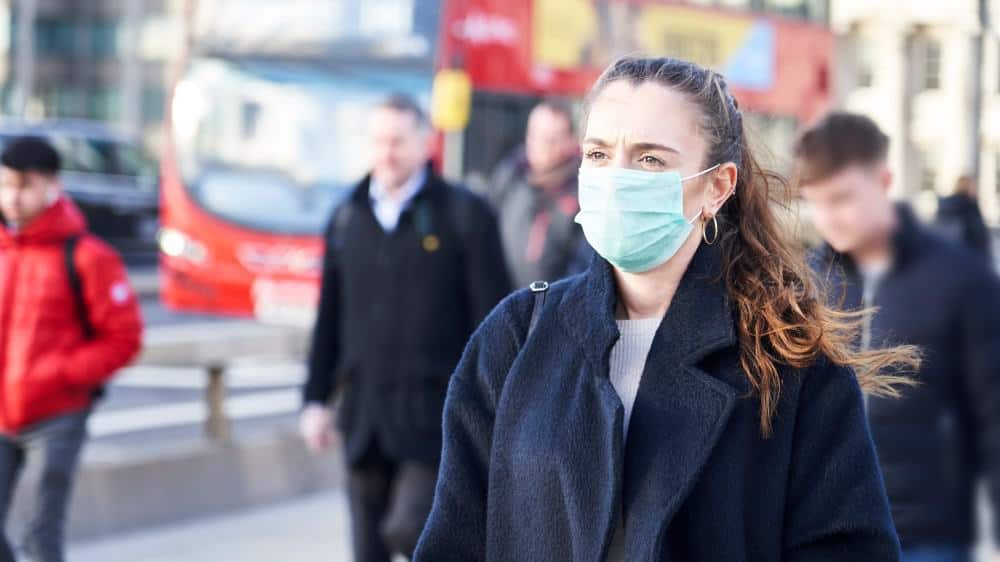
The government has announced a new set of stricter coronavirus restrictions for Christmas. It’s a move that’s likely to dampen the mood of millions of Brits who’ve been counting down the days to the festive break. The new restrictions tighten the rules on household mixing, replacing the original plan to relax limitations over the festive period.
Here’s the lowdown on the new rules and how they might affect this year’s Christmas celebrations.
What are the new Christmas rules?
Under the new rules announced by Boris Johnson, London and parts of south-east England will be under new tier 4 coronavirus restrictions, which are largely similar to a lockdown.
Speaking on 19 December, the prime minister said that the new rules are due to the discovery of a new variant of the coronavirus. The new strain can be passed on significantly more easily, and it could be up to 70% more transmissible.
Here’s the full list of areas going into tier 4 from 20 December:
- Kent
- Buckinghamshire
- Berkshire
- Surrey (excluding Waverley)
- Gosport, Havant, Portsmouth, Rother and Hastings
- The city of London and all 32 London boroughs
- Bedford
- Central Bedfordshire
- Milton Keynes
- Luton
- Peterborough
- Hertfordshire
- Essex (excluding Colchester, Uttlesford and Tendring)
If you’re living in a tier 4 area, the new restrictions are as follows:
- You cannot mix indoors with anyone who is not from your household. This means households will no longer be able to form a Christmas bubble with two other households as originally planned.
- You cannot travel to and from other tiers.
- There is a ban on non-essential travel, but you can travel for education, for childcare, or for work if you cannot work from home.
- You can meet one other person from another household in an outdoor public space.
- All non-essential shops, as well as close contact services such as hairdressers, are closed.
- Gyms and leisure centres are shut.
- Church services can continue during the Christmas period.
- Weddings can only take place in exceptional circumstances, with a limit of six attendees.
Elsewhere in England, Wales and Scotland:
- You can form a Christmas bubble of up to three households, but only on 25 December, rather than over five days as originally planned.
- Aim to stay local and avoid unnecessary travel.
- You cannot host people from tier 4 areas.
How long will the new Christmas rules last?
The new Christmas rules will last for two weeks. The government will review them on December 30. Right now, no one knows what will happen next. But naturally, it will all depend on the impact of the new rules on infection rates of the virus.
How can you protect your finances?
During these uncertain times, having a plan, being careful with your spending and using your resources efficiently will be key to your financial stability.
So, here are a few useful tips you can use to protect your personal finances in the coming weeks and beyond.
- Create a weekly budget and stick to it.
- Use the opportunity to save money – lifestyle changes caused by the new rules, including not going out much, provide an opportunity to save money. Consider putting any amount you are able to save into a savings account and watch it grow over time. For even greater gains on your savings (and if you can withstand a little risk), consider investing in a stocks and shares ISA where any gains made are tax free.
- Find out if you’re entitled to any government financial support – you might be eligible for assistance if you’ve been affected by the coronavirus pandemic.
- Don’t take out any more credit cards unless you are sure you can pay for them – if you already have several outstanding credit card balances, you might be able you consolidate them using a balance transfer card. This will give you time to clear your debt without incurring new interest charges.
- Increase your income by finding side hustles you can do from home.
- Consider selling any forgotten or unwanted items online to bring in some extra cash.