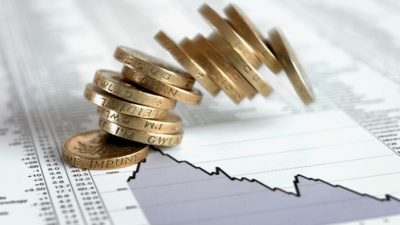
Markets around the world are falling, shares in the banks are touching new lows, many analysts are publishing gloomy economic forecasts and corporate bond yields are surging.
No, it’s not 2008, it’s February 2016, and at first glance, it would appear as if we’re on the verge of another economic crisis and a great recession.
A quick glance at the headlines and you could be forgiven for thinking that history is repeating itself. But if you look further than headlines, it becomes clear that we’re not heading into another financial crisis. 2016 is not the new 2008.
Several key differences
There are several key differences between today’s financial landscape and that of 2008. The first and most obvious example is the financial stability of banks.
Regulators have spent years clamping down on bad lending practices and forcing banks to increase capital buffers. Granted, some bad lending practices, such as self-certified mortgages have just started to re-emerge, but considering the fact that these practices are only just coming back into fashion, it’s unlikely they’ll pose a threat for some time.
Moreover, most large banks now have tier one capital ratios in the low to mid-teens. RBS’s Common Equity Tier 1, for example, is around 15% and according to the Bank of England’s stress tests, would fall to a low but steady 6% in a stressed scenario. In comparison, RBS entered the financial crisis with a core capital ratio of just 4%.
And it’s not just the banks that are in a better position today than they were in 2008. The consumer, and in particular the US consumer, has a stronger balance sheet with more savings and less debt than eight years ago. Back in 2008, the average US consumer saved only 2.5% of after-tax income. Today the average consumer saves double that.
Also, household debt as a percentage of net worth hit 65% during 2009, today that figure has fallen to only 36.5%. The average percentage of percentage after-tax of household income being spent on debt service has dropped to 15% today from 20% in 2009. Overall, the consumer is in a stronger position today than they were when the last crisis hit, and for this reason, consumer spending should remain robust for the foreseeable future, which will continue to drive the economy.
Lastly, economic data is still showing growth across developed economies. However, as economic data is calculated with a lag, this metric could be misleading. So while the figures suggest Western economies are still growing, only time will tell if this is the case. Nonetheless, even if economic growth is slowing, this slowdown is unlikely to result in a 2008 style collapse.
What should investors do?
What should investors do as the market frets about a possible economic slowdown? Well, for a start, investors should stop watching the markets. Unless you’re trading on minute-by-minute movements, looking at the market constantly is hazardous for your wealth.
Secondly, investors should seek out attractively priced shares, which have a proven record of growth and offer some income. By using this approach, and taking a long-term outlook, you’ll save yourself a lot of needless work and worry.