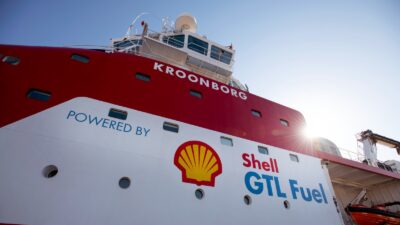
The price of oil is well down from its peak above $100 per barrel and it’s been down for some time. The share prices of oil majors Royal Dutch Shell (LSE: RDSB) and BP (LSE: BP) also languish as reduced cash flow from lower selling prices takes its toll, causing difficulties for the two firms.
Tempting valuations
At first glance, the valuations of these two companies look tempting. City analysts following Shell and BP expect earnings to bounce back during 2017 in both cases. With Shell’s shares at 1,886p and BP’s at 416p, investors can look forward to dividend payouts yielding over 7%, which should be covered around once by those resurgent earnings next year.
One theory is that with the price of oil so low the most likely direction for further price movements is up rather than further down. Any recovery in the price of oil that does materialise will help boost the cash take at Shell and BP and the shares will no doubt respond by rising as well.
As part of a diversified portfolio of shares, maybe now is a good time to lock in the big yields on offer with the oil majors. What could possibly go wrong?
Declining oil demand?
Perhaps one of the biggest uncertainties is the evolving market for oil and oil-based products. There’s potential for a long-term fall in demand for oil as other energy sources disrupt the market. Just as technologies such as solar power, battery storage, wind generation and high-insulation building methods appear to be edging towards critical mass, oil-extraction technologies appear to have driven a glut in oil supply.
Such supply and demand dynamics will always work in a shorter-term cyclical way to keep the price of oil bouncing up and down, but maybe we’re witnessing the start of a longer trend away from the use of oil. If that proves to be the case, the price of oil could drop further.
Back in July, BP said it continues to reduce costs and expects 2016 capital expenditures to come in below the firm’s previous target of $17bn. Investments could drop to as low as $15bn in 2017 if crude prices remain weak, the firm says. Chief executive Bob Dudley reckons the company has no plans to increase capex for the rest of the decade.
Capital preservation
Such an approach suggests BP is focused on capital preservation and cost-cutting, which demonstrates how much the fallen price of oil has affected oil firms, crimping their ability to invest in some cases. In many industries, a downturn leads to depressed asset prices and can provide a good opportunity for firms to expand by buying up other companies and investing in assets when they’re cheaper.
However, supplying oil is a commodity business without price differentiation between producers or the opportunity to add much value to the raw product. As such, the sector is vulnerable to economic cycles. On top of that, Shell and BP are exposed to potential operational shocks, such as BP’s Gulf-of-Mexico oil blowout disaster. Extracting oil can be a dangerous and expensive business.